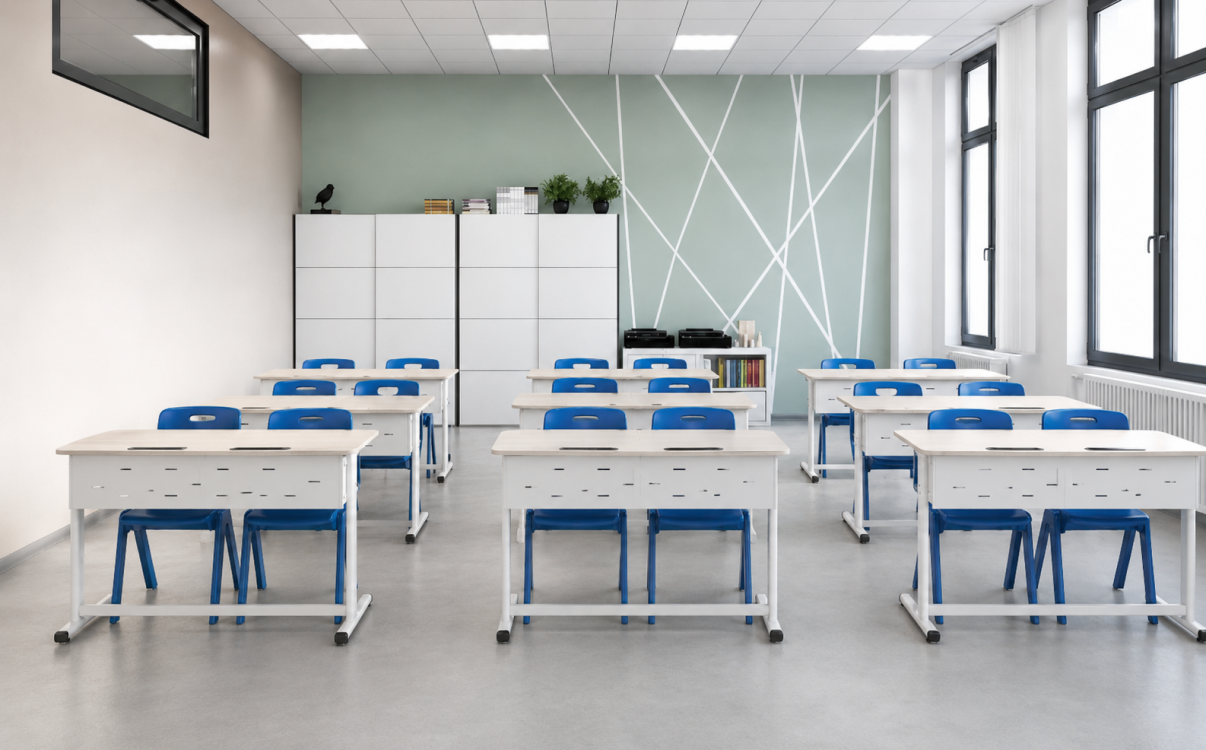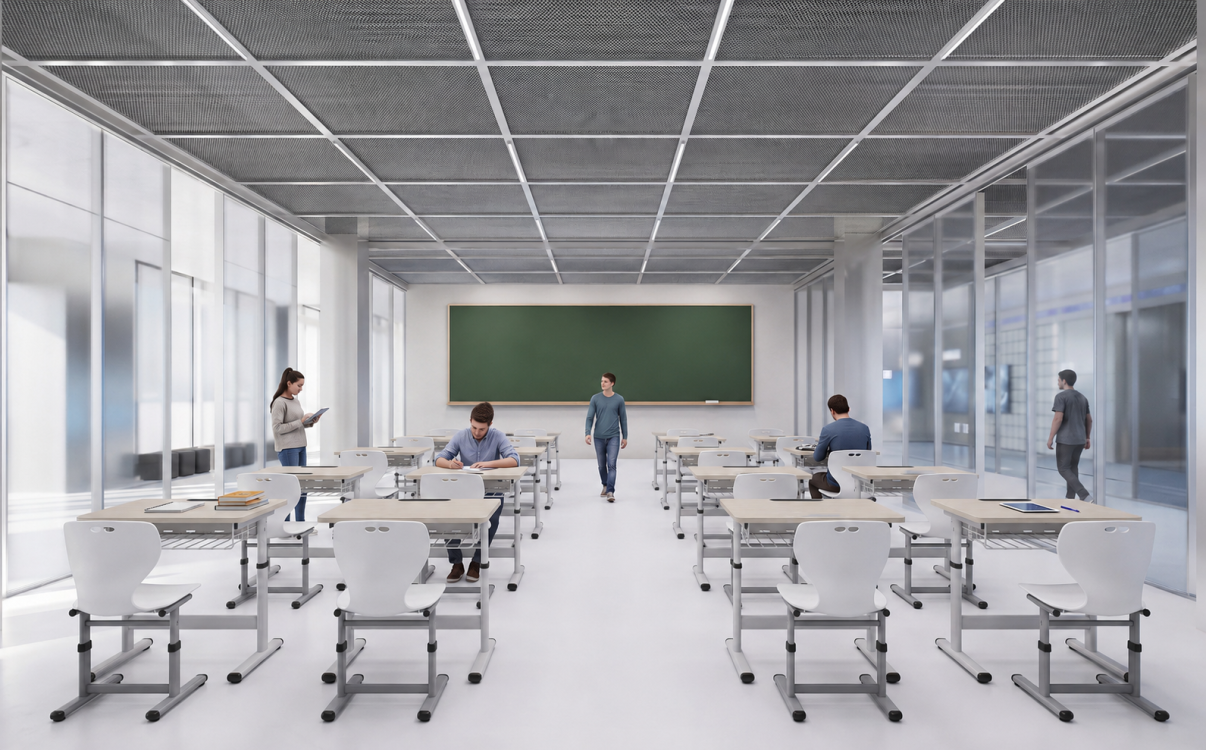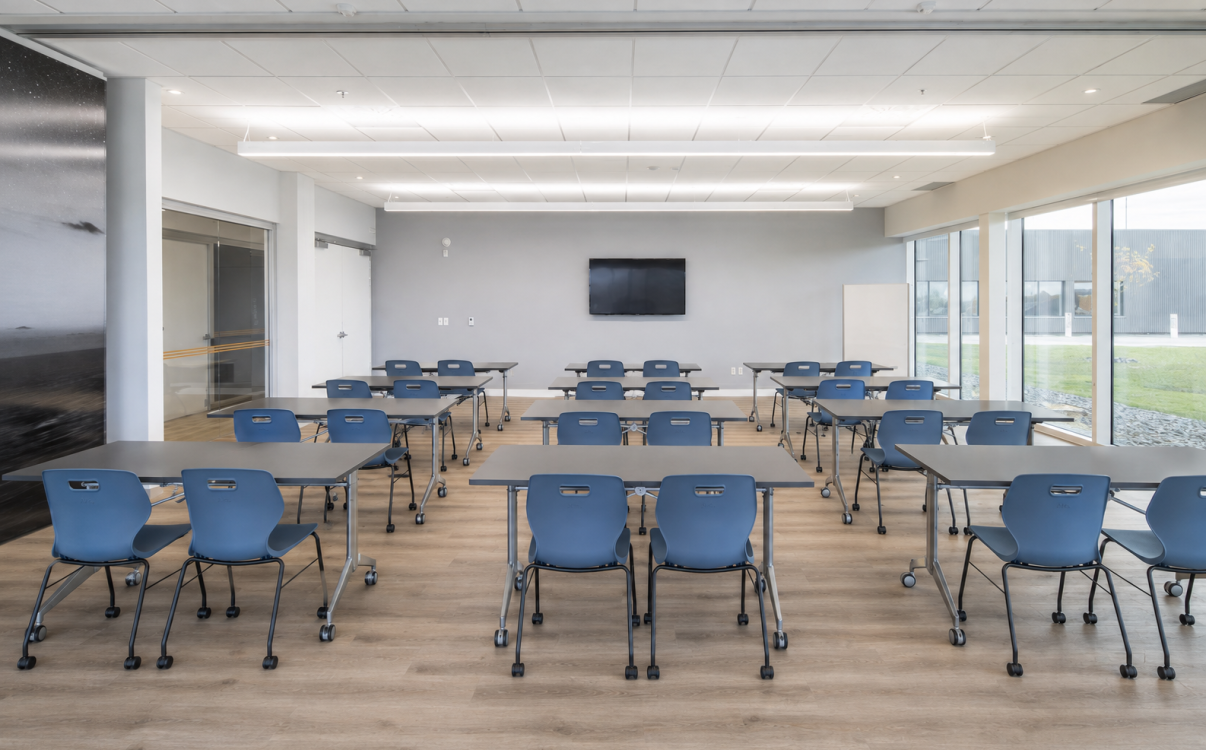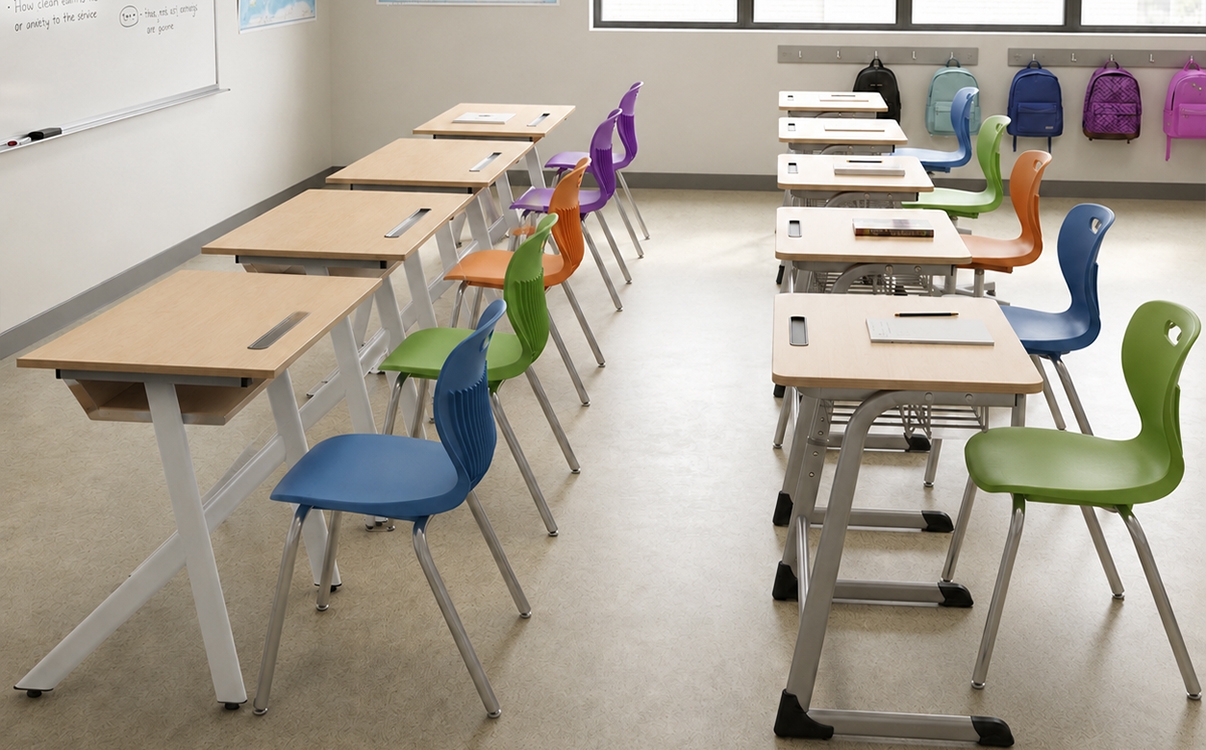
Creating a Modern Conference Setting to Enhance the Academic Experience
As education and research increasingly emphasize interaction, sharing, and creativity, a conference environment is no longer just a room with tables, chairs, and a projector. A modern, properly designed conference space can make a huge difference: it helps specialized classes become more vibrant, scientific conferences more effective, and significantly elevates the academic experience for attendees. When students, lecturers, speakers, or guests enter the conference room, they perceive professionalism not only through the content but immediately through the way the space is constructed, from the seating, lighting, layout, to the supporting technology.
The difference is found in every detail: durable, sophisticated, and internationally compliant
In today's competitive landscape, high-level managers, business owners, principals, and government leaders all understand that the workspace, conference area, and reception space are the 'silent language' reflecting the organization's vision and caliber. An auditorium, conference room, or public space invested in to the correct standard not only serves daily operational needs but also creates an impression of professionalism, credibility, and commitment to quality. In such a space, every detail, from lighting and acoustics to the public seating system, contributes to establishing the brand image. The true difference always begins with seemingly minor details that are nonetheless designed for durability, sophistication, and compliance with rigorous international standards.
RPB Education & Public Auditorium Seating: The Benchmark Design for Educational and Cultural Spaces
As schools, cultural centers, conference halls, and training centers increasingly focus on their image and the attendee experience, auditorium seating is no longer simply a place to sit. It has become a vital part of the strategy to elevate the space, contributing to the expression of the unit's identity, class, and philosophy. RPB Education & Public Auditorium Seating is researched and developed specifically for the education and culture sector, simultaneously meeting three factors: aesthetics, functionality, and long-term operation, suitable for schools, children's centers, cultural centers, as well as corporate and governmental auditoriums,
Premium auditorium space, where aesthetics meets functionality
A professional auditorium is not merely a venue for events, but the 'face' of an entity, an organization, or an educational institution. In that space, every detail—from lighting, sound, and stage to the seating system—contributes to creating a complete experience for the attendees. Among these, auditorium seating plays a core role, providing comfort and utility while showcasing the class, aesthetic taste, and style of the facility.
Each seating row serves as the foundation for successful conferences
In the modern world, where conferences, seminars, and forums play an increasingly central role in the operations of businesses, organizations, and educational institutions, every detail in the auditorium space directly affects the effectiveness of message delivery. Among these, conference seating is not merely a common piece of furniture, but a factor that defines the experience, reception efficiency, and emotions of the attendees.
Transforming seating layouts, transforming the way knowledge is accessed
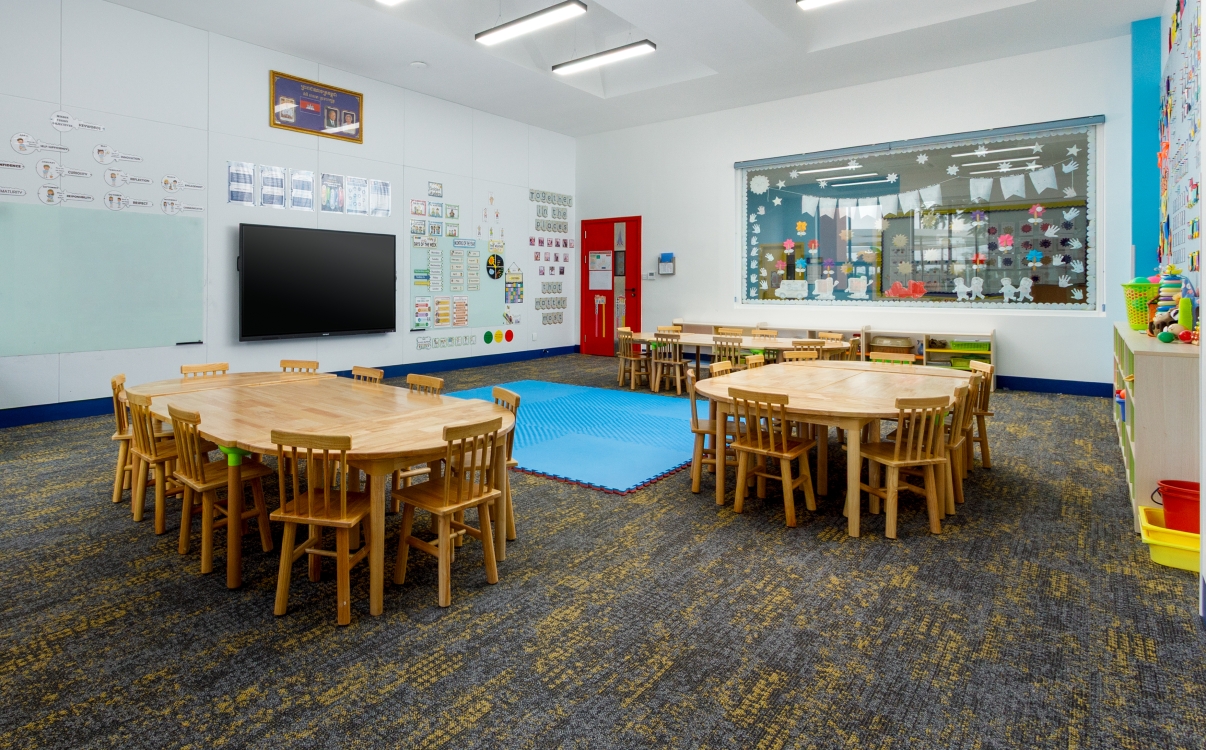
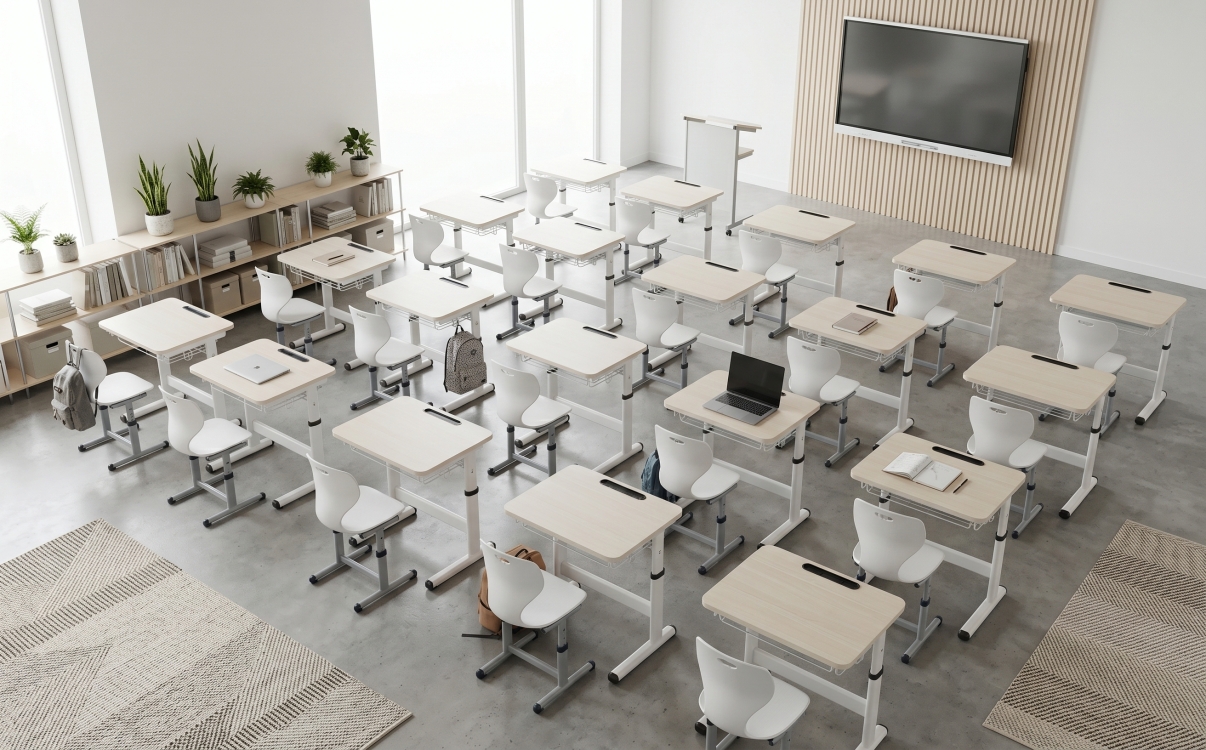
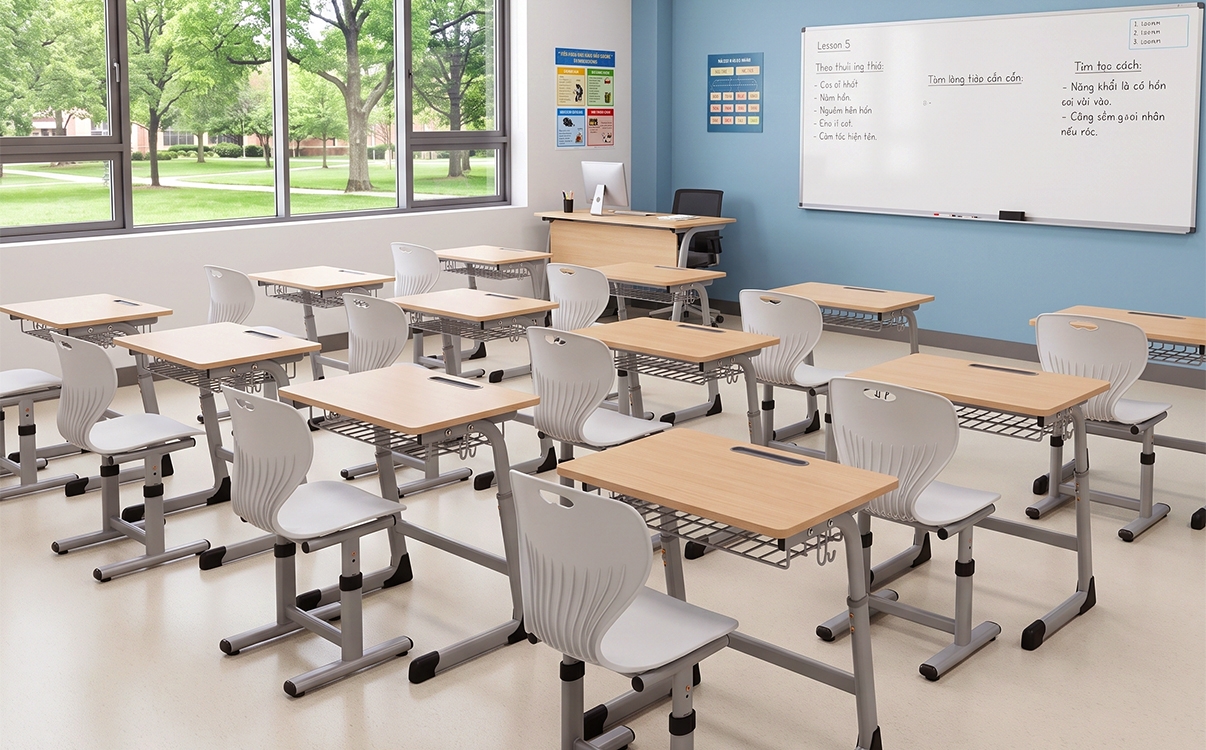
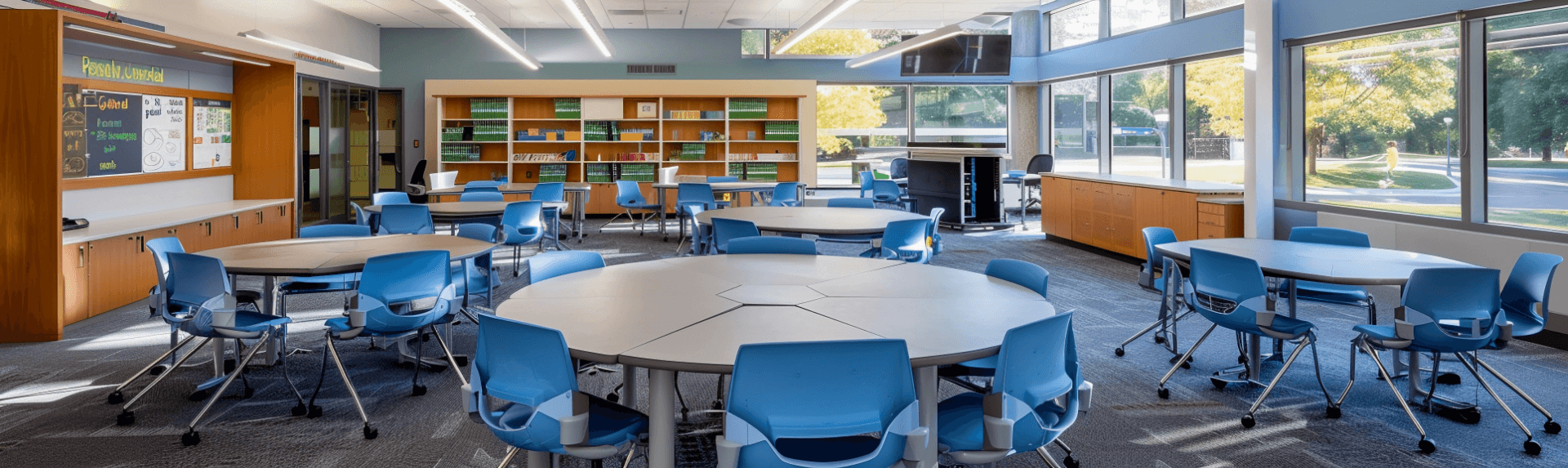
Today, as society changes and 21st-century requirements place greater emphasis on critical thinking, self-learning, and problem-solving skills, the traditional classroom model reveals many limitations. Students have limited opportunities for interaction, find it difficult to engage in group discussions, and their thinking is restricted within a fixed space.
More than just a seat, it is the art of comfort and sophistication
In a movie theater or performance hall, the lights dim, the screen brightens, and layers of sound begin to spread. Viewers are instantly drawn into the story unfolding before them. But few realize that emotions are not only created by images or sound but are shaped by the very cinema seat they are sitting on. A good seat creates a feeling of relaxation, supports the body, and maintains a comfortable posture for many hours. Conversely, a chair that is stiff, shaky, or causes fatigue will interrupt the cinematic experience.
Active Learning Environments Foster a Generation That Dares to Innovate and Execute
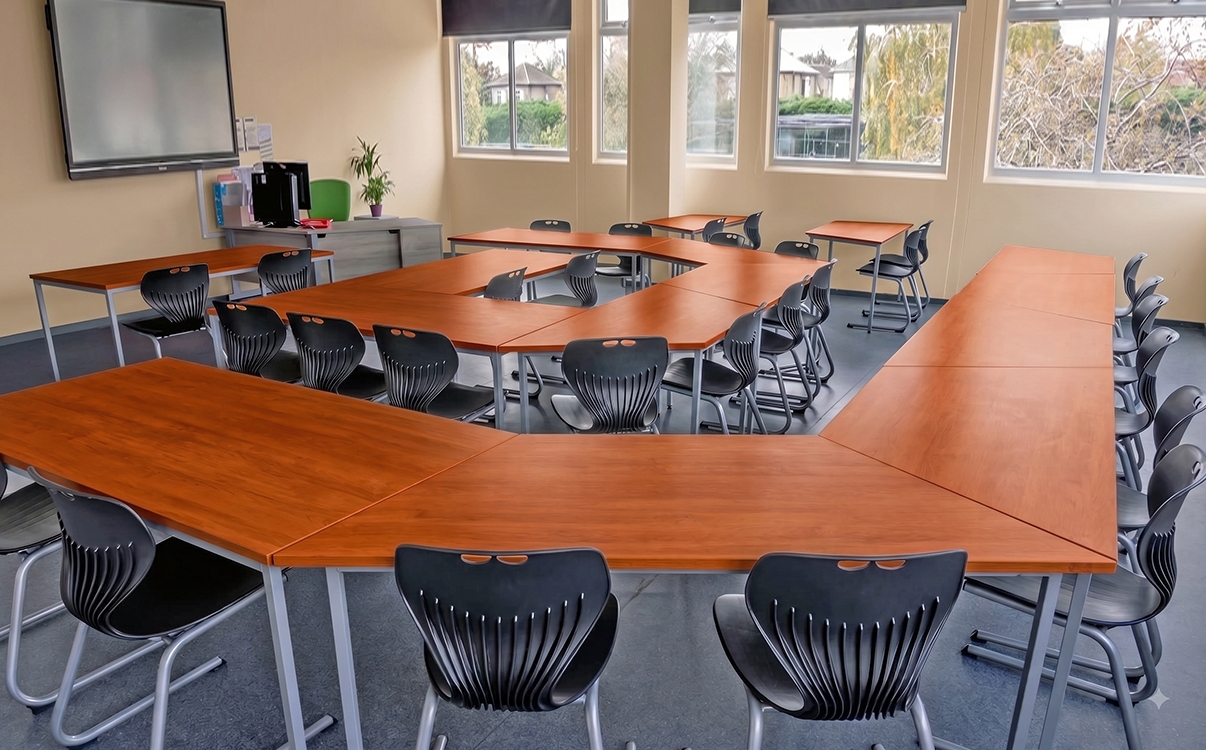
Leading schools worldwide have transitioned from a passive learning model to an active learning model (Active Learning). This represents more than just a new teaching approach; it is a complete change in mindset where students participate in the learning process instead of merely receiving one-way instruction. While traditional classrooms focus on listening and note-taking, Active Learning stresses experience and interaction.
RPB Cinema Seating Collection, where every moment in the theater becomes unforgettable
In a movie theater, every sense is guided by light, sound, and the cinematic space. Yet the first thing that truly shapes the viewer’s emotions is not the size of the screen or the sound effects, but the seat they sit in for two straight hours. A comfortable chair allows the audience to be fully immersed in the story. In contrast, a chair that is hard, uneven, or lacks proper support distracts them, forces them to constantly change position, and breaks their concentration.