


5+ modern and beautiful study desk models to help organize your learning space
In any learning space, the study desk model is always an important factor directly affecting comfort, concentration ability, and the effectiveness of knowledge absorption. A suitable study desk not only helps optimize space but also contributes to creating a tidy, scientific learning environment that inspires every day.
Currently, schools, training centers, libraries, and self-study areas are all leaning towards selecting study desk models that are modern, durable, and more flexible in layout. Depending on the educational level, purpose of use, and classroom model, study desks will have different designs, sizes, and functions. The article below will help you explore popular study desk lines, as well as important criteria for choosing suitable study desks for school projects.
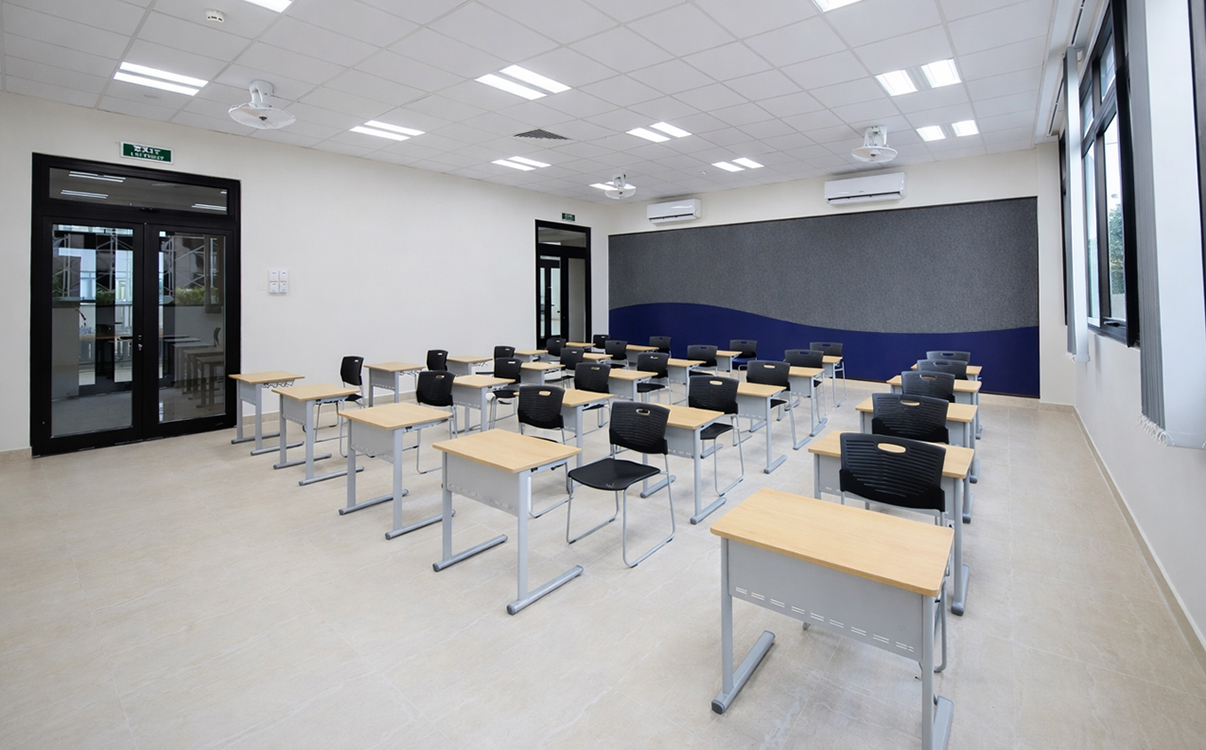
The role of study desks in educational space design
Study desks are a core furniture item in every educational project
Study desks are one of the most important furniture items in every educational project, from preschool, elementary, middle school, high school to university lecture halls, libraries, and self-study areas. If the whiteboard is the center of teaching activities, then the study desk is where most of the knowledge absorption process takes place for learners. This is not only a place to put books, documents, learning devices, or laptops but also a factor directly affecting sitting posture, concentration ability, interaction level, and the overall perception of the learning environment.
Study desks directly affect learners' posture and health
A well-designed study desk model helps learners maintain a correct sitting posture for long periods. Desk height, desktop width, legroom, and seating arrangement all affect the daily usage experience. When the study desk fits the physique and age, students feel more comfortable, reducing hunched backs, uneven shoulders, or incorrect arm resting postures.
This is especially important in the context where students have to sit and study continuously for many hours each day. In the long run, a standard study desk can help reduce issues such as neck strain, back pain, spinal curvature, and decreased concentration ability.
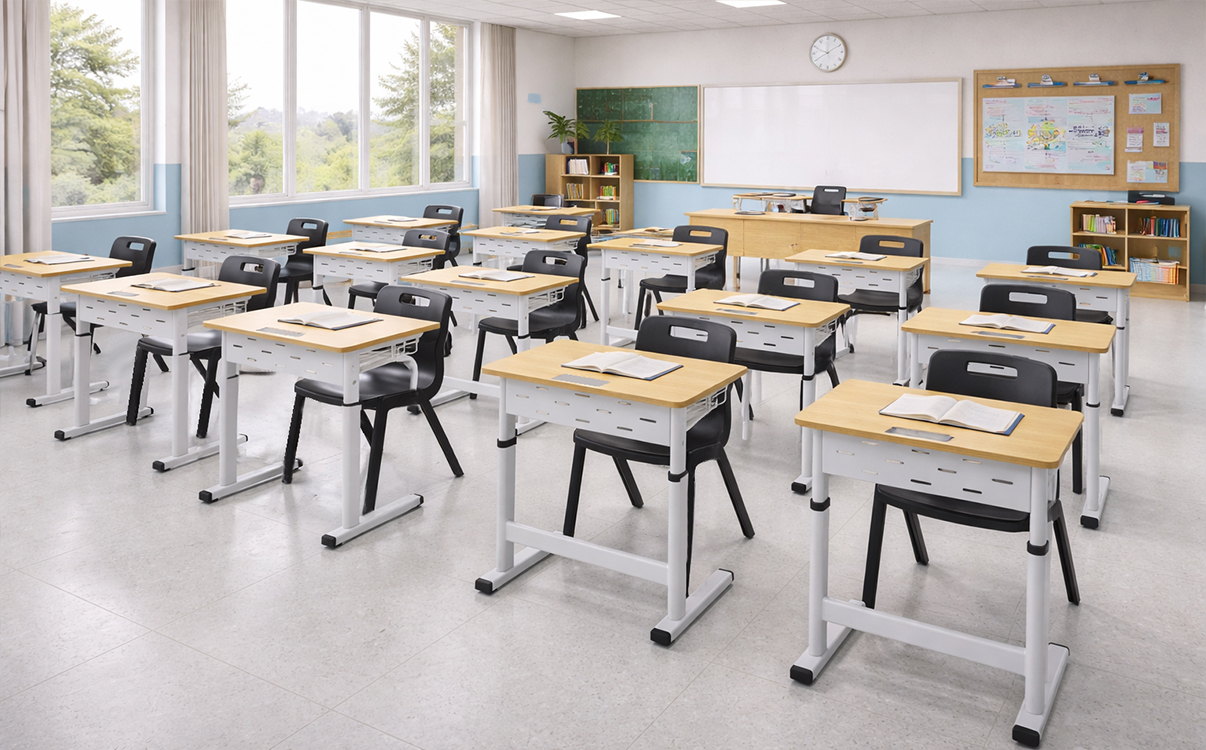
Study desks determine the flexibility of the classroom space
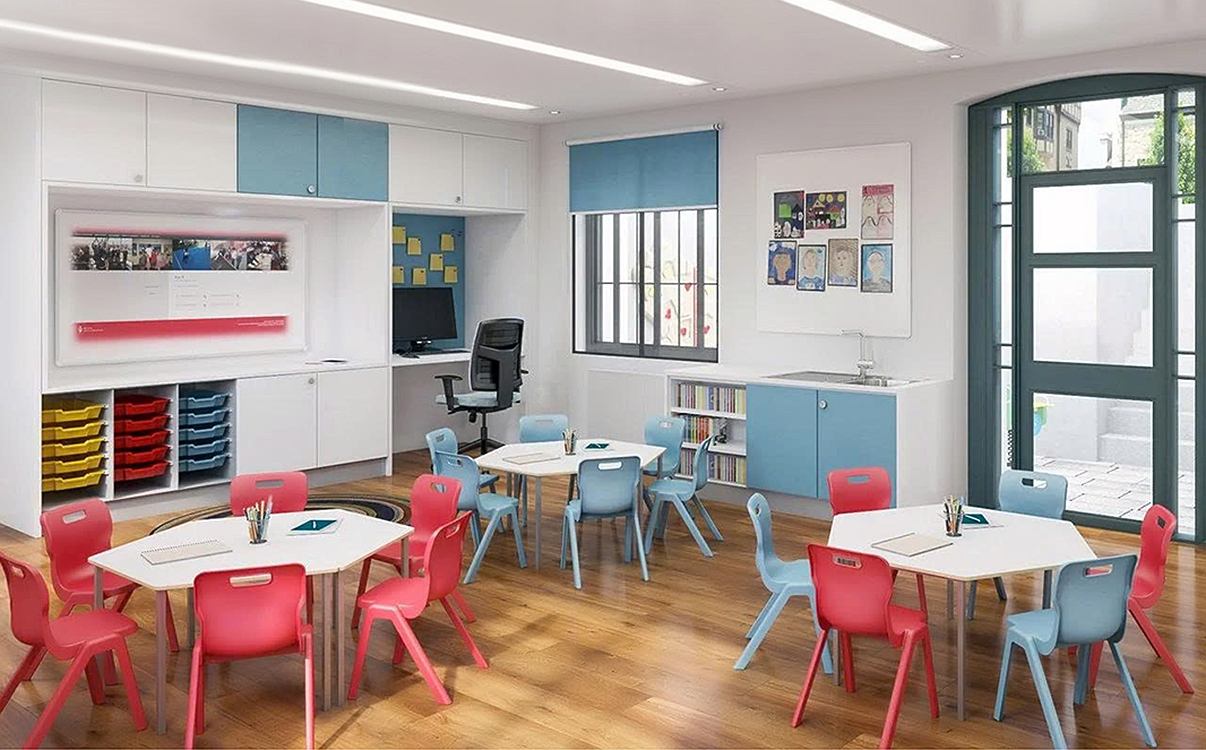
From an operational perspective, study desks greatly influence how classroom space is organized. In modern educational furniture design, space is no longer just for one-way teaching and learning. Many schools today are moving towards more flexible models such as group work, discussions, project presentations, station-based learning, or technology-integrated classrooms.
Therefore, choosing the right study desk model helps schools easily arrange the space according to each usage goal. For traditional classrooms, double desks or desks attached to chairs help create a tidy layout and optimize the number of seats. For modern classrooms, single desks or modular desks make it easy to change the layout quickly, increase interaction, and support various teaching methods.
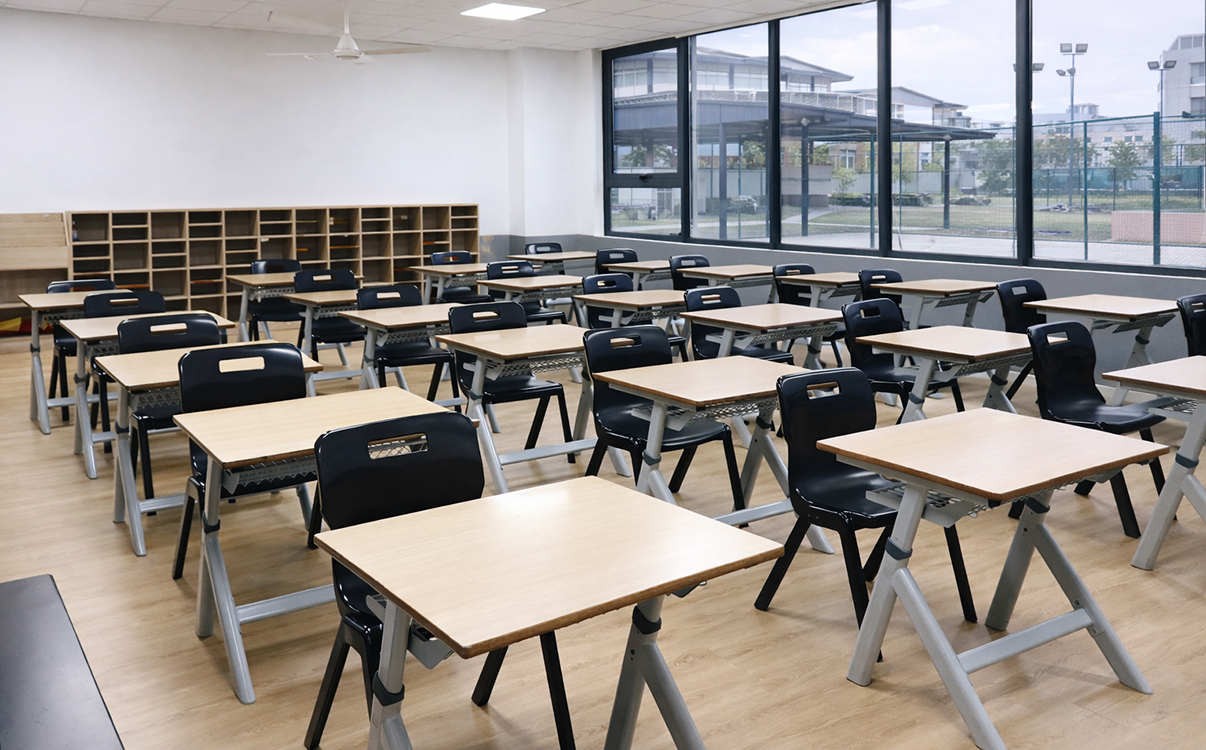
Study desks help shape the aesthetics of the educational environment
Not only affecting functionality, study desks also contribute to the aesthetic appearance of the educational space. A classroom arranged with synchronized desks and chairs, harmonious colors, and modern designs will bring a professional, tidy, and friendlier feel.
Conversely, if study desks are bulky, inconsistent, or unsuitable for the overall design, the space becomes cluttered, cramped, and reduces learning inspiration. Therefore, in today's school projects, study desks are no longer seen as individual pieces of furniture but as an important part of the strategy to build a quality educational environment.
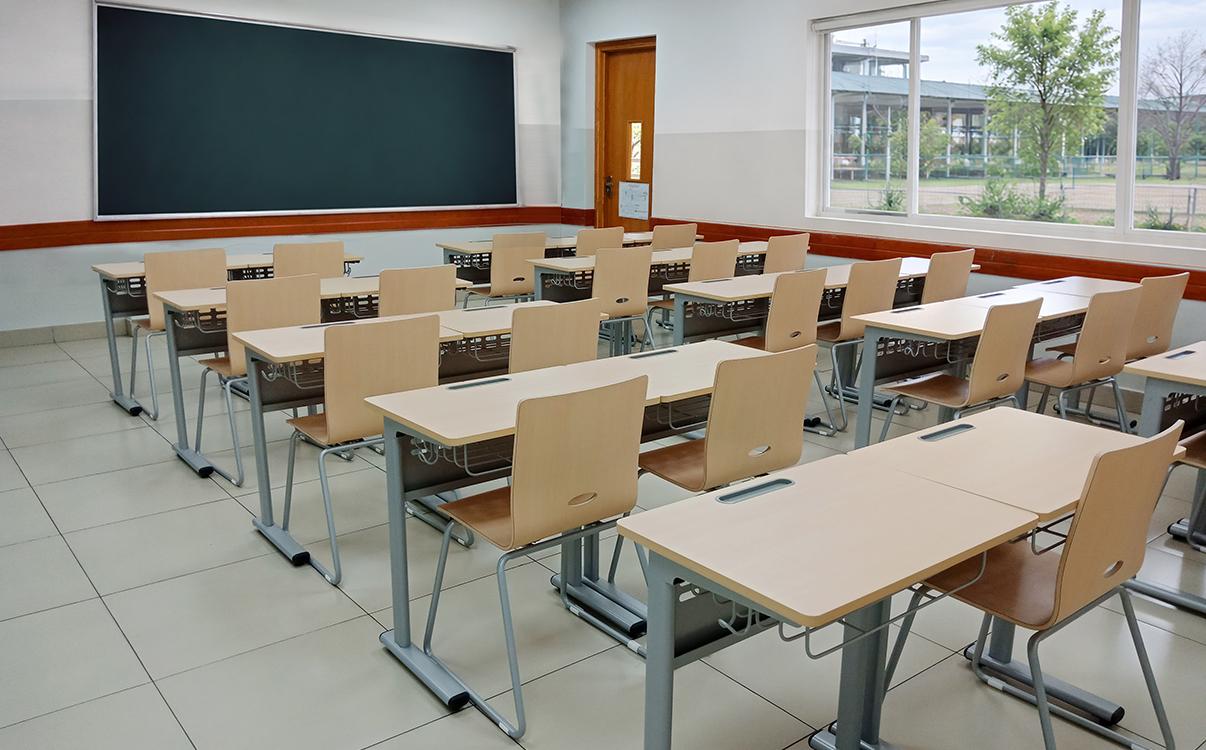
Study desks support clearer functional area division
Study desks also play a role in dividing functional areas and guiding space usage behavior. For example, in libraries and self-study areas, study desk models with minimalist designs, wide desktops, and reasonable spacing create a quiet, private, and focused feeling.
In creative classrooms or STEM spaces, flexible modular desks encourage students to move, exchange ideas, and work in groups more effectively. Thus, merely choosing the type of study desk can influence how learners interact with the space and with each other.
Study desks impact long-term investment and operational efficiency
In terms of investment, study desks are directly related to the long-term usage efficiency of the educational project. A product with a suitable design, durable materials, and easy maintenance helps the school save significantly on repair and replacement costs during operation.
At the same time, when study desks meet both functional and aesthetic standards well, the learning space will always remain neat, professional, and aligned with the school's long-term development direction.
Study desks are part of a strategy to build a quality learning space
In summary, study desks are not merely places to sit and study but are important components determining the quality of the educational space. From supporting sitting posture, enhancing learning experience, optimizing classroom layout, to perfecting the overall aesthetics, a suitable study desk model contributes to creating a modern, safe, and more inspiring learning environment for learners at all levels.
Popular study desk models in schools today
Currently, the market has many study desk models specifically designed for the educational environment, meeting diverse needs from individual study, group study, to flexible classroom models. Choosing the right type of desk not only helps optimize space but also directly affects the learning experience, classroom organization ability, and the school's operational efficiency. Depending on the educational level, class size, teaching methods, and investment budget, each study desk line has its own advantages suitable for different spaces.
Below are popular study desk models widely applied in schools today.
Single student desk
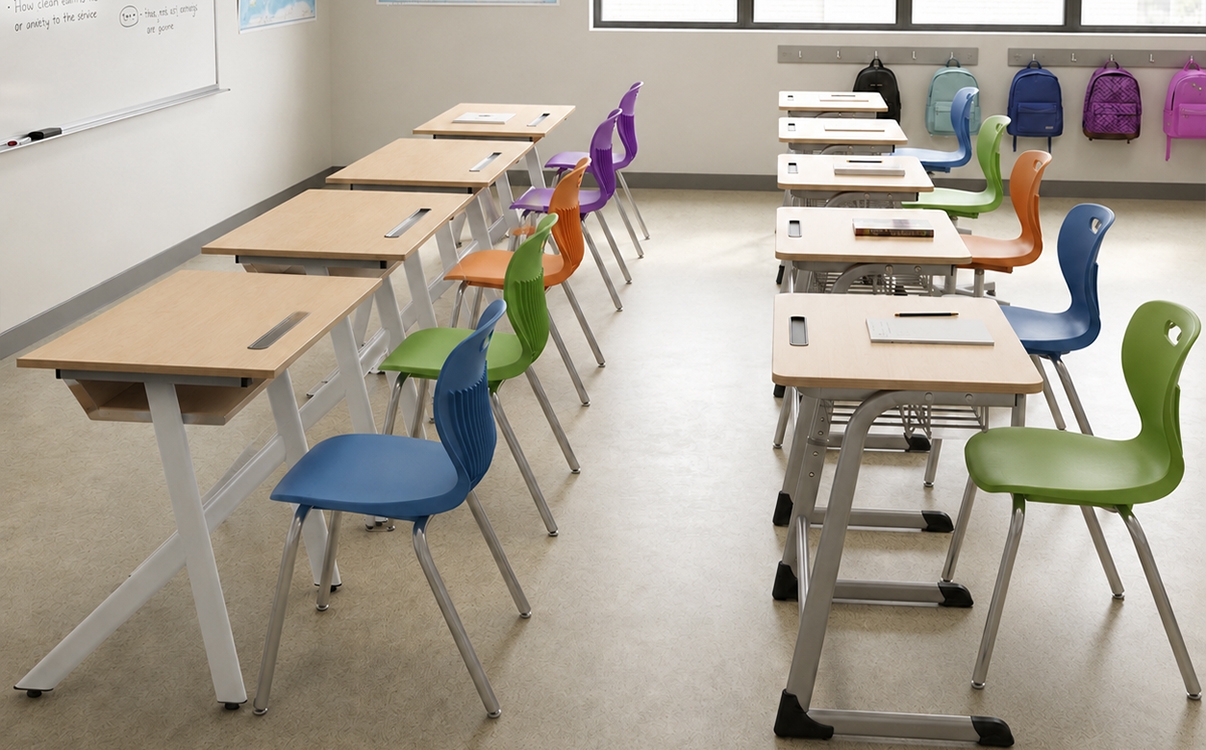
Single student desk is a type of desk designed for one user, often appearing in modern classrooms, standard study rooms, self-study areas, or spaces that emphasize individual concentration. This is one of the study desk models chosen by many schools due to its high flexibility in layout and adaptability to various classroom areas.
The biggest advantage of the single student desk is creating an individual learning space for each student. Each student has an independent area for books, learning tools, computers, or personal documents, thereby limiting crowding or mutual influence during study. This is especially suitable for classrooms applying learner-centered teaching methods, where students need more space for note-taking, practice, and individual exercises.
Additionally, single desks help teachers manage the class more easily. When needing to change seating arrangements, form discussion groups, or organize the class into clusters, single desks can be moved and rearranged quickly. This is a major advantage over fixed desks, especially as many schools transition to more flexible teaching models.
In terms of design, single desk models often have neat, modern shapes, easily combinable with various types of chairs. Some models also integrate book compartments, bag hooks, or swivel wheels, increasing convenience during use. However, to ensure long-term effectiveness, schools need to choose desks with sizes suitable for student ages and materials durable enough to withstand daily usage intensity.
Double student desk
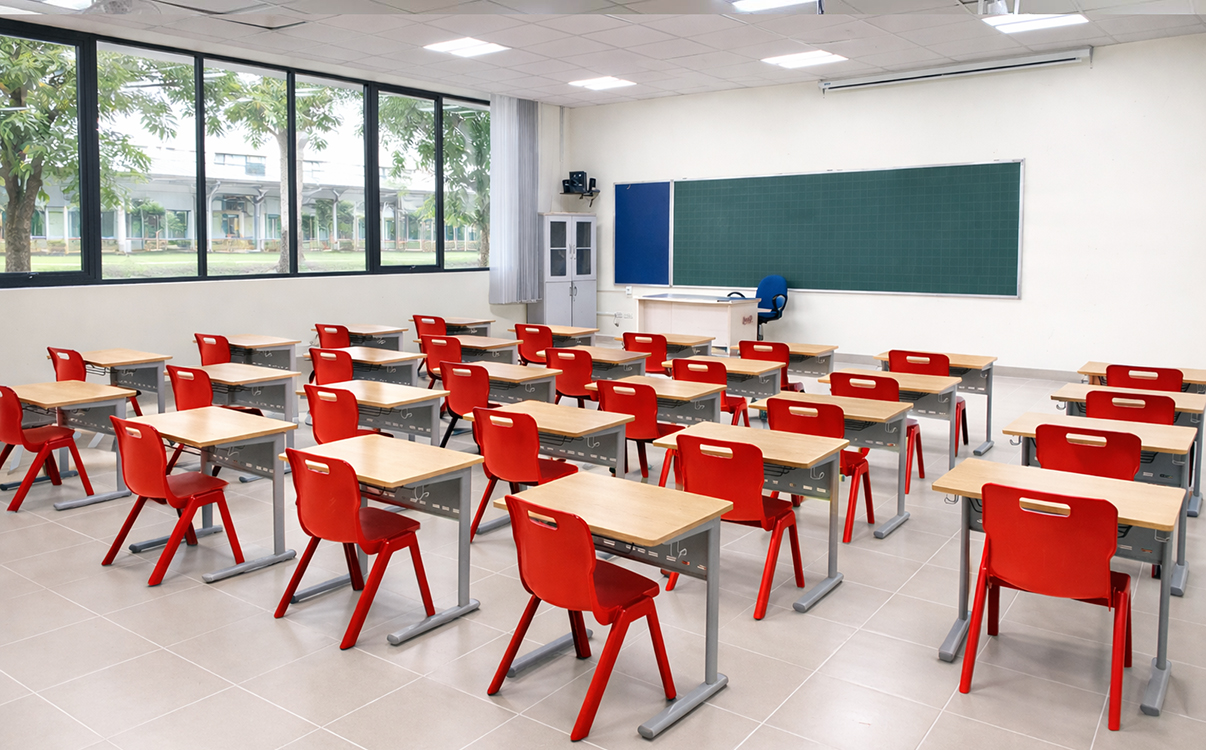
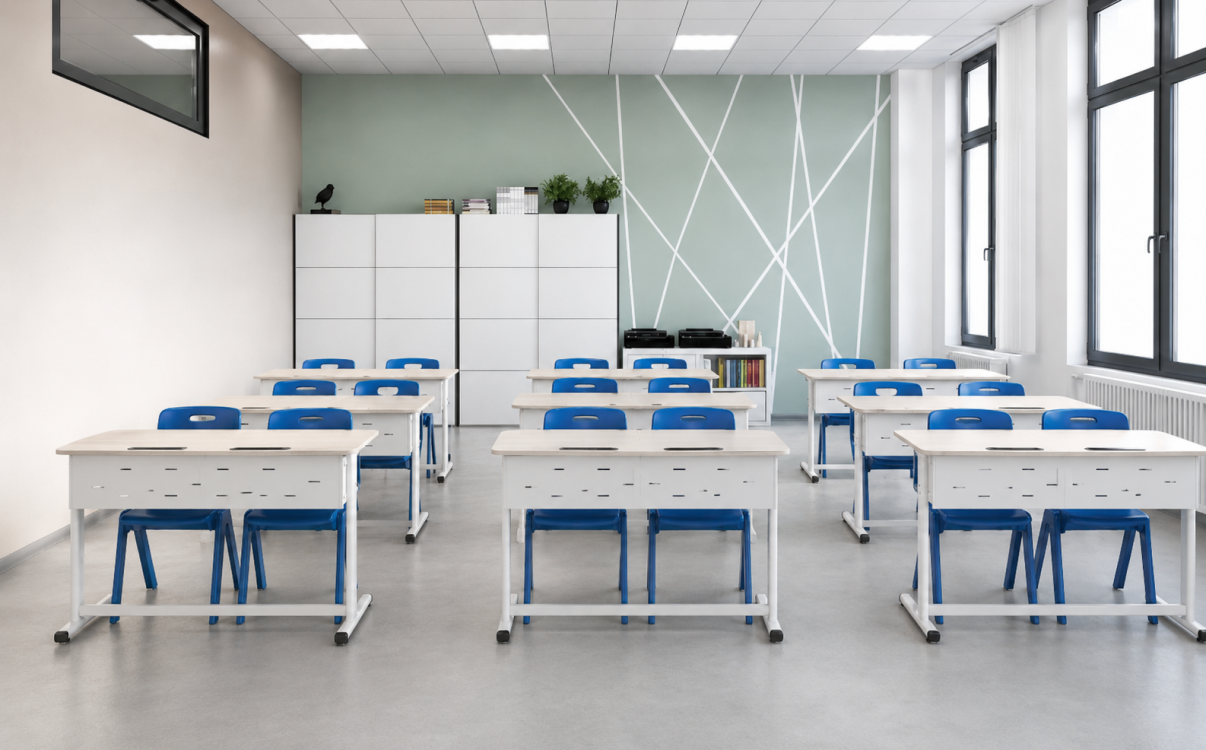
Double student desk is a desk line for two people, commonly used in traditional classrooms in many public and private schools. This is a familiar study desk model thanks to its ability to optimize space effectively while helping to reduce initial investment costs when furnishing a large number of classrooms.
This type of desk usually has a long desktop, sturdy frame, and is easy to arrange in rows. For crowded classrooms, double desks are a suitable solution to reasonably utilize room space while ensuring enough seating for students. Compared to single desks, double desks help reduce the number of products needing investment, thereby saving on purchasing, installation, and maintenance costs.
Besides economic factors, double desks also create conditions for students to exchange and support each other during study, especially at lower grade levels when children tend to learn better with a partner. In some cases, sitting in pairs also helps build interaction and bonding within the classroom.
However, for this study desk model to be effective, size factors need careful calculation. If the desktop is too narrow or the seating distance is unreasonable, students will feel cramped, affecting sitting posture and concentration. Therefore, when choosing double desks, schools need to pay attention to desktop length, usage depth, legroom, and the balance between the desk and accompanying chairs. A standard double desk design not only saves space but also ensures comfort for both users during long study periods.
Height-adjustable desk
Height-adjustable desk is a modern study desk line designed with height adjustability to suit the physique and usage needs of learners at different ages. This is a study desk model increasingly considered in high-quality school projects, modern training centers, and educational spaces that emphasize ergonomics.
The most outstanding feature of the height-adjustable desk is its customizability according to the user's body shape. In the school environment, students at each age have different physical development rates, so a fixed desk may no longer be suitable after a period of use. Height-adjustable desks solve this problem by allowing the desktop height to be adjusted, helping learners maintain a standard sitting posture, reducing hunched backs, strained shoulders, or incorrect arm positions.
This is a significant advantage regarding student health. A study desk model with reasonable adjustability will help reduce pressure on the neck, shoulders, back, and spine, especially for students who have to sit for many consecutive hours. For schools wanting a long-term investment, height-adjustable desks also offer more sustainable usage efficiency as they can adapt to multiple stages of learner development.
Besides ergonomic factors, height-adjustable desks also have aesthetic value and reflect the school's modern investment direction. The design of this desk type is often minimalist, streamlined, and practical, suitable for advanced learning spaces. However, the investment cost for height-adjustable desks is usually higher than traditional desks, so careful consideration of budget, usage frequency, and long-term project goals is needed.
Desk with attached chair
Desk with attached chair is a desk type where the desktop and chair are fixedly connected within the same frame. This is a very popular study desk model in traditional classrooms, lecture halls, training rooms, or areas with stable seating arrangements for long periods.
The easily noticeable advantage of the desk with attached chair is its high consistency. Since the desk and chair are attached, the product is always sturdy, less prone to shifting or misalignment during use. This helps the classroom remain tidy, with clear rows, and creates a more professional visual impression. For spaces with many students, this is an effective solution to control layout and limit furniture movement that could cause disorder.
Additionally, study desk models with attached chairs often have quite high durability due to the uniform frame structure. This desk type is suitable for high-intensity usage environments such as public schools, training centers, or university lecture halls. Schools also find it easier to manage quantity, maintain, and clean compared to using separate desks and chairs.
However, desks with attached chairs are generally less flexible in changing classroom layouts. If group activities, cluster discussions, or multi-purpose space arrangements are needed, moving this desk type is more difficult. Therefore, this product is most suitable for fixed classroom models, leaning towards traditional teaching, or classrooms with stable row-by-row arrangements.
Flexible modular desk
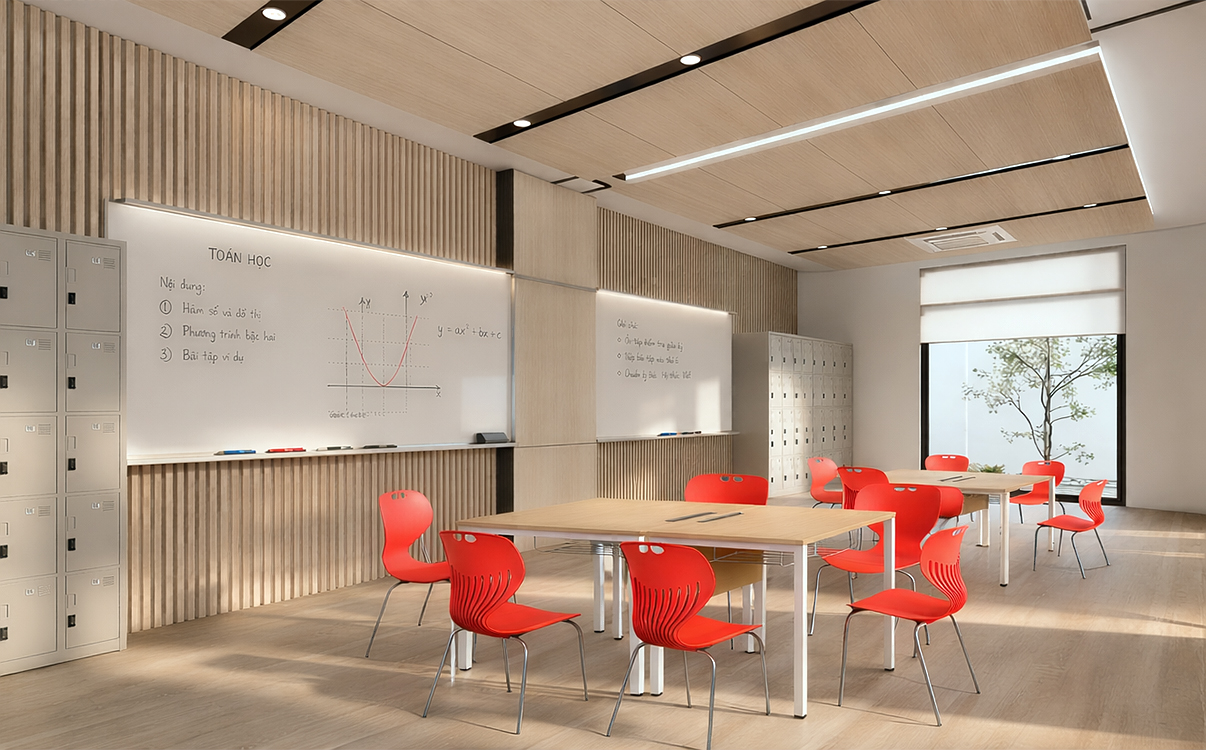
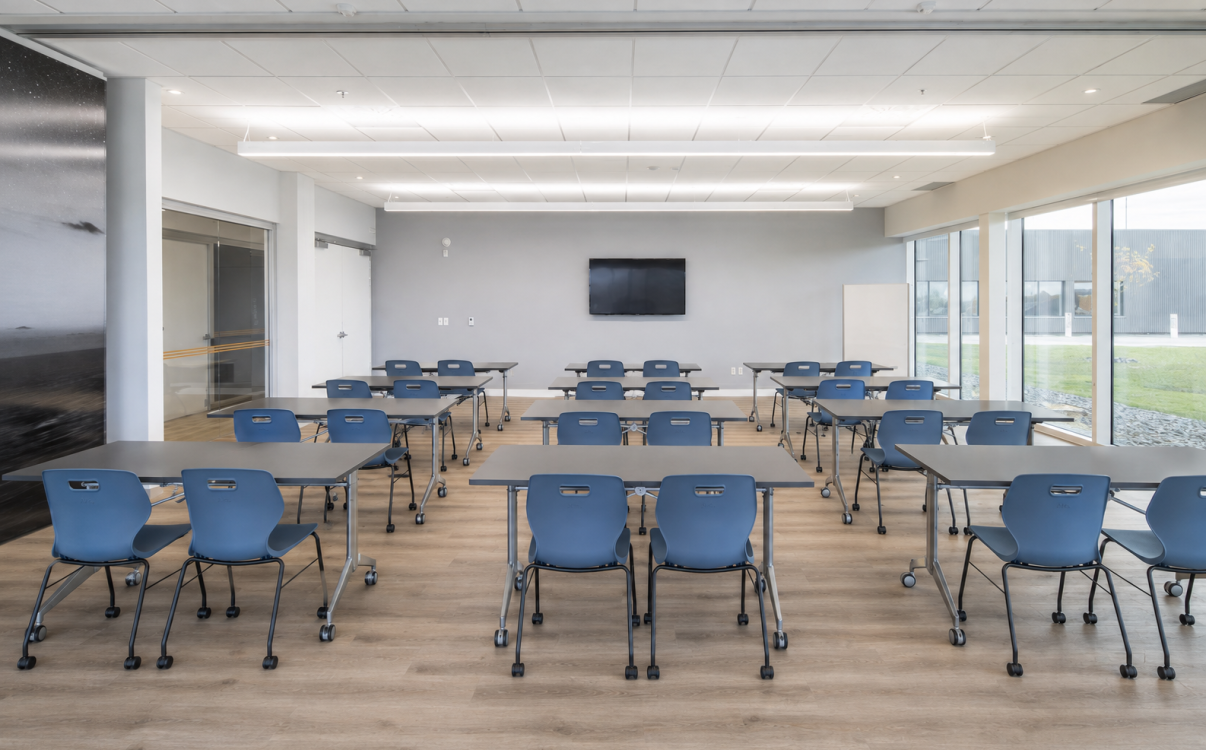
Flexible modular desk is a prominent trend in modern educational furniture design. This is a study desk model composed of individual desk units that can be connected or separated in various configurations, depending on the classroom's usage goals.
This desk type is especially suitable for new educational models where learning space is no longer limited to fixed layouts. With STEM classrooms, creative study rooms, skills training areas, project-based classrooms, or multi-functional spaces, modular desks help teachers easily change layouts from individual study to group work, from open discussion to presentations or practice in a short time.
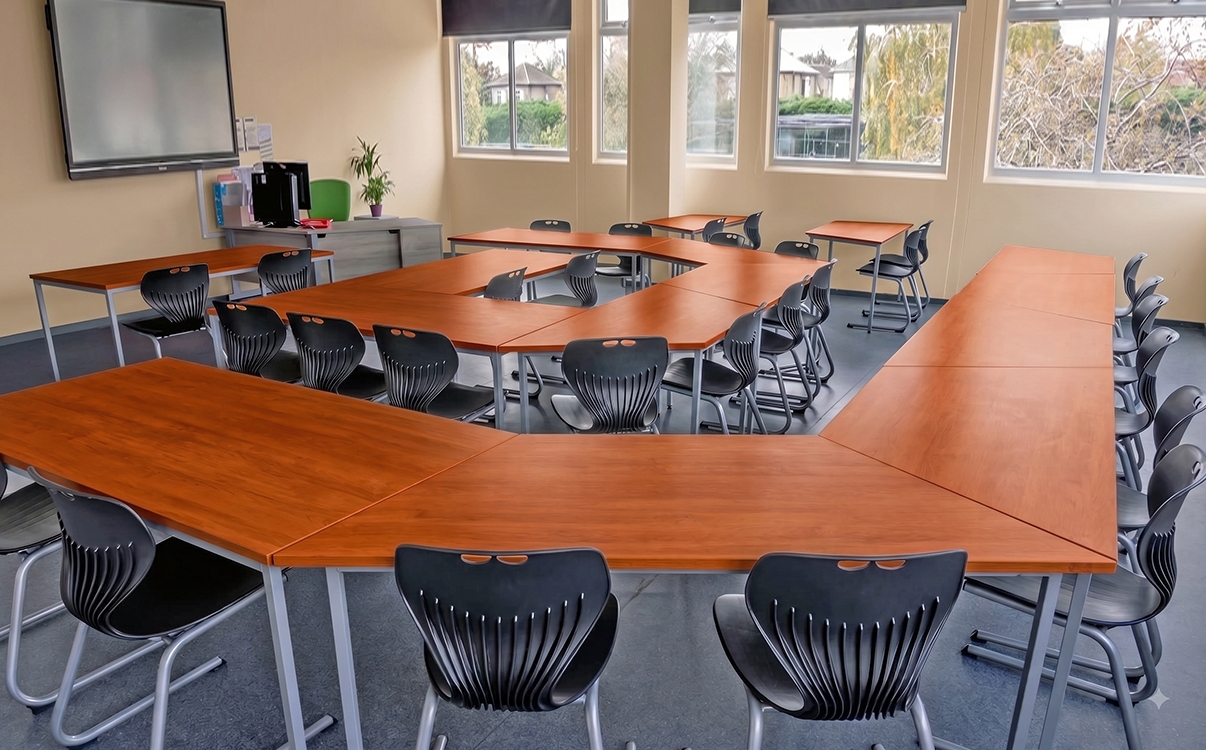
The biggest strength of the modular study desk model is its flexibility. Schools can arrange desks in U-shapes, circular clusters, straight rows, or many other forms depending on the lesson content. This greatly supports modern teaching methods, encouraging interaction, collaboration, and soft skills development for students. Compared to fixed desk types, modular desks offer a more dynamic experience and suit the trend of open classroom design.
Furthermore, many modular desk models today also focus on aesthetics with modern designs, youthful colors, and durable materials. Some designs also have locking casters, making movement easy while ensuring stability during use. However, to maximize the effectiveness of this desk line, schools need a comprehensive design plan, from classroom area and storage systems to lesson organization methods.
See more: Standard study desk dimensions for elementary, middle, and high school students -- Detailed guide
Study desk models by educational level
Each educational level has its own characteristics regarding physique, concentration ability, usage habits, and learning methods. Therefore, choosing a study desk model cannot follow a single standard for all users. A suitable design needs to simultaneously meet many factors such as age-appropriate size, safety, support for correct sitting posture, durability, and compatibility with the teaching model of each educational level. When chosen correctly, study desks not only enhance the usage experience but also contribute to building a scientific, friendly, and more effective learning environment.
Below are study desk models suitable for each educational level, from preschool to university, libraries, and self-study areas.
Study desks for preschool
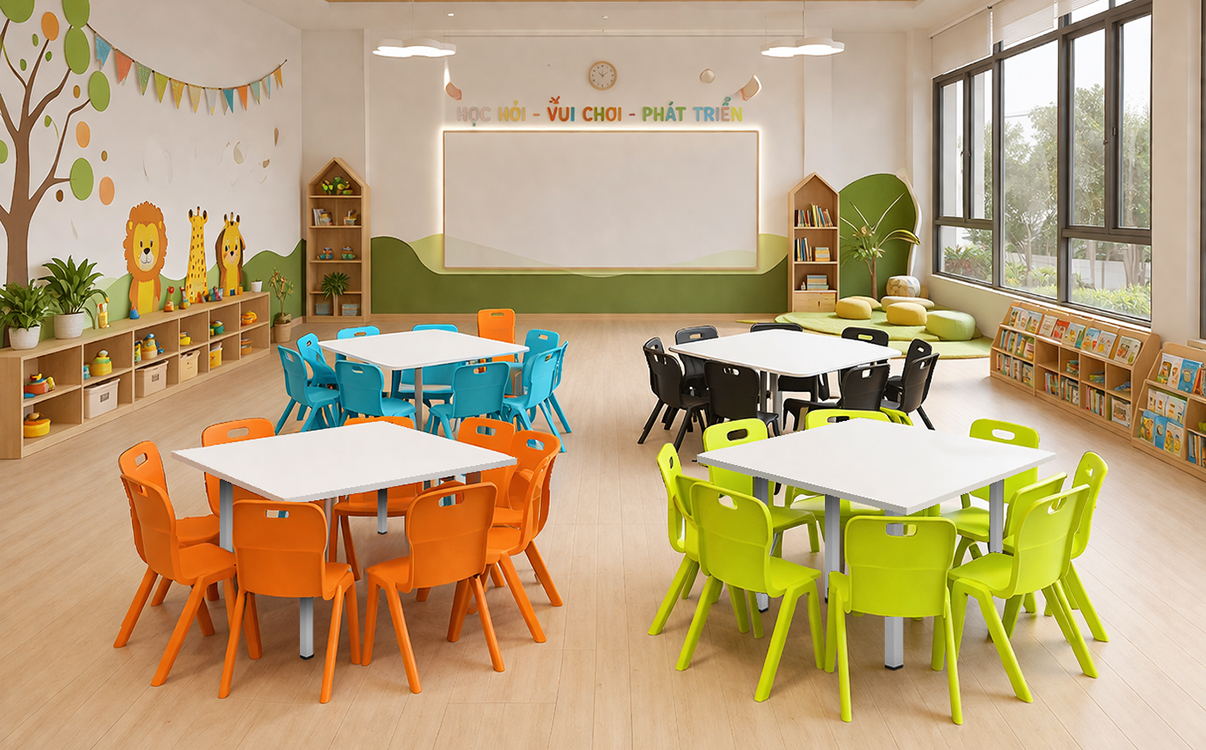
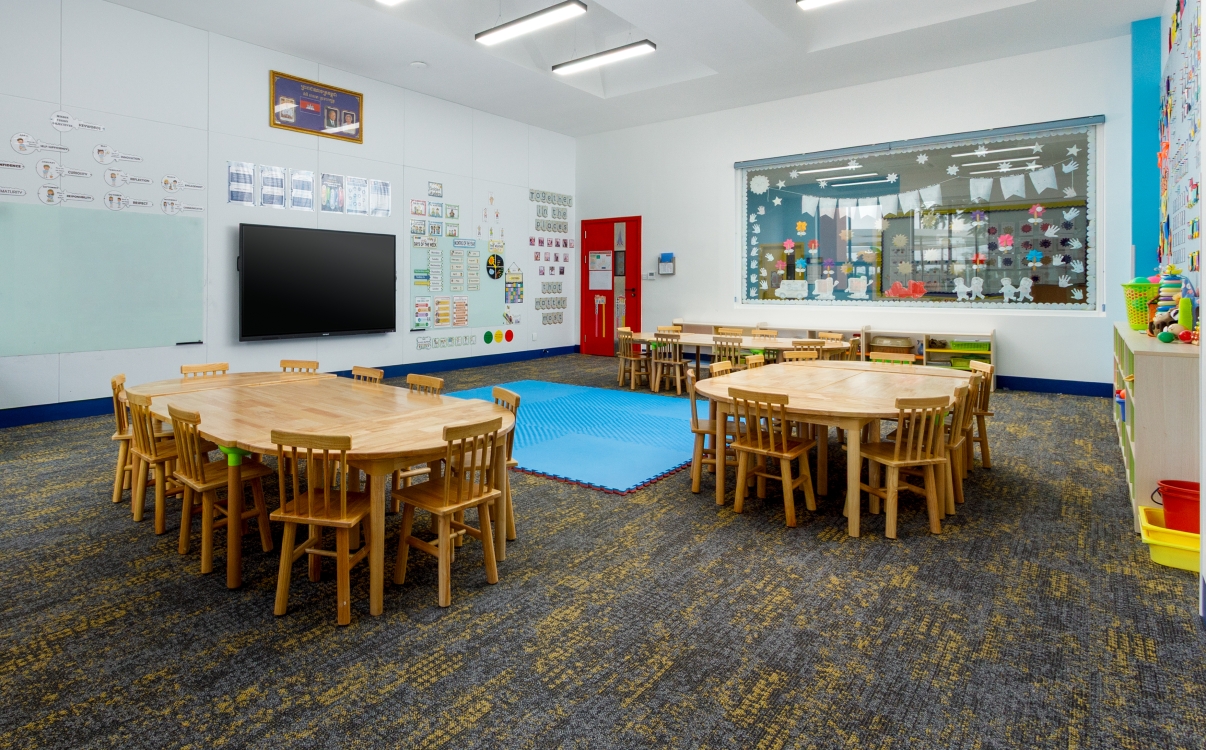
At the preschool level, study desks are not only for children to sit and learn but also spaces for drawing, coloring, playing games, doing crafts, and participating in group interactive activities. Therefore, study desk models for this age need to be designed to be friendly, safe, and engaging for children.
The most important feature of preschool study desks is their low height, appropriate for young children's stature. When sitting at the desk, children need a comfortable posture, feet touching the floor or having a suitable footrest, and hands resting naturally on the desktop without reaching high or bending over. This is a crucial factor for forming correct sitting habits early on.
Additionally, study desk models for preschool should have soft, rounded corners to minimize collisions as children move, play, or participate in group activities. The desk material needs to be safe, with a smooth surface, free from sharp details or easy peeling. Since young children frequently come into direct contact with the desk with their hands, crayons, snacks, or toys, the product should also be easy to clean, stain-resistant, and durable for continuous activity environments.
Aesthetically, preschool study desks often prioritize bright colors, lively shapes, and approachable designs. A beautiful, cheerful desk helps children feel more interested in participating in class activities. Furthermore, many preschools today prefer lightweight, easily movable desk models so teachers can conveniently change classroom layouts for different activities such as group learning, creative play, or common gatherings.
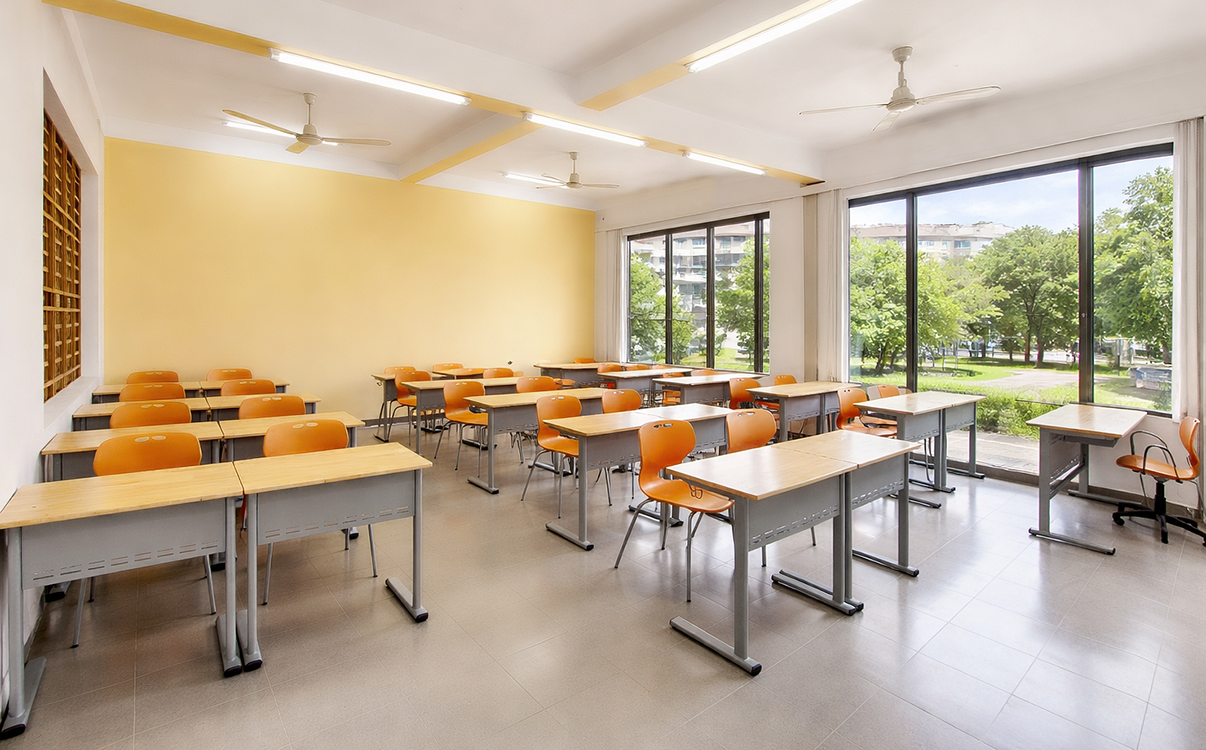
Study desks for elementary students
Elementary school students are in a period of rapid growth in height, physical development, and cognitive ability. Therefore, study desk models for elementary level need careful selection to support correct sitting posture, create a comfortable feeling, and help children gradually form learning habits.
At this educational level, study desks need to have dimensions suitable for the average height of students, avoiding desks that are too high causing children to shrug their shoulders or too low causing hunched backs. A suitable desk helps maintain a reasonable eye-to-desktop distance, thereby reducing pressure on the eyes, neck, and spine during daily study.
Besides size standards, study desk models for elementary students should have simple, sturdy designs that are easy to use. The desktop needs to be wide enough to hold textbooks, notebooks, pencil cases, and basic learning tools while remaining tidy. Many desk models also integrate book compartments or bag hooks to increase convenience, helping children get acquainted with organizing their learning supplies neatly.
Aesthetic factors are also very important at the elementary level. Light, bright colors or friendly designs make the learning space feel more approachable. Thus, students can feel more excited about sitting at their desks every day. In modern school projects, elementary study desks are often chosen to balance functionality with creating a positive learning environment, encouraging proactiveness and concentration in children.
Study desks for middle school students
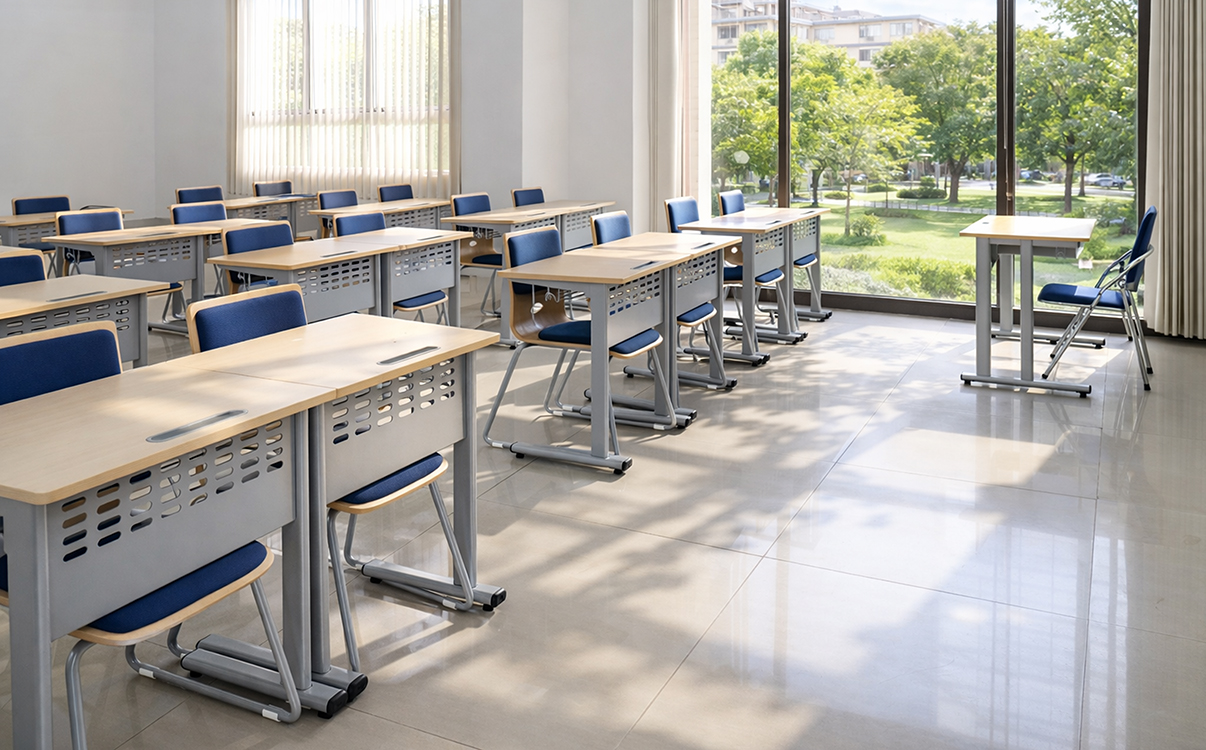
Entering middle school, students begin to have more diverse learning needs, using various books, materials, learning tools, and sometimes electronic devices. This is also a stage of rapid physical development, along with starting to engage in more demanding learning activities requiring greater proactiveness and interaction. Therefore, study desk models for middle school students need upgrades in both size and functionality.
First, the desktop should have a larger area compared to the elementary level to accommodate the need for using multiple materials simultaneously. The desk structure needs to be stable and sturdy to serve the frequent usage intensity in the school environment. At this age, students often have habits of writing quickly, leaving many items on the desk, or changing postures continuously, so a sturdy desk will make the learning experience more stable and comfortable.
Schools today often choose single desk models or improved double desks for middle school. Single desks increase concentration and make it easy to change classroom layouts when organizing group work, discussions, or project-based learning. Meanwhile, double desks remain an optimal solution for crowded classes, provided the size is designed spacious enough for two students to use comfortably.
Besides functionality, study desks for middle school also need more modern designs, suitable for the age transitioning from young child to teenager. Overly colorful or childish designs are no longer appropriate, replaced by minimalist, neat desks focused on practicality. This is a stage where a suitable study desk model can greatly support the formation of more serious and proactive study habits in students.
Study desks for high school students
At the high school level, students' study intensity increases significantly. They must sit for longer periods, use more materials, and face higher academic pressure, especially during exam preparation periods. Therefore, study desk models for high school students need to focus more on comfort, ergonomics, and support for long-term learning.
The first thing to consider is that the desk size must suit the physique of adolescents. Compared to previous levels, high school students have height and build almost fully developed like adults, so study desks need a wide desktop, comfortable legroom, and standard height to maintain a natural sitting posture. An unsuitable desk at this stage easily causes back pain, shoulder and neck strain, or decreased concentration when studying for many consecutive periods.
Additionally, study desk models for high school should have minimalist but sturdy designs, suitable for a serious learning environment. Neat lines, neutral colors, and modern designs are often preferred because they bring a professional feel and easily match the classroom space. Depending on the training model, schools can choose single desks, double desks, or modular desks to simultaneously serve individual and group study needs.
Beyond basic functionality, high school desks also need to accommodate a larger volume of materials. The desktop should be sufficient for textbooks, review materials, notebooks, and sometimes laptops or tablets. For schools investing in a modern direction, study desks can also be combined with furniture solutions that support more active learning, thereby enhancing the student experience during this important learning stage.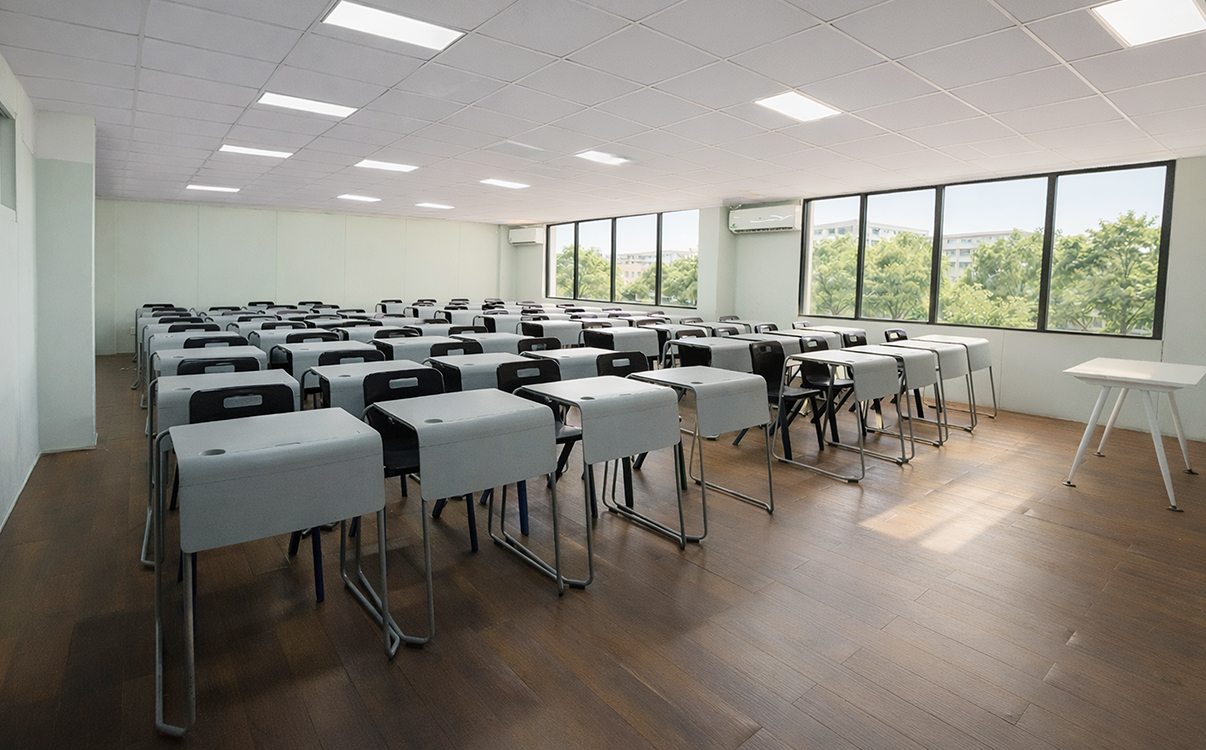
Study desks for university lecture halls
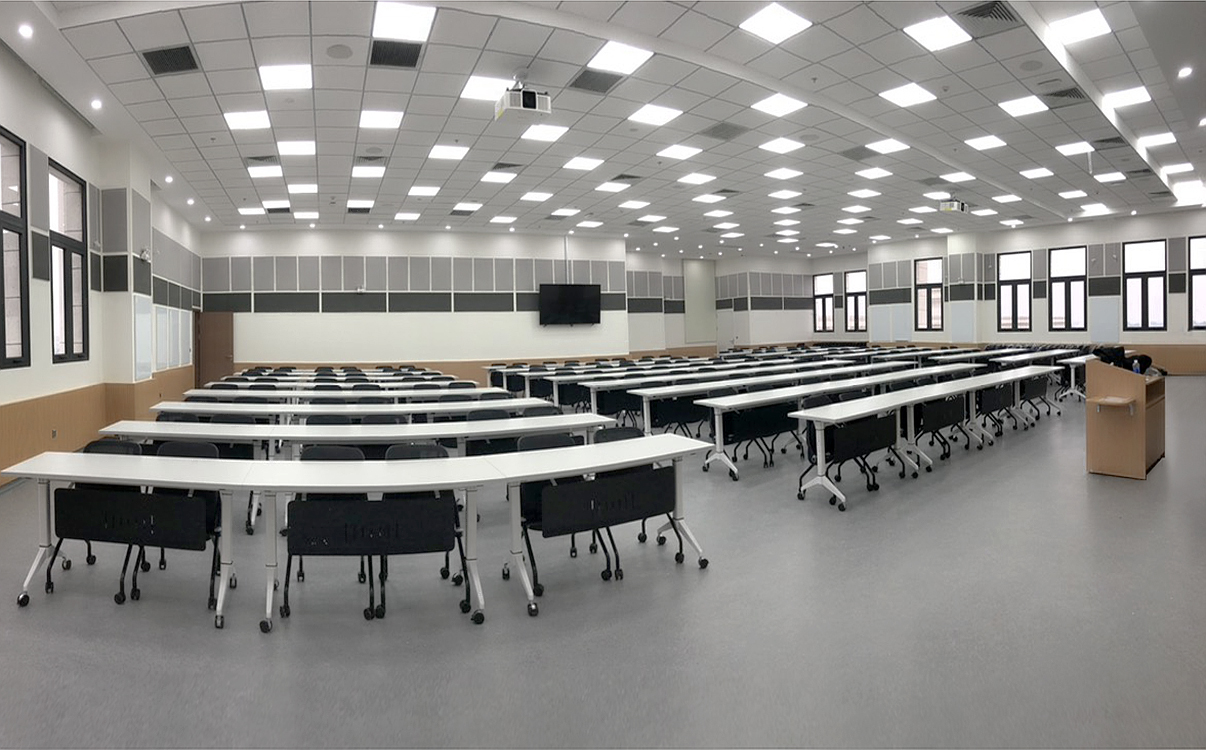
University lecture halls are specialized spaces with a large number of learners, long usage hours, and high demands for space optimization. Therefore, study desk models for the university level are often designed to be consistent, sturdy, and effectively utilize the usable space.
The most common in lecture halls are desk-with-attached-chair models, long desks, or desks with foldable writing surfaces. These designs help increase the number of seats within the same area, create a clear layout, and facilitate class management and organization. For large-capacity lecture halls, the consistency and stability of furniture are very important to maintain a professional, tidy image that is easy to maintain over time.
Besides space optimization, study desk models for university also need to focus on student comfort during long sessions. The desktop must have enough space for a laptop, textbooks, notebooks, and basic personal items. The structure needs to be sturdy to withstand high daily usage frequency, easy to clean, and easy to replace components when maintenance is needed.
In modern educational projects, lecture hall study desks also integrate additional utilities such as power outlets, storage shelves, places for water bottles, or foldable desktops to optimize user operations. These small details significantly enhance the learning experience and suit the habit of using technological devices in today's university environment.
Study desks for libraries and self-study areas
Unlike regular classrooms, libraries and self-study areas are spaces that demand quiet, concentration, and long-term comfort. Therefore, study desk models for these areas not only need to meet basic functionality but also create a pleasant learning environment, minimize distractions, and support various usage forms.
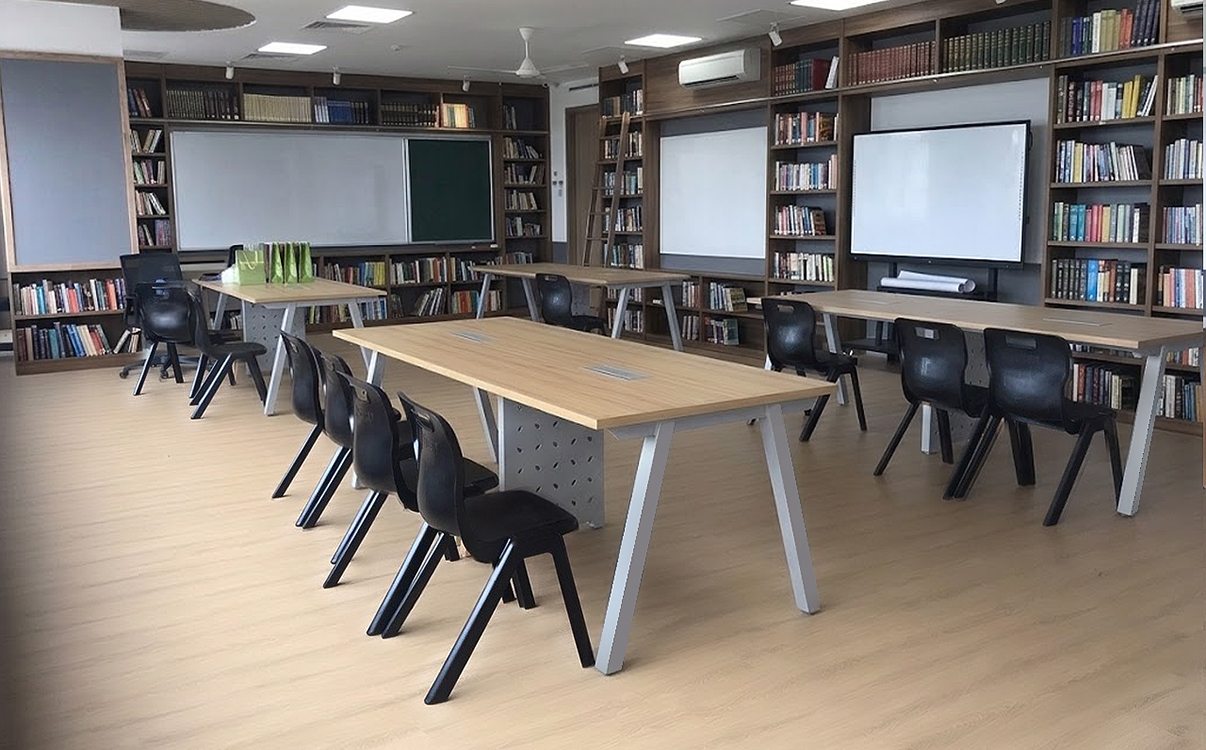
Depending on the design direction, study desks in libraries can be long desks for multiple people, single desks with partitions for privacy, or small group desks for joint discussion and research activities. Each type suits a specific need, but the common point is that all need a sufficiently wide desktop, sturdy structure, and reasonable spacing so users feel comfortable reading, taking notes, or using laptops for extended periods.
A good study desk model for the library should prioritize minimalist design, light colors, and materials that feel pleasant. Unlike classrooms needing flexibility and interaction, self-study spaces usually emphasize stability, privacy, and high concentration. Therefore, desks with scientific layouts that minimize wobbling and noise during use are rated higher.
Additionally, study desks for libraries need to harmonize with the overall design of the space. From lighting, furniture color, to aisle arrangement, every factor should be calculated synchronously to create a comfortable and professional learning experience. When chosen correctly, the study desk model for the library not only serves reading and research but also helps transform this space into an ideal learning place for students of various ages.
See more:
-
Elementary student desk models: How to choose correctly for children aged 6-10
-
Middle school student desk models: Standard design, durable, beautiful, easy to use
-
High school student desk models: Durable, beautiful, back-pain preventing
Criteria for choosing study desk models for school projects
To choose a suitable study desk model for a school project, investors, design units, and management boards should not only look at the design or initial cost. In the educational environment, study desks are furniture items used with very high frequency, directly impacting the learning experience, learner health, classroom organization ability, and long-term operational efficiency of the entire project.
A suitable study desk model needs to simultaneously meet many requirements: correct size standards by age, safety during use, sufficient durability for continuous usage intensity, flexibility with modern classroom models, and harmony with the overall educational furniture design. If chosen correctly from the start, the school not only creates a scientific and aesthetic learning environment but also saves significantly on future repair and replacement costs.
Below are important criteria to consider when choosing study desk models for school projects.
Suitable for ergonomic standards by age group
This is the most important criterion when choosing study desks for any educational project. Ergonomics in study desk design means the suitability between the furniture product and the physique, sitting posture, and actual usage needs of learners at different ages. A standard study desk model not only creates comfort but also contributes to protecting the long-term health of students.
At each educational level, body height, eye level, arm length, and study desk usage habits differ clearly. Preschoolers need low desks that are easy to use and feel approachable. Elementary students need desks that support forming correct sitting postures. Meanwhile, middle school, high school, and university students need wider desktops, more comfortable legroom, and heights suitable for their developing physiques.
If the wrong size is chosen, learners easily fall into postures like hunched backs, shrugged shoulders, incorrect arm resting, or sitting sideways for long periods. These habits can negatively affect the spine, shoulders and neck, eyesight, and concentration ability. Conversely, a study desk model that meets ergonomic standards helps learners maintain a natural posture, reduce fatigue, increase comfort during long study sessions, and thereby improve knowledge absorption efficiency.
Therefore, when choosing study desks for schools, carefully consider the relationship between desk height, chair height, desktop, eye distance, and legroom. This is the foundation for building a healthy, scientific learning environment suitable for each user group.
Durability and usability in high-intensity environments
Schools are environments with very high furniture usage frequency. Study desks are not only used continuously for many hours each day but also must withstand impacts from movement, collisions, rearrangements, frequent cleaning, and changing user numbers each school year. Therefore, durability is an unavoidable criterion when choosing study desk models for school projects.
A beautiful desk with a weak structure, prone to wobbling, quick peeling, or rapid deterioration will significantly increase maintenance and replacement costs. This not only affects the budget but also impacts the school's professional image. Conversely, a study desk model with a sturdy frame, durable desktop, scratch-resistant, and good load-bearing capacity helps ensure stable usage quality for a long time.
In practice, materials such as powder-coated steel frames, high-quality industrial wood, durable molded plastic, or moisture-resistant, scratch-resistant surfaces are often preferred for the school environment. Not only durable, these materials also make the product easy to clean and maintain aesthetics after long-term use.
Besides materials, the durability of a study desk model also depends on the overall structure such as welds, connections between parts, load capacity, and stability during use. For school projects, investing in long-lasting study desks from the start is always more effective than choosing low-cost products that deteriorate quickly.
Safety in the educational environment
Safety is a mandatory requirement in all educational furniture designs, especially for study desks — items students come into direct contact with daily. A suitable study desk model not only needs to be durable and beautiful but also must minimize the risk of collisions, injuries, or other incidental risks during use.
In the classroom environment, students frequently move, change seats, turn around, place backpacks, and interact with desks in various postures. If the desk has sharp edges, rough surfaces, unstable structures, or exposed details like screws or metal edges, the risk of safety loss increases significantly. Therefore, study desk models used in schools should prioritize rounded corners, smooth surfaces, minimal sharp details, and ensure structural stability throughout use.
For preschool and elementary levels, the safety criterion must be placed above all. Young children are often active, lack good behavioral control, and are very prone to collisions during play or study. In that case, study desks need high stability, resistance to tipping, use of safe materials, and contain no harmful components.
Besides physical factors, safety also relates to the feeling of use. A sturdy study desk model that does not wobble or make loud noises during use helps learners feel more secure and comfortable during study. This is a small detail but greatly affects the quality of the educational space.
Ability for flexible layout according to modern classroom models
Classroom design today is no longer confined to the traditional model with fixed rows of desks and chairs facing the board. Many modern schools are applying new teaching methods such as group learning, project-based learning, open discussions, flipped classrooms, or multi-functional STEM spaces. Therefore, flexible layout ability is a very important criterion when choosing study desk models for school projects.
A suitable study desk for modern trends should allow quick changes to classroom layout without causing operational difficulties. Lightweight, easily movable study desk models that can be grouped or separated will help teachers be more proactive in organizing learning activities. With just one space, the school can flexibly switch between individual study, group work, presentations, practice, or project-based work.
This flexibility is especially important in multi-functional classrooms, skills training centers, modern libraries, or creative classrooms. If study desks are too bulky or fixed, the space's functionality will be limited and it will struggle to meet new teaching methods. Conversely, a smartly designed study desk model opens up many possibilities for space organization, enhances classroom usage efficiency, and supports both teachers and students better.
However, flexibility does not mean a lack of stability. A good design needs to balance mobility, connectivity, and robustness during use. This is an important factor to ensure both modern functionality and a safe, comfortable learning experience.
Consistency with the overall educational furniture design
In modern school projects, study desks should not be chosen as isolated products. Instead, they need to be seen as part of the overall educational interior space, closely linked with chairs, storage cabinets, whiteboards, lighting, colors, and the general design style. A beautiful study desk model only truly realizes its value when it harmonizes with the entire usage space.
Consistency in design helps the classroom become professional, tidy, and easily creates a positive impression on students, parents, and educational partners. When study desks have designs, colors, and materials suitable for the overall space, the environment becomes more pleasant, increases aesthetics, and contributes to learning inspiration. This is a factor increasingly valued by many schools, especially educational institutions focusing on learner experience and brand image building.
Furthermore, consistency also brings practical benefits during construction and operation. When choosing a study desk model suitable for the overall design from the start, the school will easily implement related furniture items, ensuring consistency between classrooms, libraries, self-study areas, or lecture halls. This also makes future replacement, expansion, or furniture upgrades more convenient.
The educational space not only needs to meet functionality but also create a professional, friendly, and inspiring feeling. Therefore, consistency between study desks and the overall furniture is the factor that elevates space quality significantly.
Optimizing investment cost and long-term operational efficiency
Besides functionality, aesthetics, and safety, the budget issue is always an important factor in every school project. However, when choosing a study desk model, cost should not be evaluated solely based on the initial purchase price. A smart investment decision needs a broader view, including product lifespan, maintenance costs, component replaceability, and long-term usage efficiency.
In practice, many low-cost products deteriorate quickly, are prone to damage, or lose aesthetics shortly, leading to higher total operational costs. The school may have to repair continuously, replace early, or incur additional labor, maintenance, and usage interruption costs. Conversely, a high-quality, durable, and easy-to-maintain study desk model, though possibly requiring a higher initial investment, yields better long-term economic efficiency.
Cost optimization also relates to choosing the right desk type for the right need. Not every space needs high-end height-adjustable or modular desks. For traditional classrooms, double desks or desks with attached chairs may be suitable and more economical solutions. Meanwhile, for modern study areas or specialized classrooms, investing in flexible desk lines will bring higher usage value. Identifying the correct goal and usage model will help choose the most suitable study desk model for the budget.
Additionally, products with simple structures, easy cleaning, easy accessory replacement, and low maintenance needs will help the school optimize annual operational costs. This is a very important factor for large-scale projects or school systems needing consistency across multiple facilities.
Conclusion
Choosing the right study desk model not only makes the learning space tidier and more modern but also helps enhance the learning experience and effectiveness for users. From single student desks, double desks, height-adjustable desks, to flexible modular desks, each design has its own advantages, suitable for different educational levels, space areas, and educational models.
For school projects, investing in study desks is not merely choosing a furniture item, but also a solution for building a quality, safe, and sustainable learning environment. When carefully considered according to criteria on ergonomics, durability, safety, flexible layout ability, and aesthetic consistency, the study desk model will become an important factor contributing to perfecting the modern educational space, inspiring, and optimizing long-term usage efficiency.
If you are looking for suitable educational furniture solutions for schools, libraries, self-study areas, or specialized training spaces, RPB Education & Public will be a reliable partner in consulting, designing, and supplying study desk models that meet both functionality, aesthetics, and practical usage standards. Contact RPB Education & Public for advice on optimal educational furniture solutions suitable for each project and the school's long-term development direction.
Related News
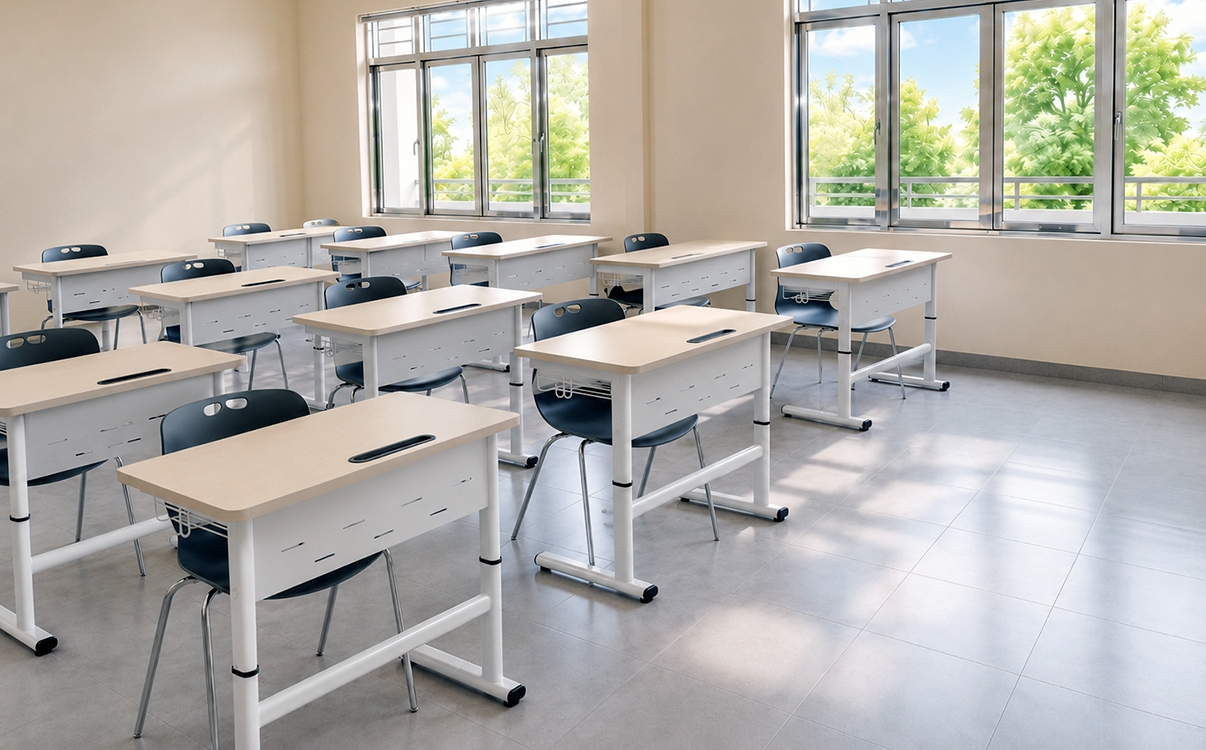
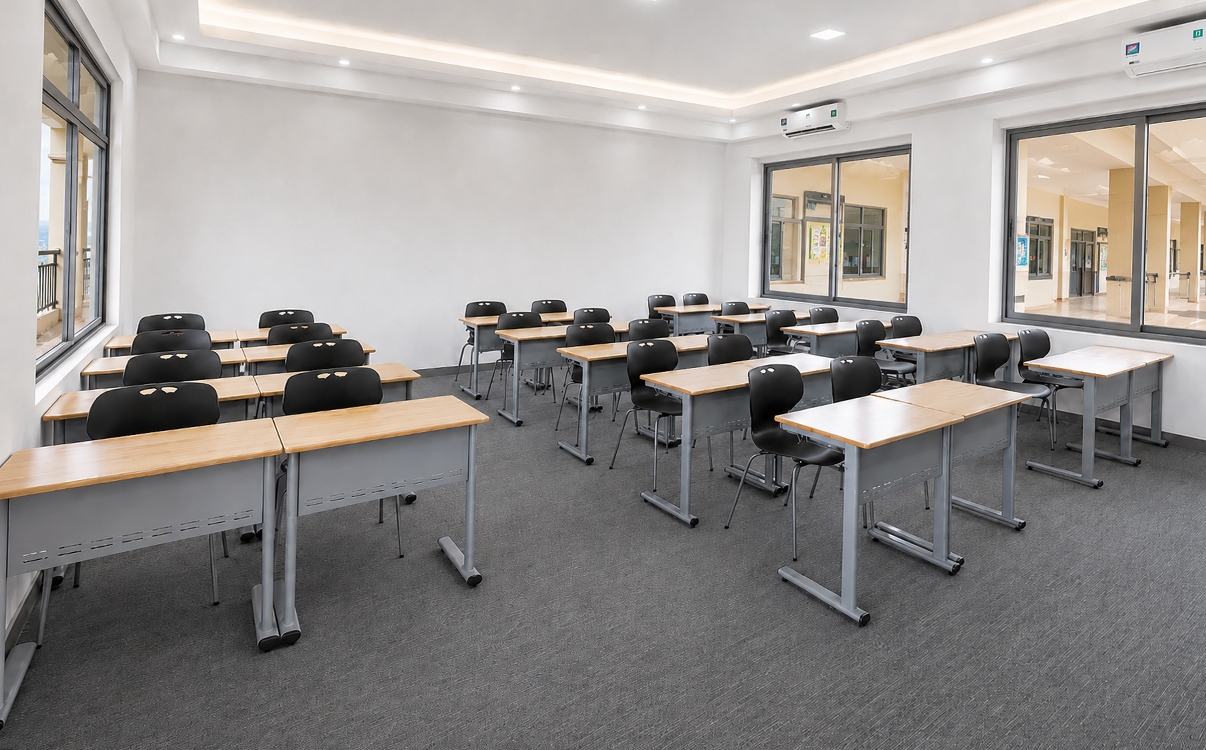
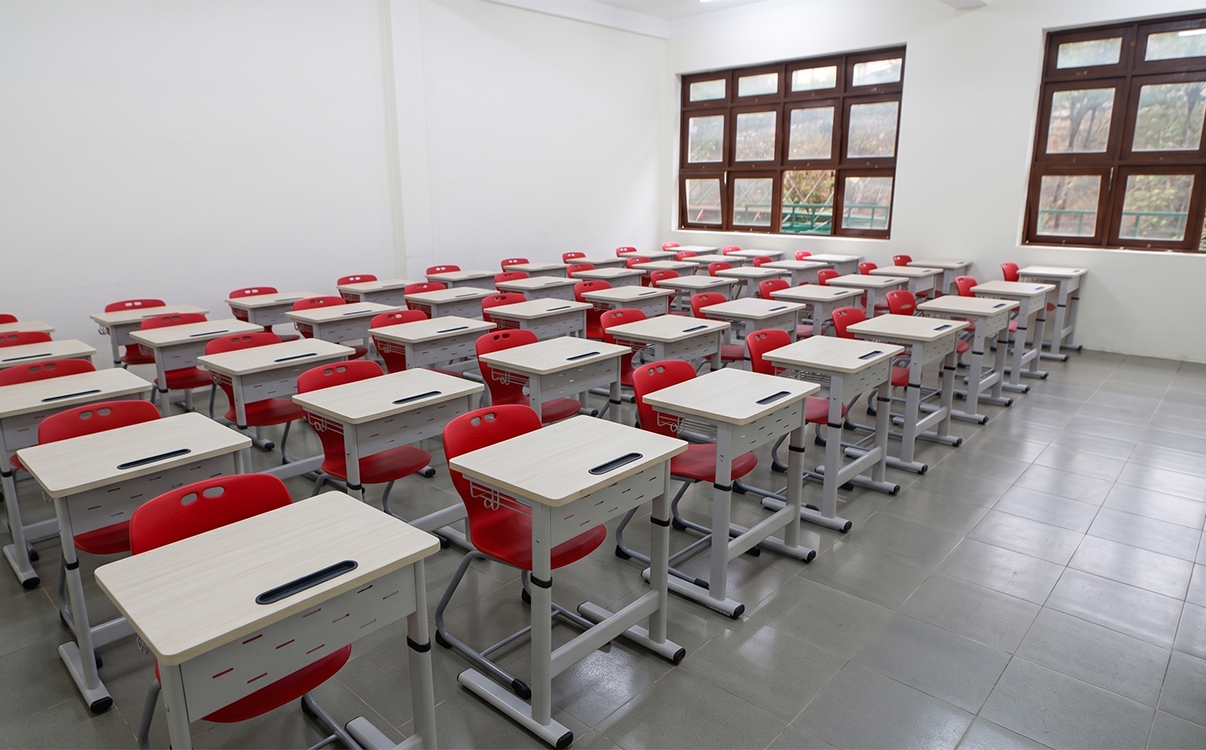
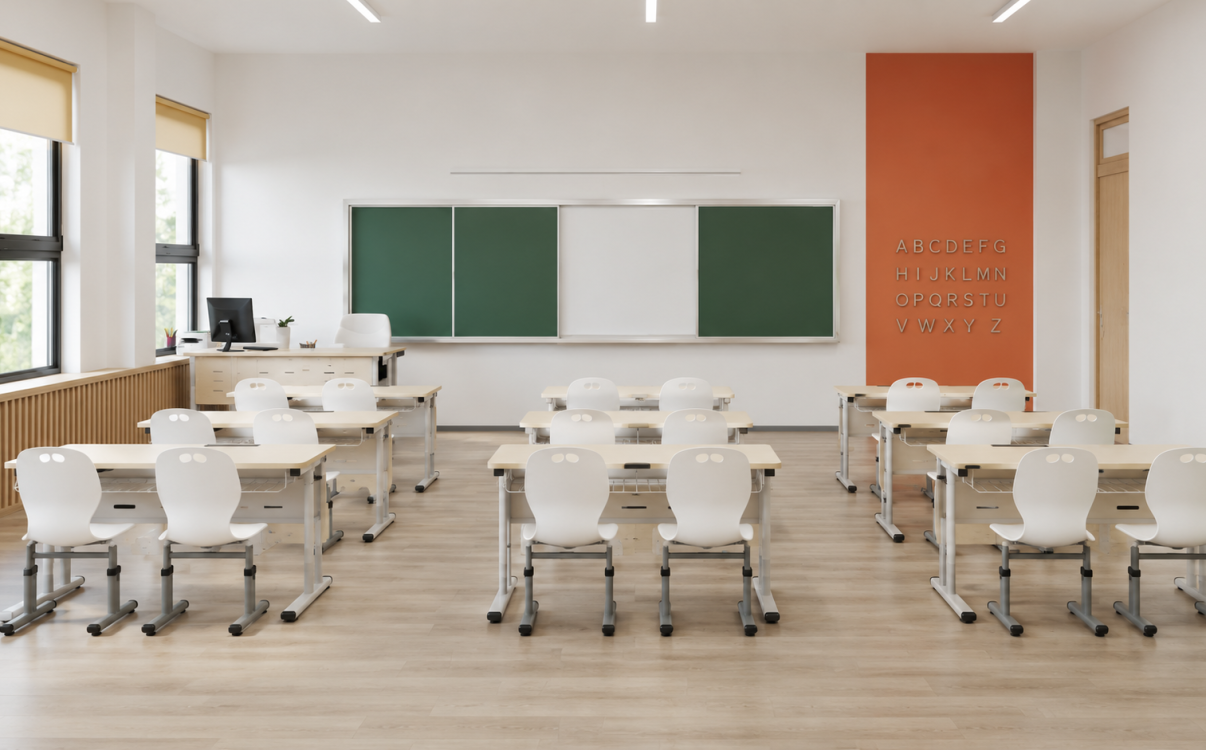

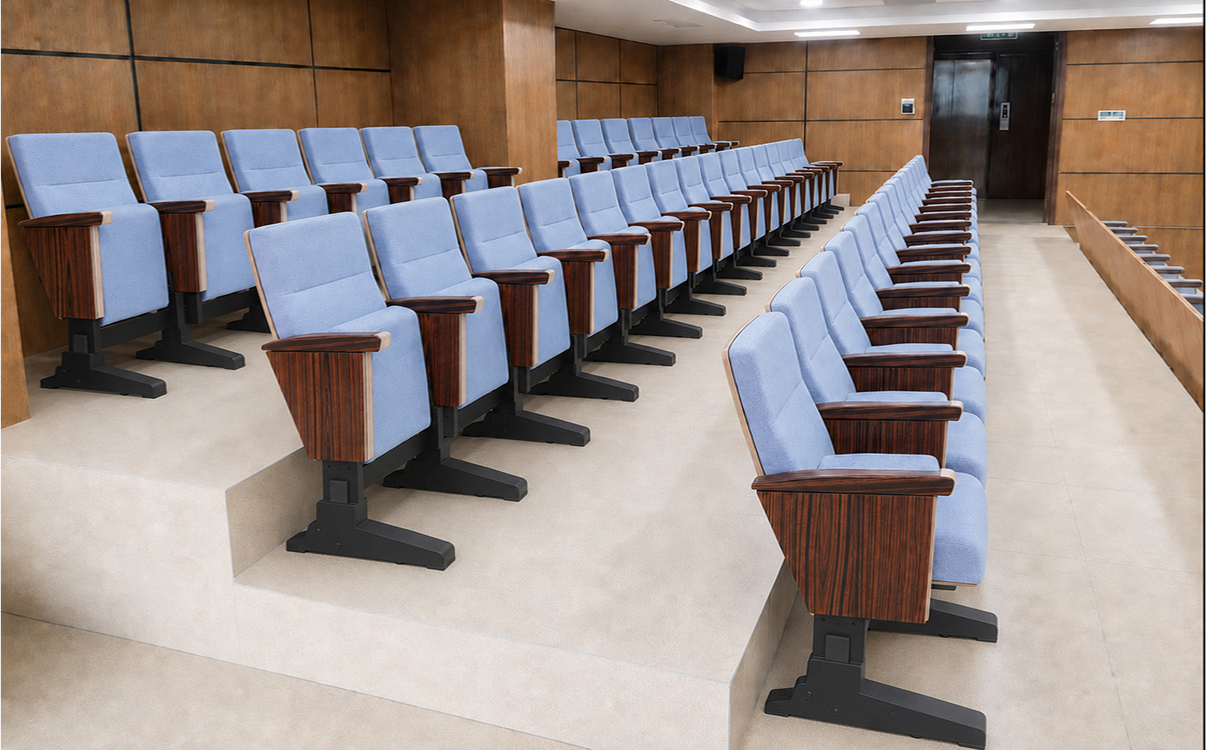
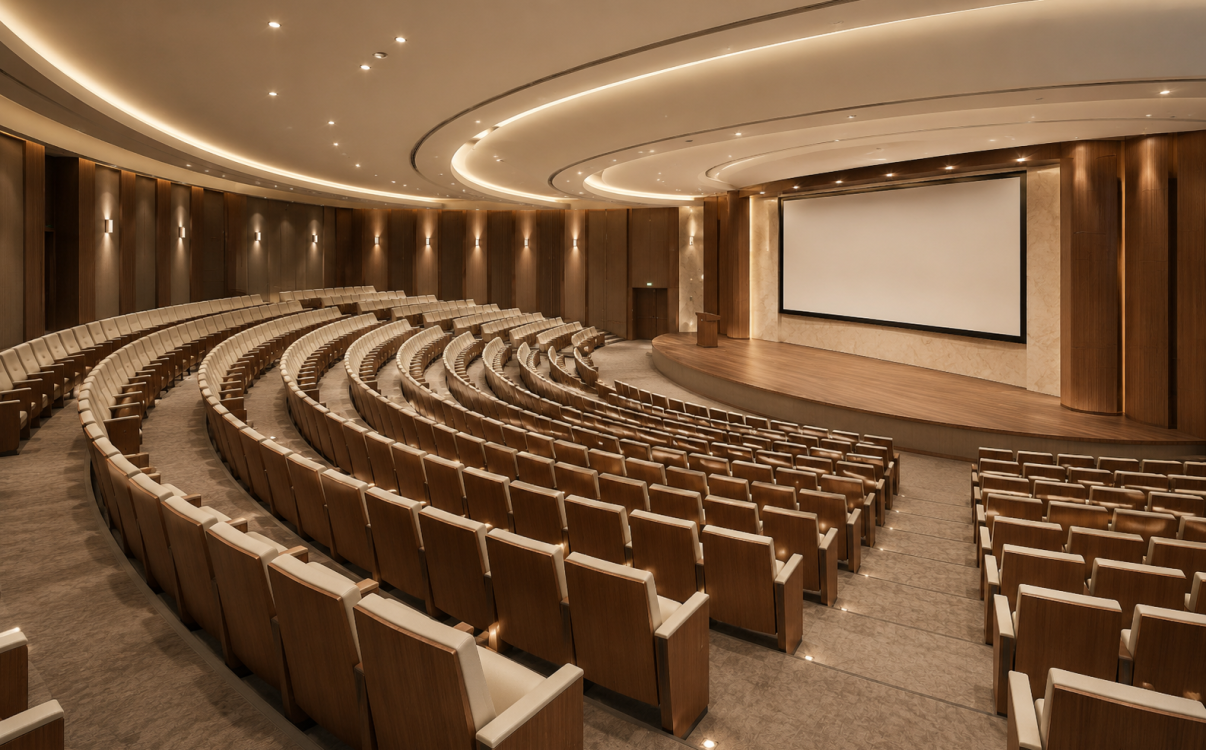
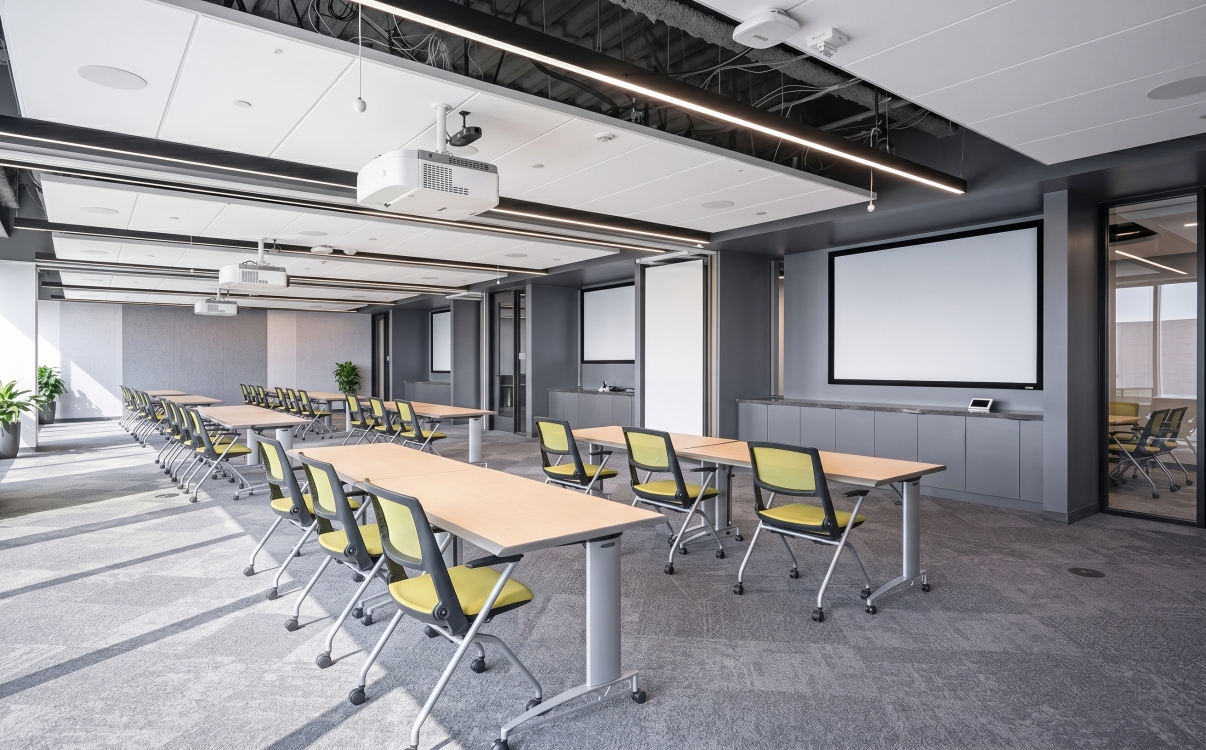
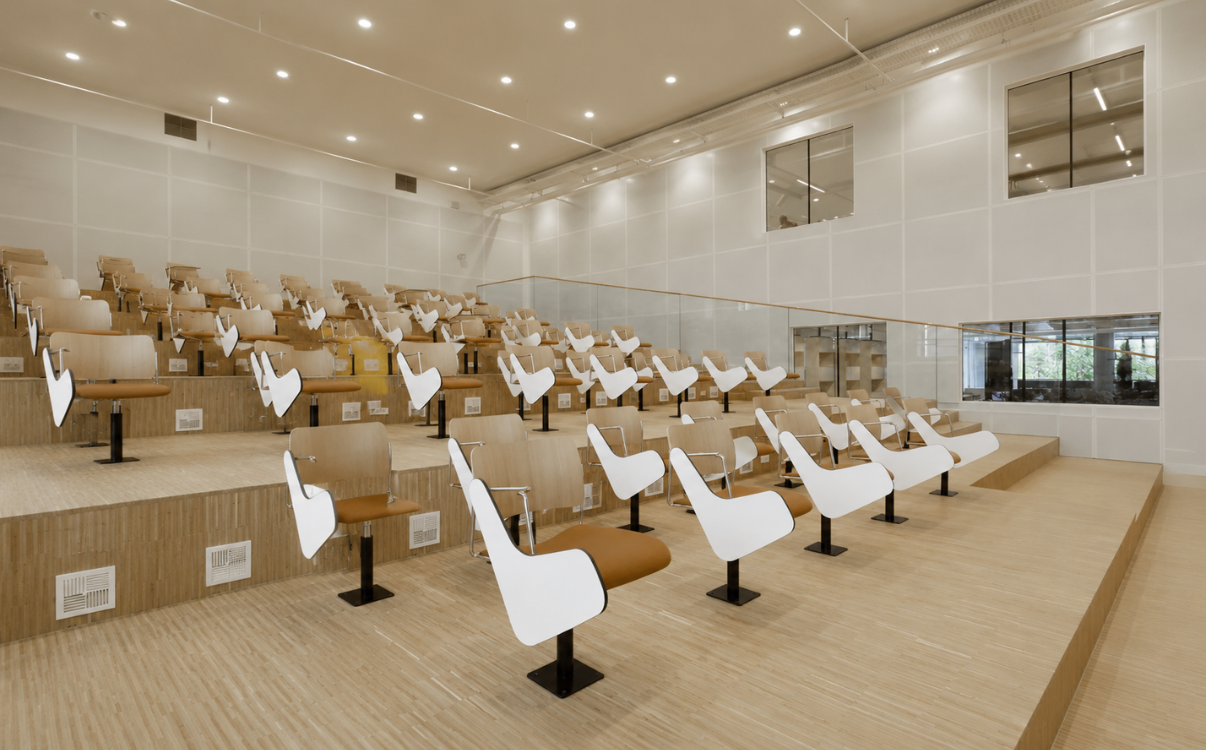
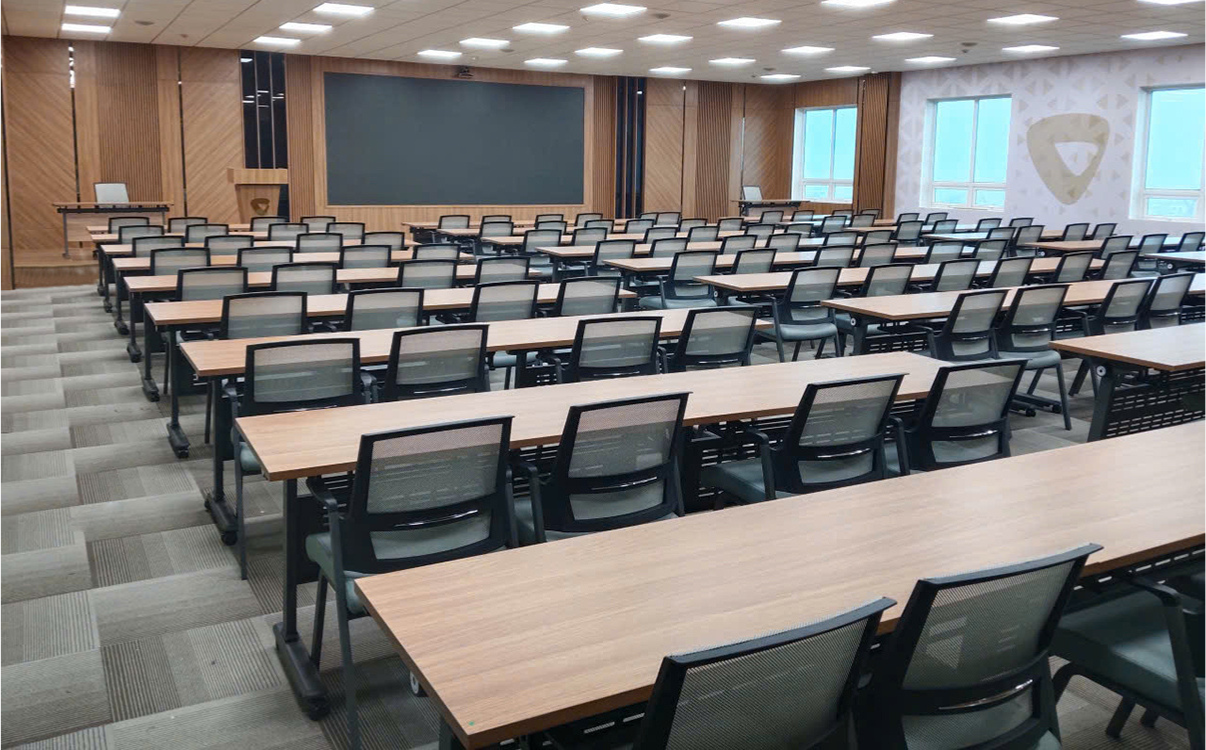

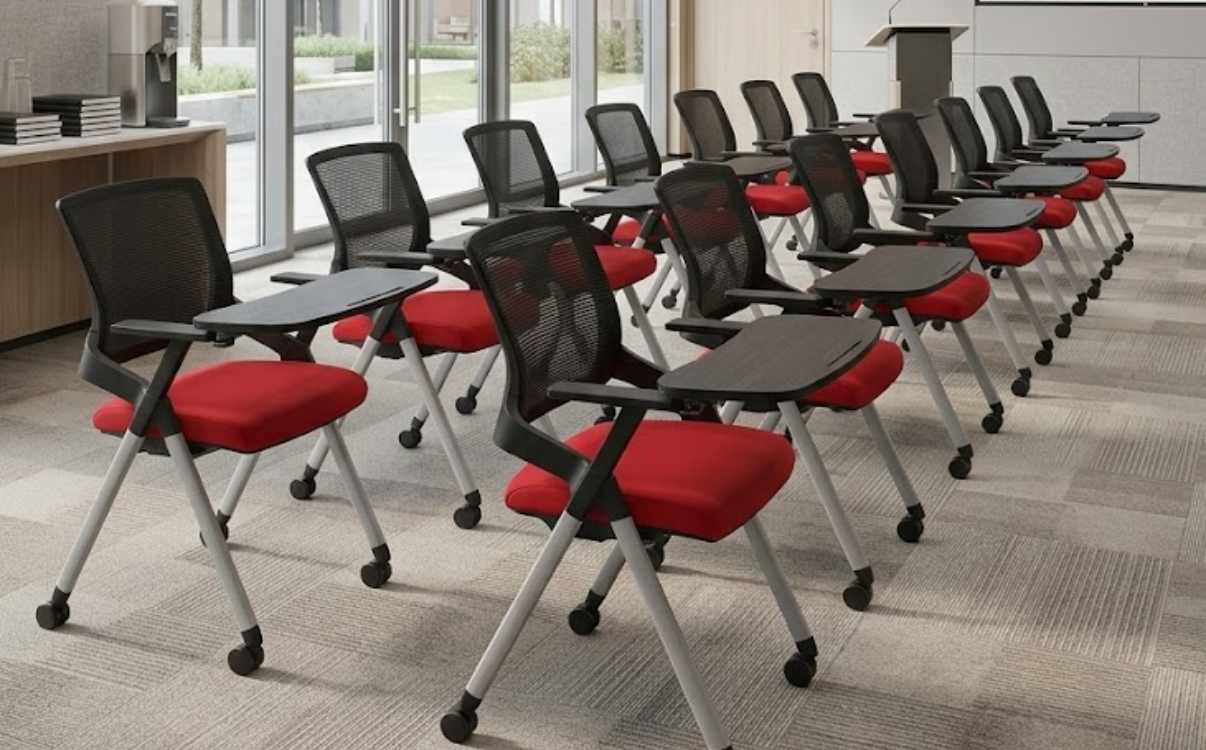
5+ Quality Training Chair Models at RPB Education & Public
Suggestions for outstanding training chair models at RPB Education & Public, from training chairs with tablets, training chairs with casters to premium lines; suitable for classrooms, training rooms, and modern training spaces.
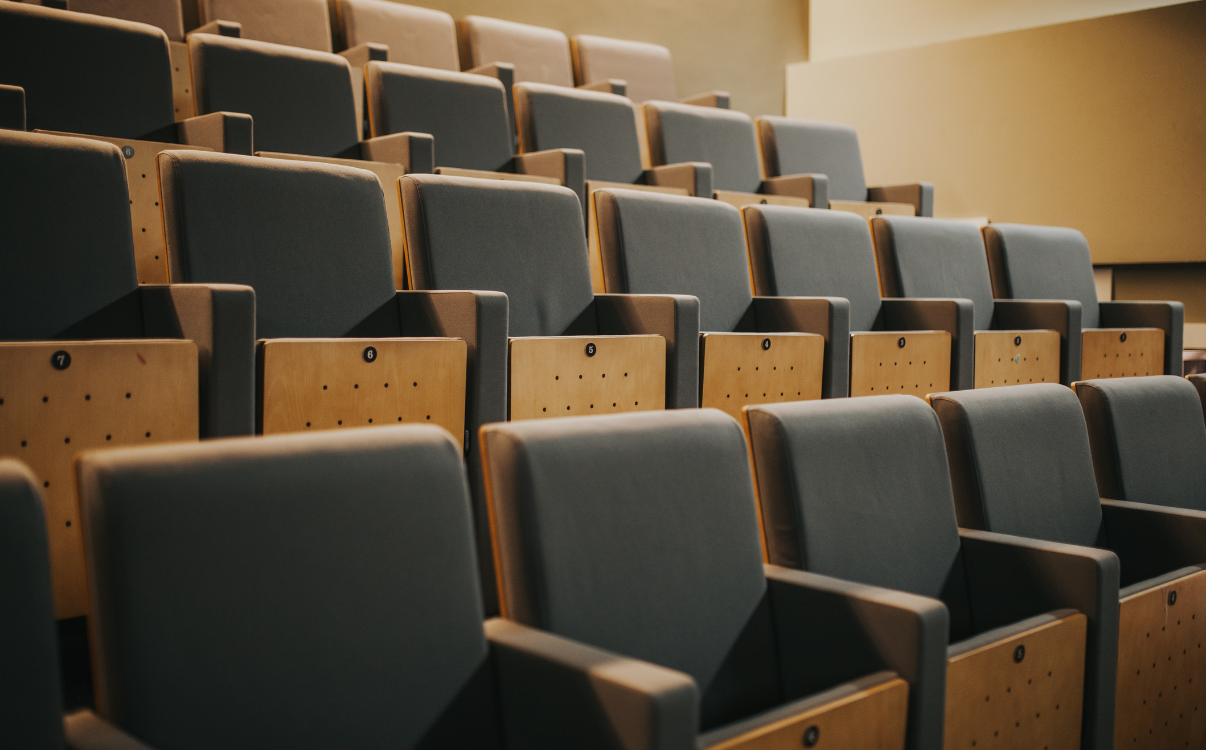
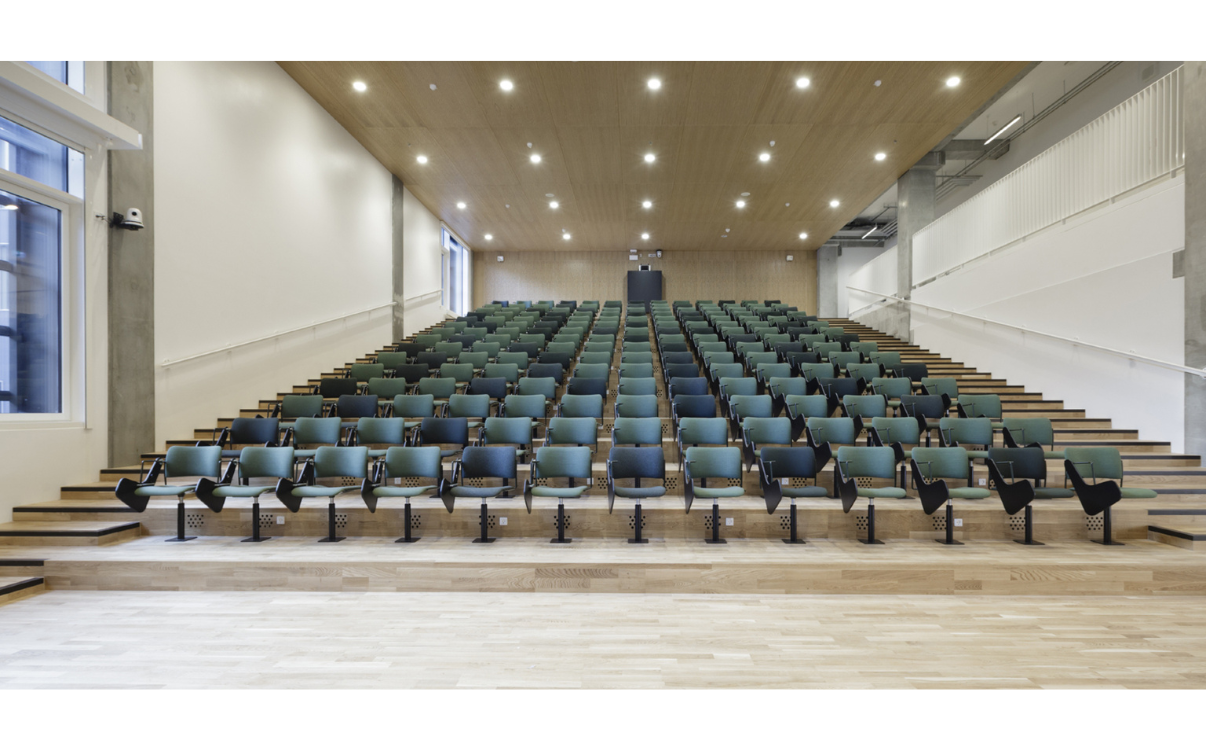
Auditorium Chairs - Standard Design for Halls and Event Centers
Explore auditorium chairs by material, function, and usage space; from wooden auditorium chairs, fabric-upholstered types to those with writing tablets, along with a guide on choosing the right auditorium chair dimensions.
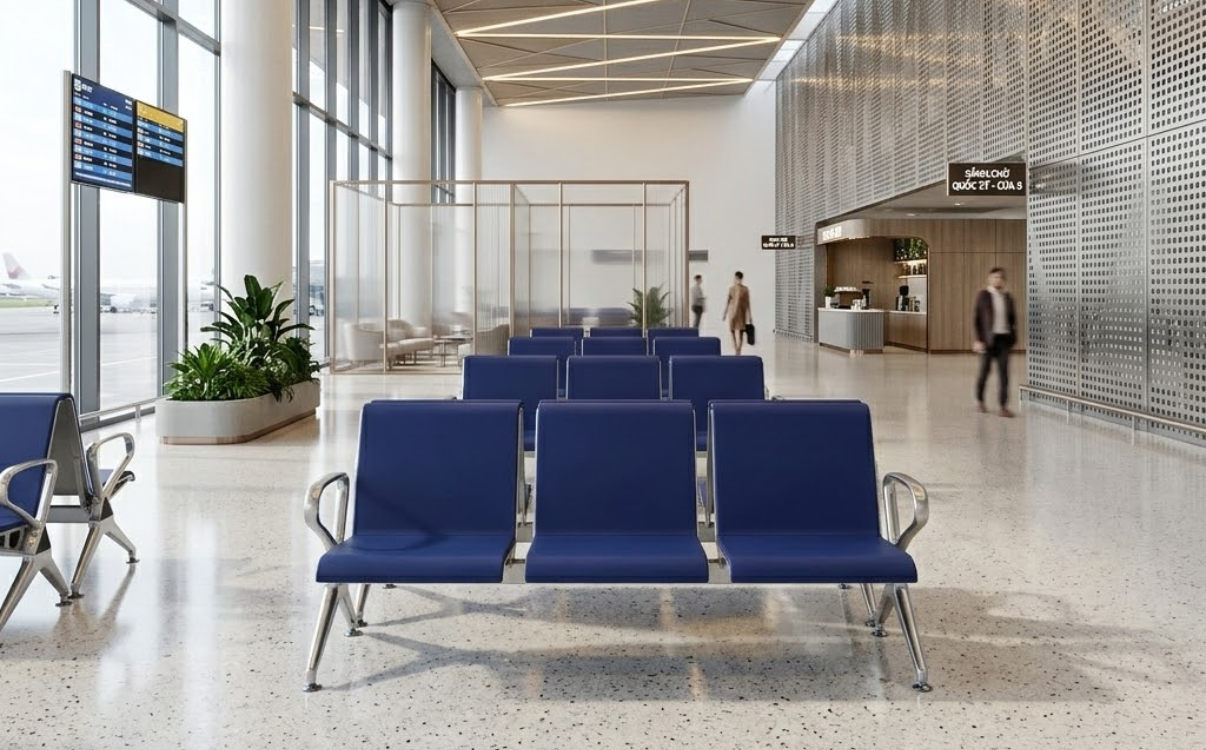
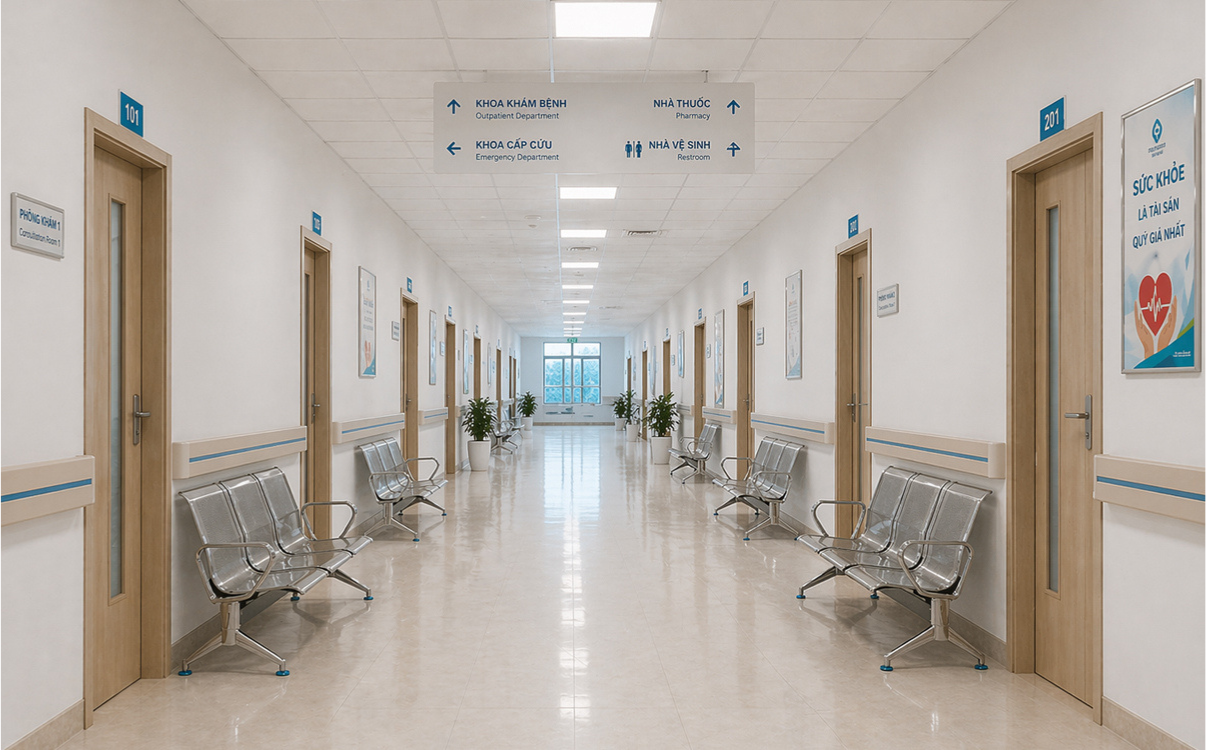
Lobby Chairs – Seating Solutions for Public Areas
Durable, highly aesthetic lobby chair solutions for hospitals, schools, airports, and public buildings. Suitable for large-scale project installations.
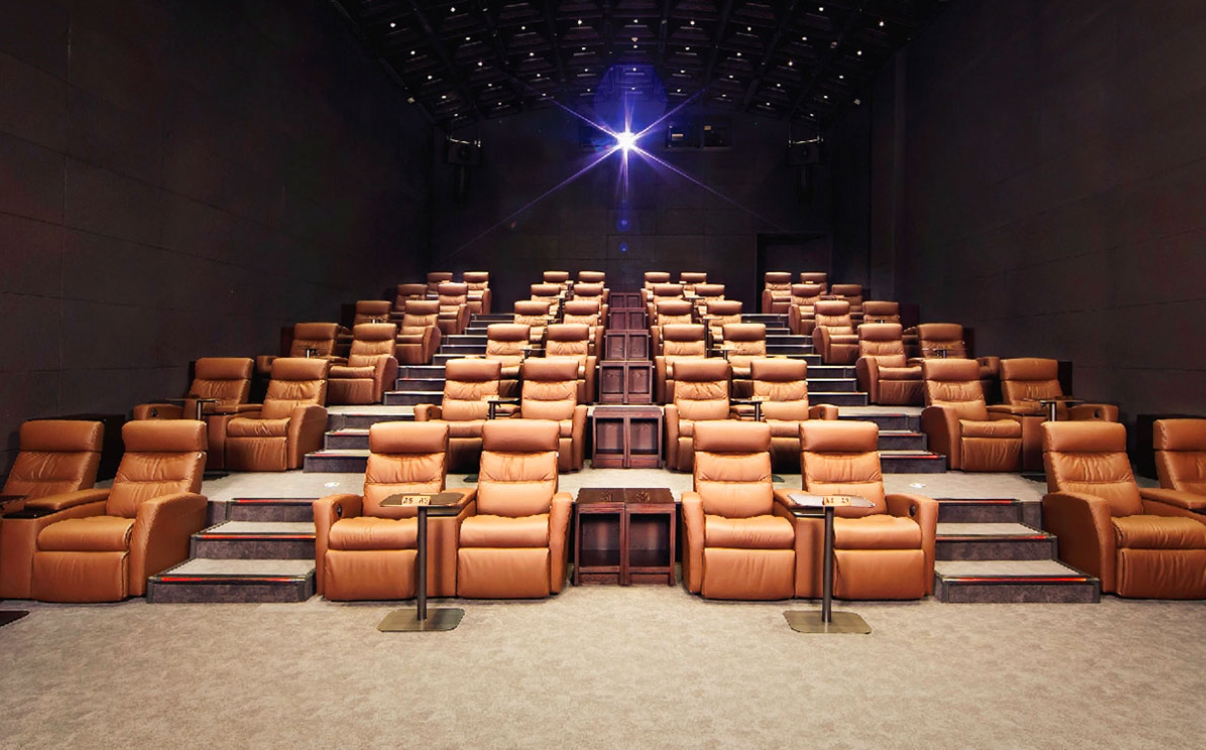
Gold Class Seat – Standard of Luxury Cinema Seats
Gold Class seats feature premium design, superior comfort, delivering a classy movie-watching experience and elevating the luxurious atmosphere of cinema spaces.
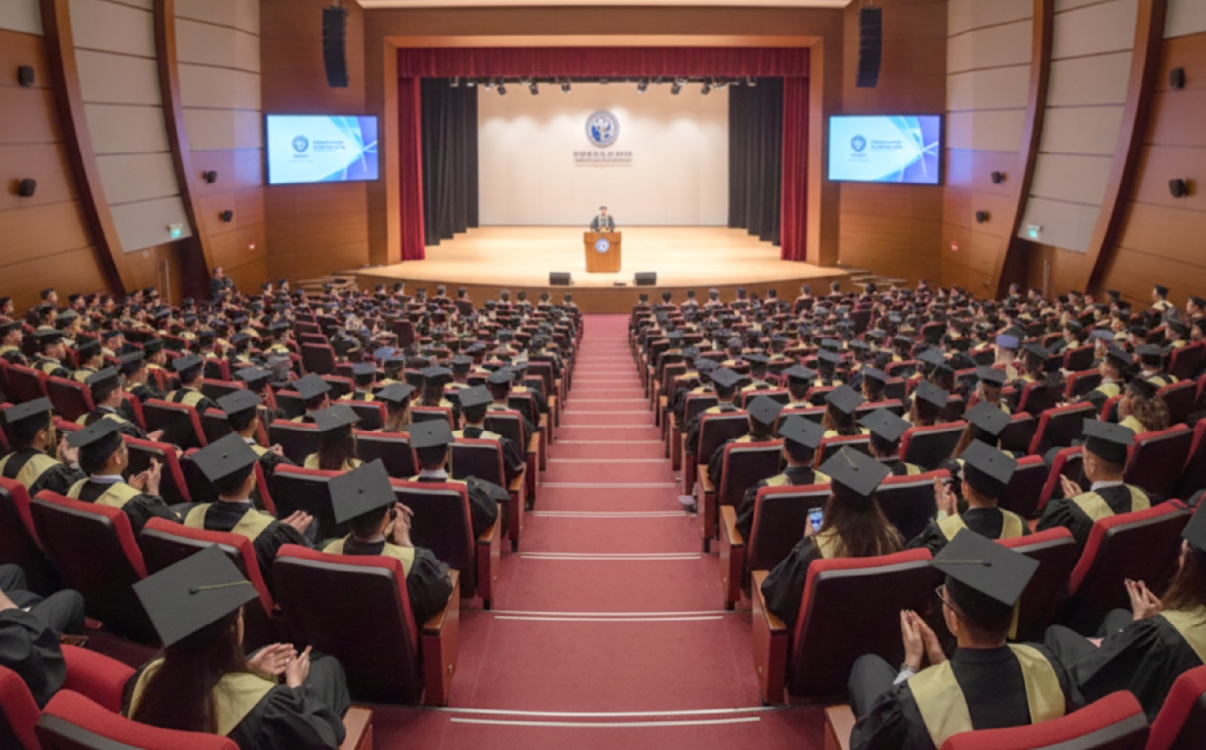
Modern School Auditorium: Where Knowledge and Emotion Converge
A school auditorium is more than just a large room. The auditorium is always a special space where opening ceremonies, year-end summaries, professional seminars, inspiring talk shows, cultural evenings, and emotional graduation ceremonies take place. Therefore, school auditorium furniture must not only provide sufficient seating but also effectively support both the transmission of knowledge and the nurturing of emotion.

RPB Education & Public Multi-functional Stadium Seating, a Symbol of Durability and Sporting Pride
In every stadium, gymnasium, school grandstand, or sports center project, the stadium seating component is always one of the tasks that is both detailed and strategic. For contractors, design consultants, and investors, choosing multi-functional stadium seating is not simply about finding a chair that is "sit-able," but rather a balancing act between durability, safety, audience experience, operational costs, and the long-term brand image of the facility.
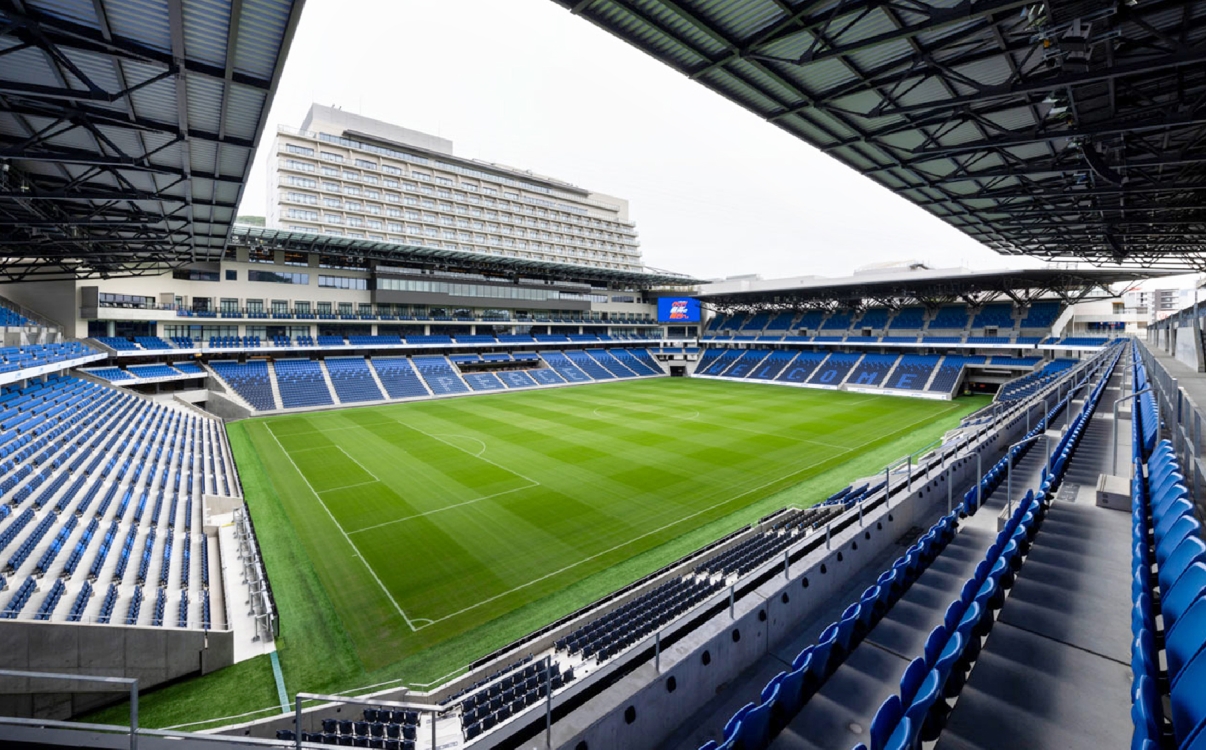
Multi-functional Stadium Seating, UV-Resistant, High Load-Bearing Capacity, Ready to Join You in Every Match
In projects for stadiums, gymnasiums, school grandstands, or sports centers, the choice of stadium seating has never been merely about functional sitting. For investors, contractors, and design consultants, every decision regarding multi-functional stadium seats or mobile grandstand seating is tied to safety, durability, audience experience, operating costs, and the brand image of the facility.

RPB Education & Public Stadium Seating: Where Emotion Resonates with Victory
In every match, people often remember the beautiful goals, the stunning saves, or the moment the championship cup is lifted. But behind those moments of overwhelming emotion, there is always a solid foundation quietly supporting them: these are the rows of stadium seating, where thousands of hearts beat in unison.

Durable in every frame, steadfast with the spirit of sports
Amidst the passionate atmosphere of the stadium, every cheer from the stands, every pass, every sprint, and every moment of emotional outburst is captured and supported by the seating. Stadium seats and multi-purpose grandstand chairs are not just where fans sit to watch the game; they are the launchpad for the spirit of sports and the solid foundation for those overflowing emotions. A seating system designed to be durable, safe, and aesthetically pleasing is an indispensable component of any sports facility aiming to establish its class, from school football fields and multi-purpose arenas to local stadiums and professional sports complexes.
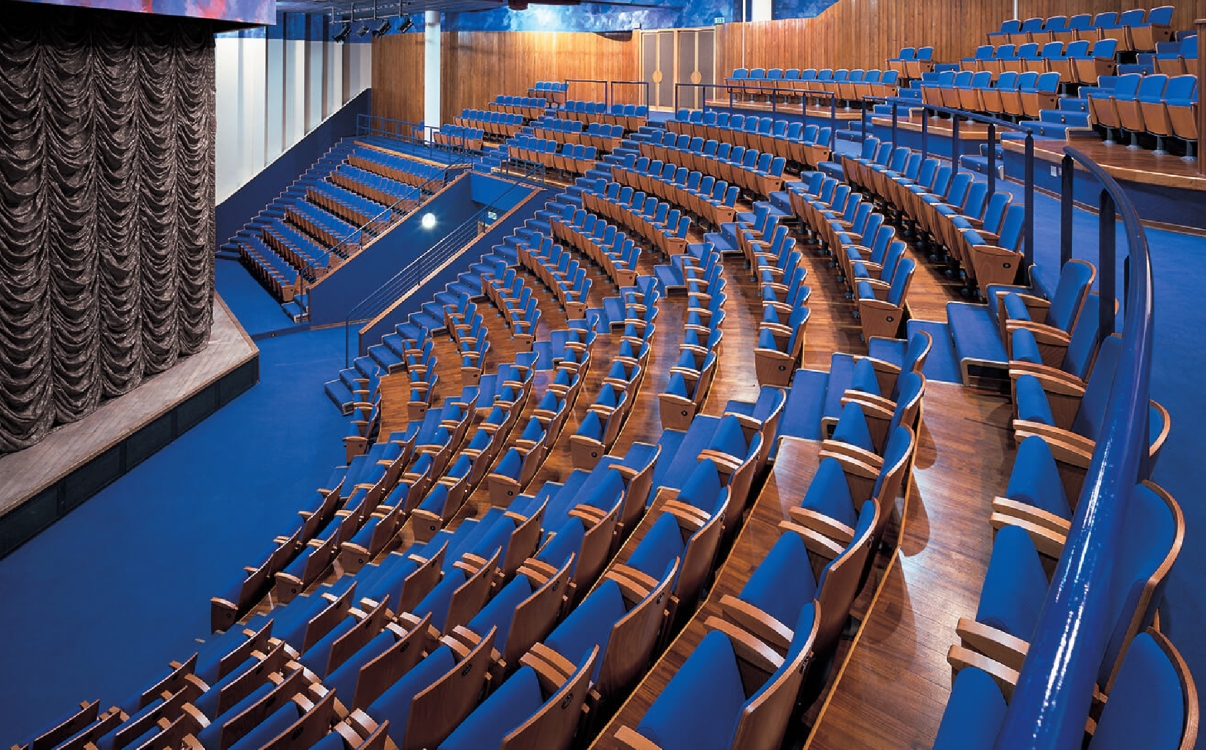
The difference is found in every detail: durable, sophisticated, and internationally compliant
In today's competitive landscape, high-level managers, business owners, principals, and government leaders all understand that the workspace, conference area, and reception space are the 'silent language' reflecting the organization's vision and caliber. An auditorium, conference room, or public space invested in to the correct standard not only serves daily operational needs but also creates an impression of professionalism, credibility, and commitment to quality. In such a space, every detail, from lighting and acoustics to the public seating system, contributes to establishing the brand image. The true difference always begins with seemingly minor details that are nonetheless designed for durability, sophistication, and compliance with rigorous international standards.
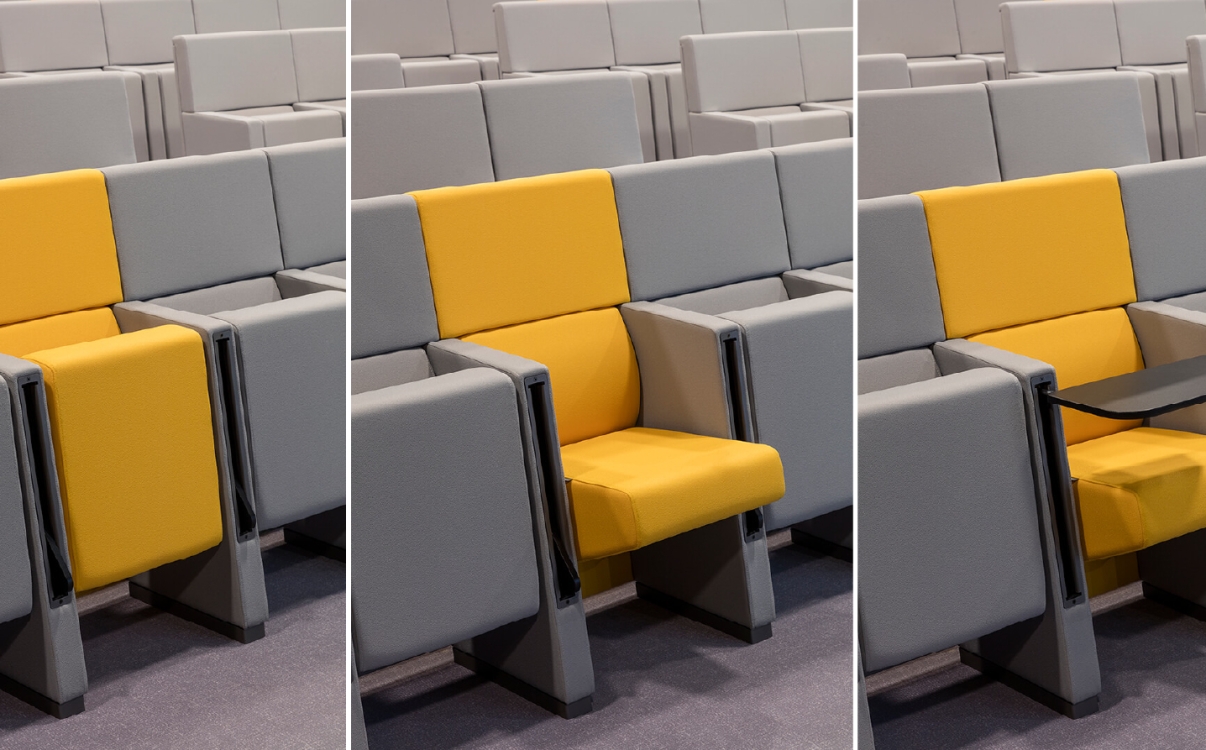
RPB Education & Public Auditorium Seating: The Benchmark Design for Educational and Cultural Spaces
As schools, cultural centers, conference halls, and training centers increasingly focus on their image and the attendee experience, auditorium seating is no longer simply a place to sit. It has become a vital part of the strategy to elevate the space, contributing to the expression of the unit's identity, class, and philosophy. RPB Education & Public Auditorium Seating is researched and developed specifically for the education and culture sector, simultaneously meeting three factors: aesthetics, functionality, and long-term operation, suitable for schools, children's centers, cultural centers, as well as corporate and governmental auditoriums,

Each seating row serves as the foundation for successful conferences
In the modern world, where conferences, seminars, and forums play an increasingly central role in the operations of businesses, organizations, and educational institutions, every detail in the auditorium space directly affects the effectiveness of message delivery. Among these, conference seating is not merely a common piece of furniture, but a factor that defines the experience, reception efficiency, and emotions of the attendees.
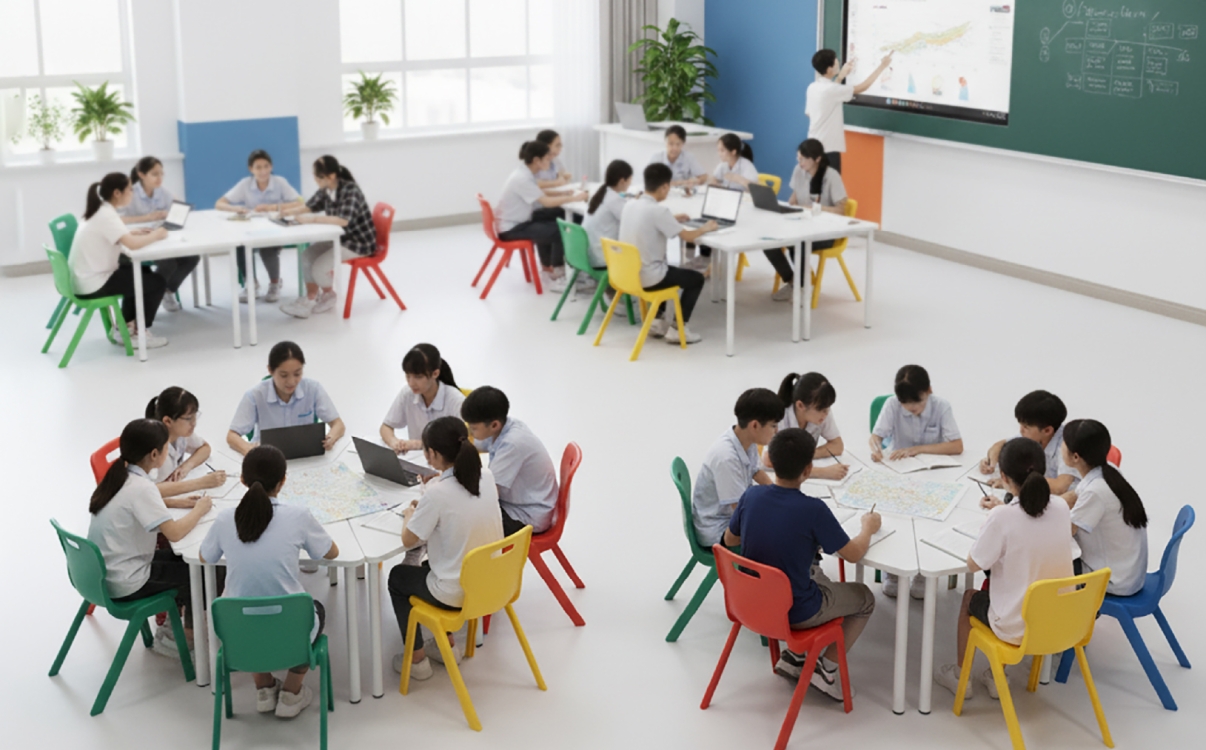
Active Learning Environments Foster a Generation That Dares to Innovate and Execute
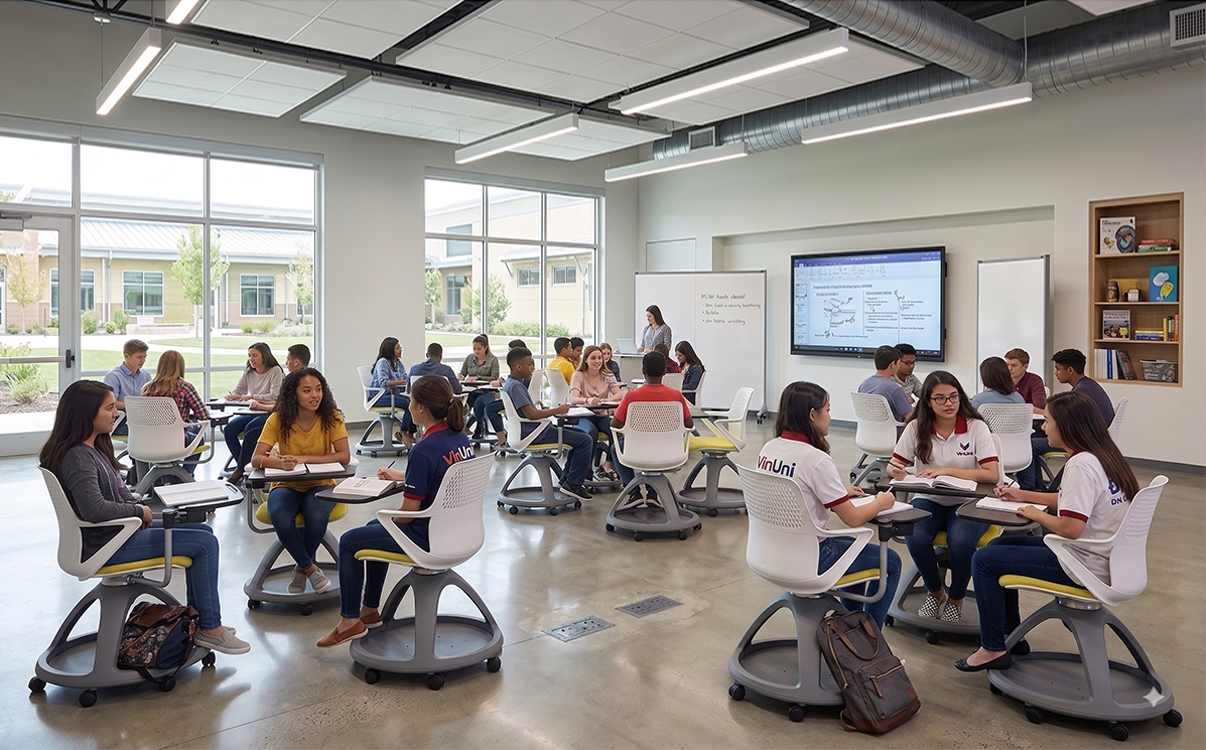
Leading schools worldwide have transitioned from a passive learning model to an active learning model (Active Learning). This represents more than just a new teaching approach; it is a complete change in mindset where students participate in the learning process instead of merely receiving one-way instruction. While traditional classrooms focus on listening and note-taking, Active Learning stresses experience and interaction.
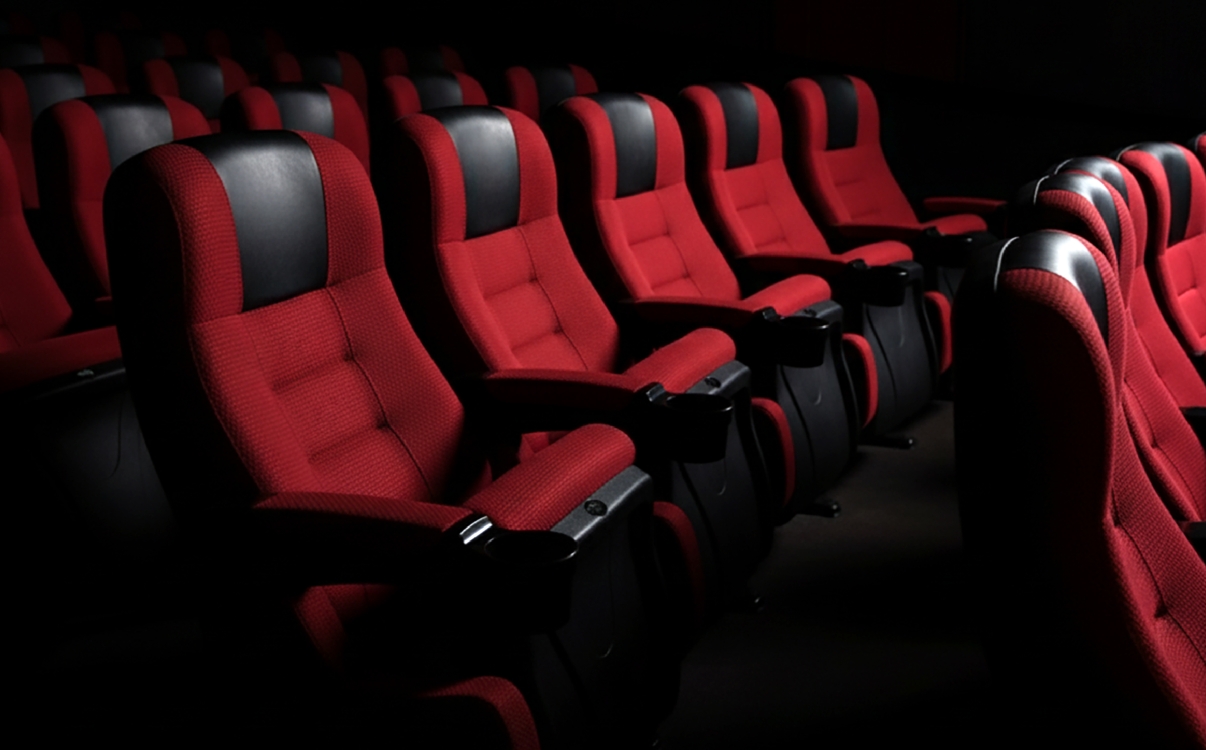
RPB Cinema Seating Collection, where every moment in the theater becomes unforgettable
In a movie theater, every sense is guided by light, sound, and the cinematic space. Yet the first thing that truly shapes the viewer’s emotions is not the size of the screen or the sound effects, but the seat they sit in for two straight hours. A comfortable chair allows the audience to be fully immersed in the story. In contrast, a chair that is hard, uneven, or lacks proper support distracts them, forces them to constantly change position, and breaks their concentration.
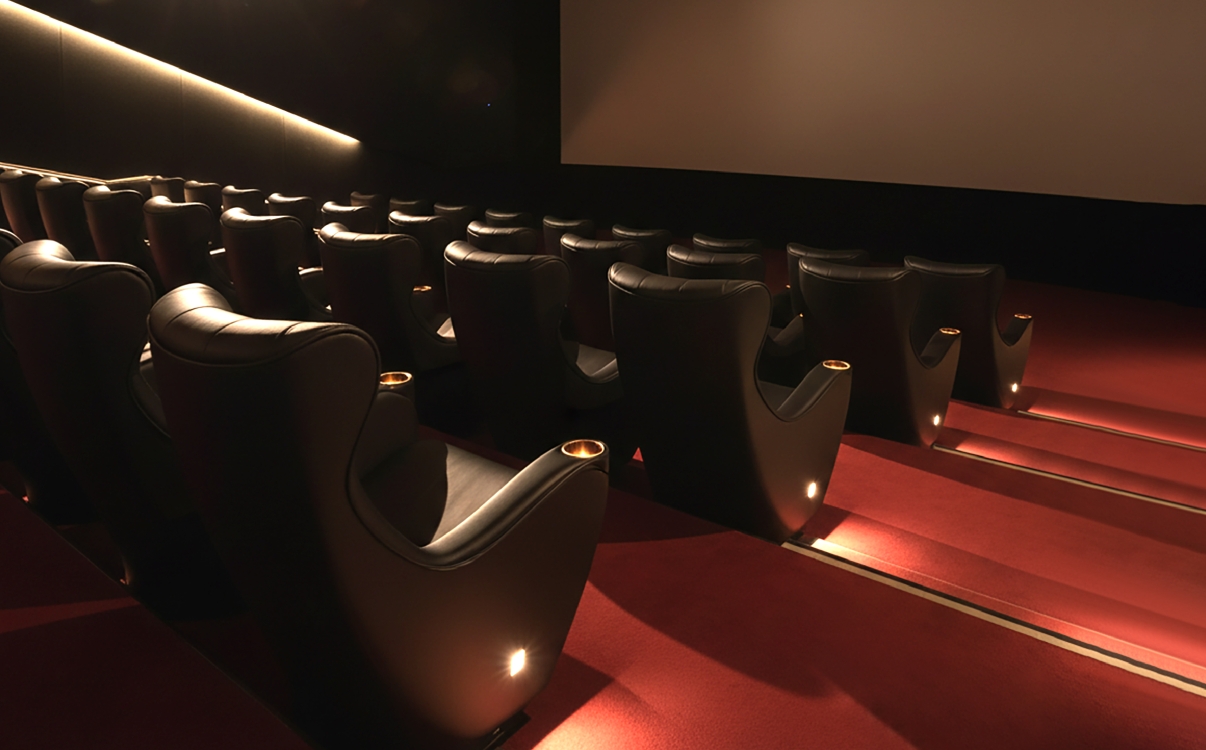
Ergonomic design that elevates every cinematic emotion
The cinematic experience is not only about a wide screen, surround sound, or sophisticated lighting – it begins with the very seat the audience sits in. Over the course of two hours, viewers are not only following the story on screen, but also listening to their own bodies: feeling relaxed, cushioned, and at ease, or constrained and fatigued.
A properly designed ergonomic cinema chair can completely transform that experience. It is not just a place to sit, but a space that supports every shade of emotion. When the body is relaxed, the mind opens up, emotions flow naturally, and every frame becomes more complete.
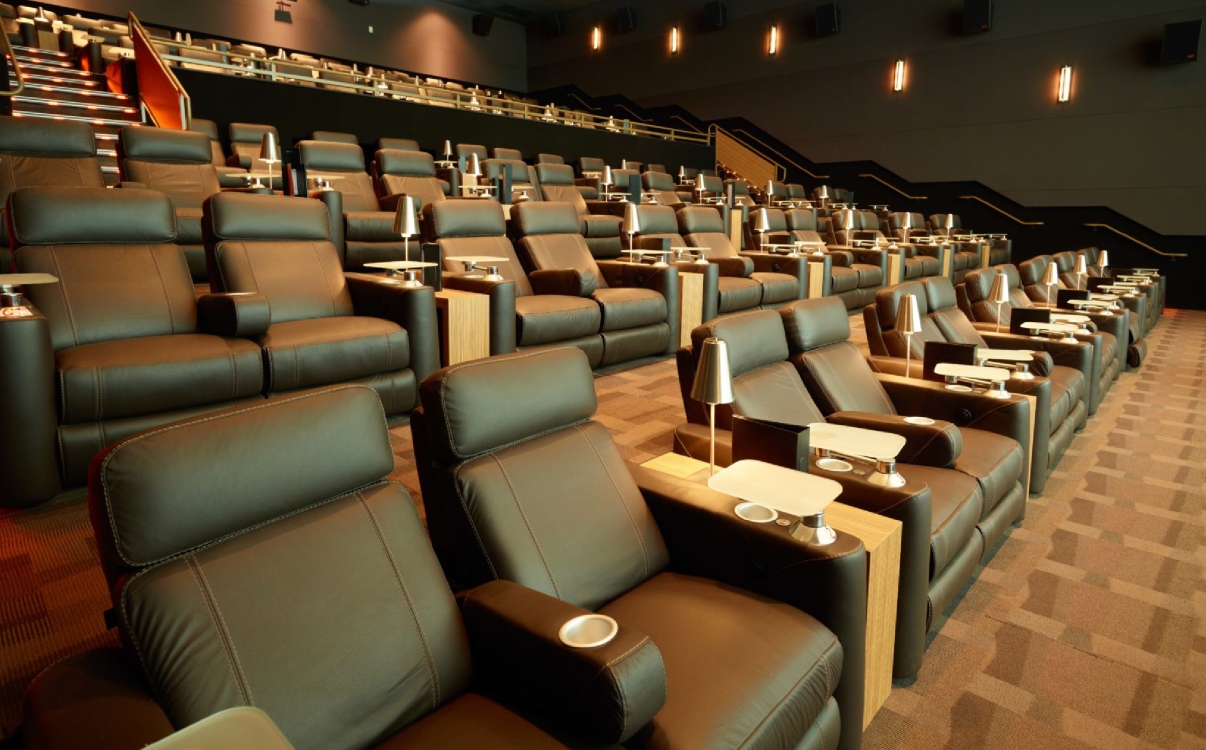
When your cinematic experience begins with the perfect seat
When the lights in the cinema slowly dim, the screen brightens and sound fills the room, that is the moment when all the senses awaken. Yet few people realize that the true cinematic experience does not begin with images or sound, but with the very seat they are sitting in. A perfect cinema chair not only helps the audience relax for two straight hours, but also cradles their emotions, allowing them to be fully immersed in the world of film.

RPB Education & Public Cinema Seating Collection – When the Entertainment Experience Becomes an Art of Emotion
In the world of light, sound, and emotion, a cinema seat is not just a place to sit—it is where emotions begin. A film can make the audience laugh, cry, or fall silent in thought, but it is the seat they occupy that truly holds those moments.
With over 18 years of experience in the public furniture and cinema industry, RPB Education & Public introduces the 2025 Cinema Seating Collection, delivering world-class standards that perfectly combine ergonomic design, technical specifications, and modern aesthetics.
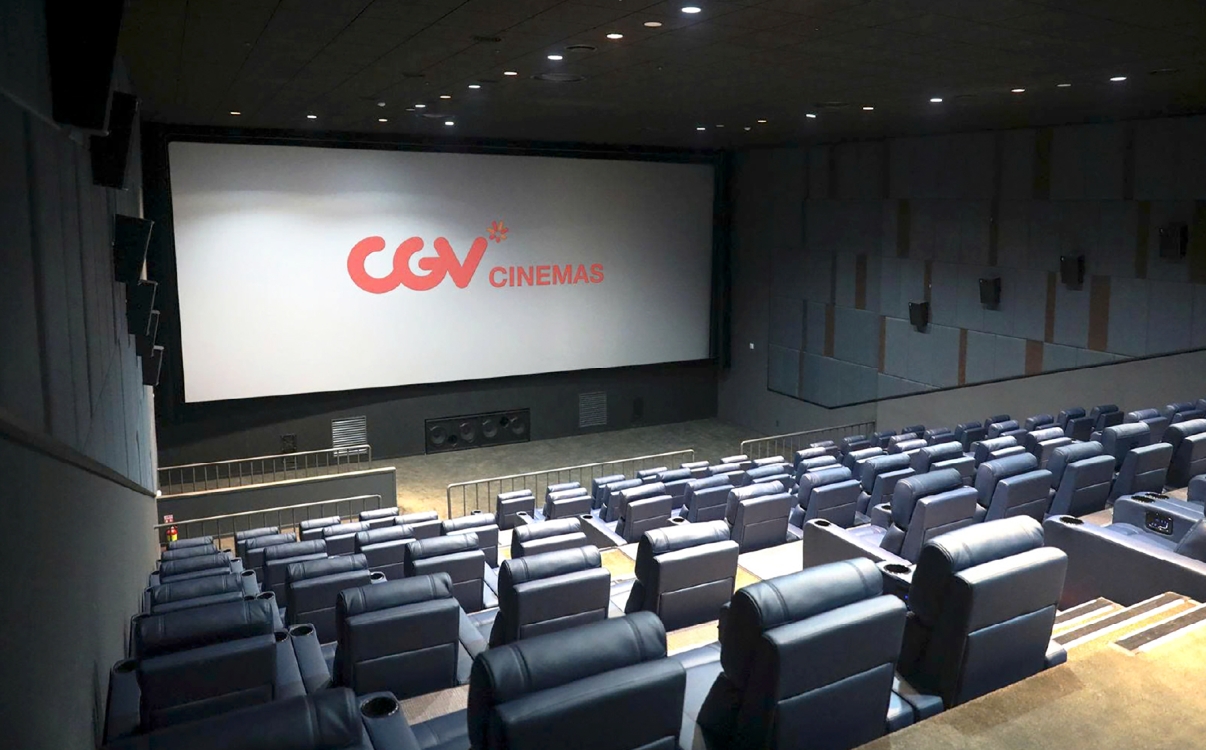
RPB Education & Public Launches the 2025 Public Seating Collection: Shaping the Future of Spatial Experience.
In the post-pandemic era, as digital experiences take center stage, public spaces are being redefined. Users no longer just need "a place to sit"—they demand a comfortable, connected, and emotionally engaging experience.
From university lecture halls and international convention centers to blockbuster cinemas and sports stadiums, the standard for seating has changed. It is no longer enough to be durable; seating must also be beautiful, ergonomic, and smart.

A waiting bench is more than just a seat — it is a symbol of enduring companionship through time
In public spaces where people constantly come and go — from bustling international airport terminals to quiet hospital corridors and modern customer service centers — there are silent elements that play an essential role. A waiting bench is not merely a temporary resting place; it is a symbol of professionalism, attentiveness, and respect for the user.
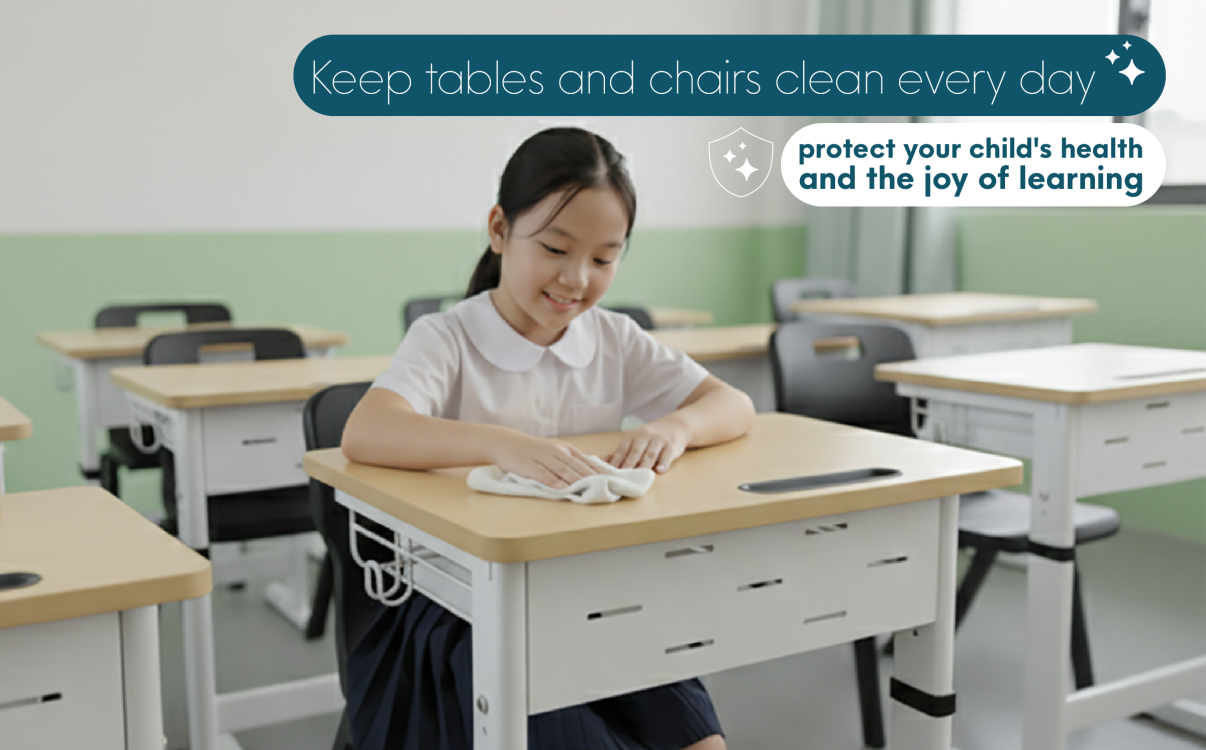
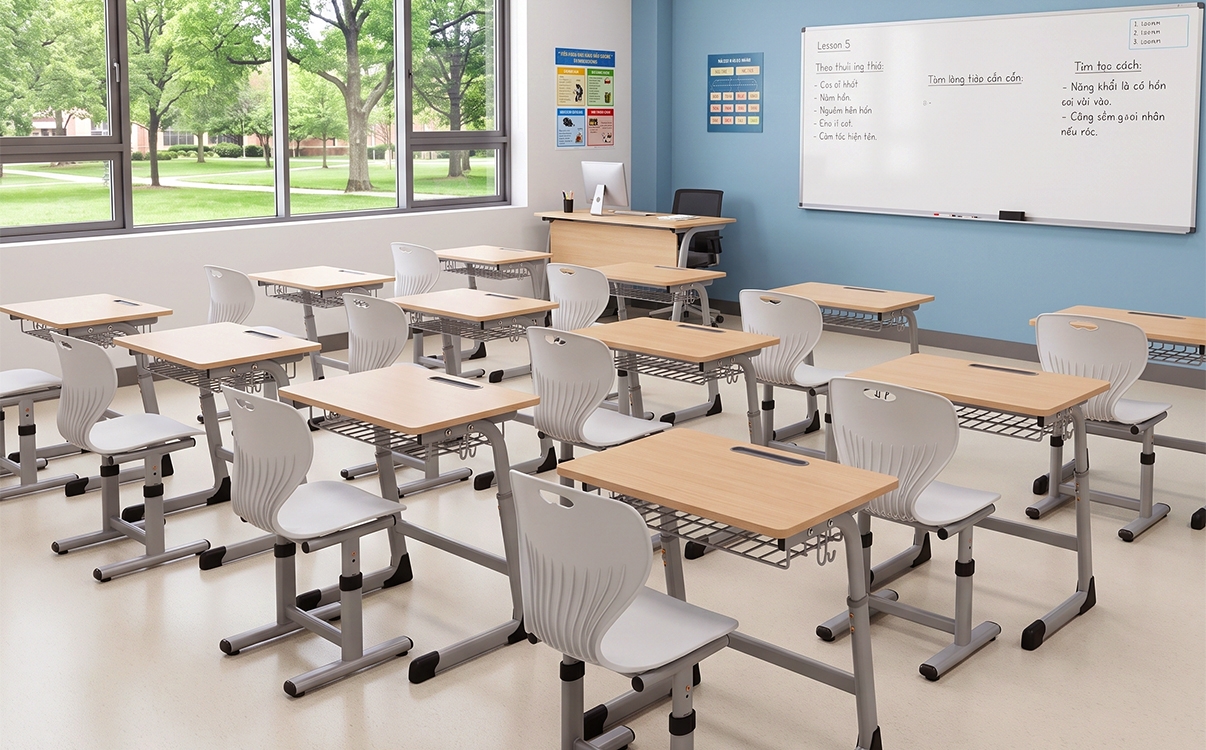
How to Clean and Maintain School Desks and Chairs for Lasting Durability
School desks and chairs are familiar companions that accompany students every day. They are not merely learning tools but also have a direct impact on students’ health, posture, and study motivation. Therefore, proper cleaning and maintenance play a crucial role in keeping the furniture durable, safe, and contributing to a modern, clean, and comfortable learning environment.
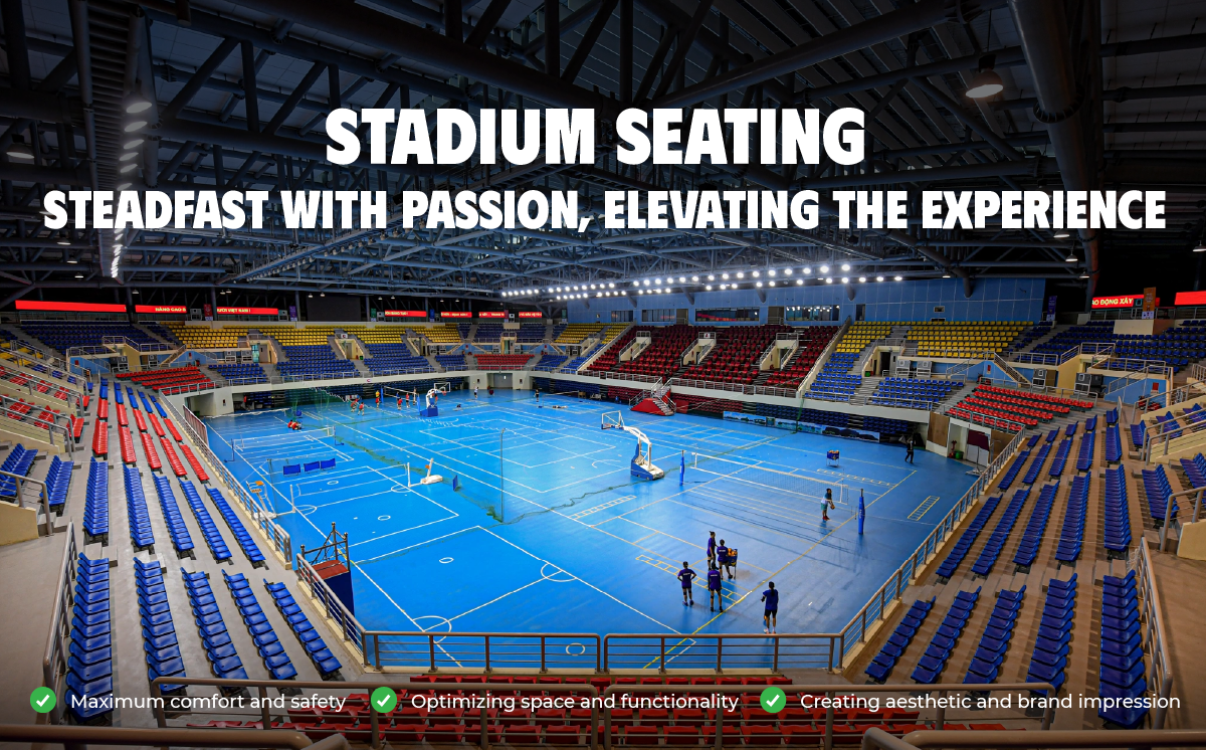
Stadium seats – Standing strong with passion, elevating the experience
A modern stadium is not only about a beautiful pitch, a standard lighting system, or spacious stands. There is a subtle yet crucial element that directly determines the comfort, safety, and professionalism of the venue: the stadium seats.
If the pitch provides the ideal playing field for athletes, then the grandstand seats are where emotions are conveyed, allowing spectators to immerse themselves in every moment of the match or event. For schools, sports centers, or multi-purpose arenas, investing in a high-quality seating system is a long-term and strategic step.
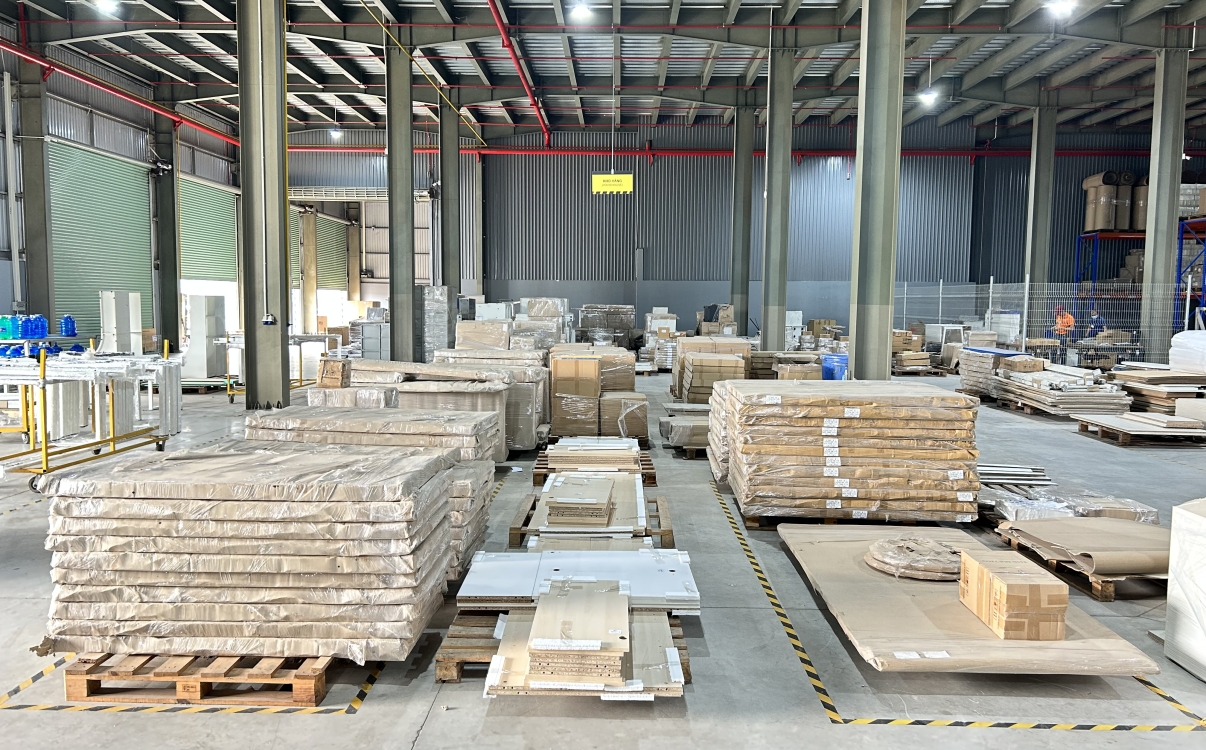
Inside RPB Education & Public Factory – The birthplace of Vietnam’s leading educational and public interior solutions.
When it comes to internationally standardised school desks and chairs, auditorium seats, and cinema chairs, few people know that behind them is a modern, closed-loop production process at RPB Education & Public’s factory – where each product is created with dedication, advanced technology, and the highest quality standards.
SITTO Waiting Bench – The Ideal Solution for Hospitals & Public Areas
In public spaces such as hospitals, schools, airports, or government offices, the waiting area is often a reflection of professionalism and thoughtful design. Therefore, choosing a waiting bench that is not only durable and easy to clean but also aesthetically pleasing is of utmost importance. The Sitto bench, a product line from RPB Education & Public, offers a comprehensive solution for all modern and professional waiting areas.

InSchool chooses JXP auditorium chair – A smart, flexible solution for modern educational spaces
When redesigning its auditorium, InSchool had a clear set of expectations. RPB Education & Public responded with the perfect solution – the JXP Auditorium Chair.

Professional waiting space at City International Hospital – Completed by RPB Education & Public
A hospital waiting area is more than just a resting spot—it reflects the care and respect extended to patients and their families.

Ergonomic Furniture: A Solution to Elevate Modern Learning & Working Spaces
Ergonomic furniture is not just a trend but a mandatory standard in modern educational design. If you want your students, staff, and faculty to study and work in a healthy, productive, and safe environment, investing in ergonomic furniture is an essential choice.