


How to Clean a Sofa Properly to Keep It Always Clean and Durable
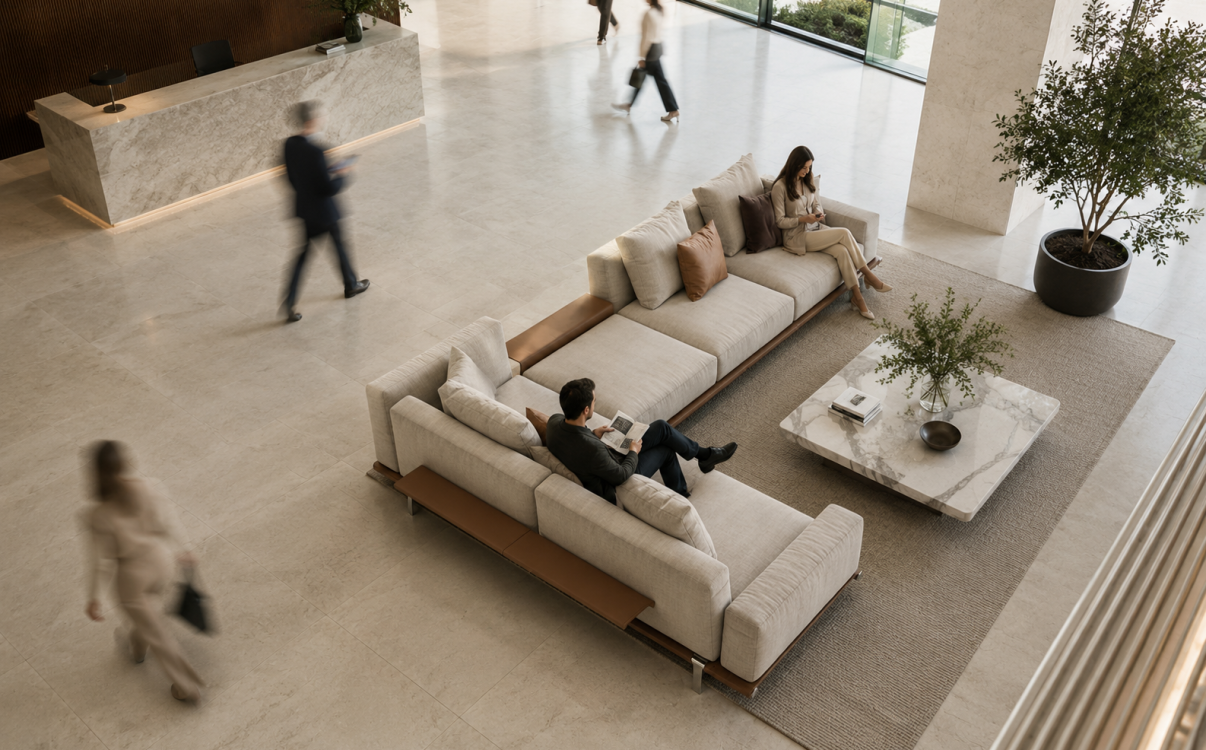
The sofa is a piece of furniture used frequently in many spaces such as family living rooms, offices, reception areas, lounges, showrooms or waiting lounges. It is where people sit to rest, chat, receive guests, work for short periods or relax after a long day. Due to this high frequency of use, sofas are very prone to dust accumulation, bacteria buildup, stains, odors and deterioration if not cleaned properly.
Unlike solid-surface furniture such as tables, shelves or cabinets, sofas generally have a more complex structure consisting of a frame, seat cushions, backrest, outer upholstery and crevices. These areas easily trap fine dust, food crumbs, pet hair, sweat or musty odors. If left for a long time, stains can penetrate deep into the material, making cleaning more difficult.
Proper sofa cleaning not only keeps the sofa clean but also helps maintain durability, preserve color, protect the material and enhance the quality of the living space. A clean sofa creates a pleasant feeling when used, while also helping the living room, office or reception area maintain a neat and professional appearance.
However, not all sofas can be cleaned the same way. Leather sofas, fabric sofas, velvet sofas and wood-frame sofas with cushions all have their own characteristics. If the wrong solution is used, too much water is applied or excessive scrubbing is done, the sofa surface can become faded, fuzzy, peeled, cracked or deformed. Therefore, before cleaning, users need to clearly understand the material and apply the appropriate method.

Why is it necessary to clean the sofa periodically?
Remove dust and bacteria
The sofa is where the body, clothing and personal items come into direct contact every day. Even if the surface looks clean, the sofa can still accumulate fine dust, dead skin cells, hair, pet hair and bacteria. These impurities often reside in crevices, seams, and the contact points between the seat cushion and the backrest.
If not cleaned periodically, the sofa can become a place where dust accumulates in the space. This not only affects aesthetics but also reduces comfort when using it. For families with young children, elderly people, pets or offices where many people share the sofa, regular cleaning needs to be given special attention.
Vacuuming the sofa regularly is a simple but very effective step. This helps remove surface dust before it becomes embedded in the material, thereby helping the sofa stay clean longer and making it easier to deep clean when needed.
Effectively remove odors
After a period of use, the sofa can develop odors due to various causes such as sweat, food, drinks, humidity, pets or poorly ventilated spaces. These odors are particularly prone to adhere to fabric, felt and velvet sofas because these materials have higher absorbency than leather.
Odors on the sofa not only cause discomfort but also reduce the quality of the space. In the living room, a smelly sofa affects the family's daily experience. In the office or reception area, an unclean sofa can create an unprofessional impression on customers, partners or users.
Periodic sofa cleaning helps eliminate odor sources, refresh the sofa surface and keep the space pleasant. In cases of musty or pet odors that have persisted for a long time, more thorough treatment is needed to prevent the odor from returning shortly after.
Maintain sofa color and material durability
Dust, body oils, sunlight, humidity and old stains can cause the sofa to become dull, faded or lose its original beauty. For leather sofas, if not wiped and conditioned regularly, the surface can become dry, cracked or flaked. For fabric sofas, dust can cause the fabric color to become less vibrant, the surface to become fuzzy or appear discolored patches. For velvet sofas, improper cleaning can ruin the pile and natural sheen.
Proper cleaning helps maintain the color and texture of the sofa. This is especially important for light-colored sofas, high-end sofas or sofas placed in prominent positions in the space. When the sofa retains its beauty for a long time, the overall interior also becomes more polished and luxurious.
Increase the lifespan of the sofa
A sofa can be used for many years if properly cared for. Conversely, if dust, moisture and stains are allowed to accumulate for too long, the upholstery and inner cushioning can deteriorate more quickly. Cushions can become permeated with odors, lose their resilience, and the outer covering can become worn, cracked or deformed.
Regular cleaning and maintenance helps protect both the surface and the internal structure of the sofa. This is a way to extend the product's lifespan, minimize repair, reupholstering or replacement costs in the future.

Notes before cleaning the sofa
Identify the sofa material
Before starting to clean, it is necessary to determine what material the sofa is made of. This is an important step because each material has different water resistance, friction tolerance and reaction to cleaning solutions.
Leather sofas typically require a soft cloth, specialized cleaning solution and leather conditioner to avoid surface cracking. Fabric sofas need thorough vacuuming, proper stain treatment and complete drying after cleaning. Velvet sofas require gentle handling, avoiding vigorous scrubbing to prevent fuzzing or loss of pile direction. Wood-frame sofas with cushions require separate cleaning of the wooden frame and the upholstered cushion parts.
If the material is not correctly identified, cleaning can damage the sofa faster rather than making it cleaner.
Check the manufacturer's cleaning instructions
Many sofa models come with cleaning instructions or material care symbols. Users should check this information before using cleaning solutions, water or steam cleaning machines.
Some types of fabric are only suitable for dry cleaning. Some removable covers can be washed but need to be washed on a gentle cycle. Genuine or high-end faux leather also requires specific solutions to avoid damaging the protective coating. Following the manufacturer's recommendations will help minimize risks and protect warranty rights if applicable.
Prepare appropriate cleaning tools
To clean the sofa effectively, it is advisable to prepare all necessary tools beforehand. Basic tools include a vacuum cleaner with a soft brush attachment, microfiber cloths, a soft-bristled brush, a spray bottle, specialized cleaning solution, dry towels and gloves.
For fabric or felt sofas, baking soda can be prepared to assist with mild odor removal. For leather sofas, a specialized leather conditioner should be available after the cleaning step. For wooden sofas, a soft dry cloth is needed to wipe again after using a damp cloth.
Hard brushes, scouring pads, rough cloths or strong detergents should not be used as they can scratch, fade or damage the sofa surface.
Test the solution on a small area before full cleaning
Before using any solution, it should be tested on a small, inconspicuous area such as the back of the sofa, the lower corner or the hidden side of the sofa. After testing, observe whether the surface has faded, discolored, peeled or changed in texture.
If the surface shows no abnormal reaction, cleaning can proceed on a larger scale. This step is particularly important for dark-colored sofas, velvet sofas, faux leather sofas or materials of unknown origin.
Instructions for cleaning sofas by material type
How to clean a leather sofa
Leather sofas are loved for their luxurious appearance, easy-to-clean surface and suitability for many modern spaces. However, leather sofas also need careful cleaning to avoid dryness, cracking or peeling.
First, use a soft cloth or a vacuum cleaner with a soft brush attachment to remove dust from the surface and crevices. Then, use a slightly damp cloth to gently wipe the entire sofa. Do not use a cloth that is too wet as water can seep into the seams or affect the upholstery.
For common stains, use a specialized cleaning solution for leather. Dampen a soft cloth with the solution, then wipe gently in a circular motion. Do not pour the solution directly onto the sofa surface as it may cause discoloration or localized dampness.
After cleaning, use a dry cloth to wipe away any remaining moisture. If it is genuine or high-quality leather, condition it periodically to maintain softness, limit cracking and keep the surface shiny.
Avoid using alcohol, bleach, aromatic solvents, concentrated dishwashing liquid or strong chemicals. These substances can strip the protective layer on the leather surface, causing the sofa to deteriorate quickly.
How to clean a fabric sofa
Fabric sofas offer a soft, cozy feel and are easy to match with interiors. However, this material is also prone to dust accumulation, water absorption and odor retention. Therefore, it needs regular cleaning and proper stain treatment.
The first step is to vacuum the entire sofa surface. Pay special attention to crevices, seams, the backrest and the area under the cushions if they are removable. Vacuuming helps remove fine dust and prevents stains from penetrating deep into the fabric fibers.
For light stains, use a soft cloth dampened with a small amount of fabric sofa cleaner and dab gently onto the stain. Do not scrub vigorously as it may spread the stain or cause the fabric surface to become fuzzy. After treatment, wipe with a clean damp cloth and use a dry cloth to absorb excess moisture.
If the sofa has removable covers, they can be washed according to the manufacturer's instructions. Avoid washing with water that is too hot or drying directly under intense sunlight as it can cause shrinkage, fading or deformation. After cleaning, allow the sofa to dry completely before reuse to prevent mold.
How to clean a velvet sofa
Velvet sofas have a soft, luxurious beauty and are often used in spaces requiring an aesthetic focal point. However, velvet is quite sensitive and easily leaves marks if not cleaned in the direction of the pile.
When cleaning a velvet sofa, use a vacuum cleaner with a soft brush attachment to remove surface dust. Then, use a soft-bristled brush to gently brush in the direction of the pile. Brushing in the correct direction helps keep the velvet surface even in color and minimizes fuzzing.
If stains appear, use a clean cloth to blot gently rather than scrubbing vigorously. For wet stains, blot from the outside toward the center to avoid spreading. If a cleaning solution is needed, choose one suitable for velvet and test it on a small area first.
Velvet sofas should not be exposed to too much water. After cleaning, place the sofa in a well-ventilated area, avoid high heat or direct sunlight as it can affect the fabric surface.
How to clean a wood-frame sofa with cushions
Wood-frame sofas with cushions typically have two different material groups, so each part needs separate cleaning. The wooden frame needs to be wiped gently, while the cushions need treatment according to their outer upholstery material.
For the wooden frame, use a slightly damp soft cloth to wipe away dust, then immediately wipe again with a dry cloth. Do not let water pool on the wood surface as it can cause dampness, swelling or affect the paint finish. If the wood has a special finish, use an appropriate wood care solution.
For the cushions, if upholstered in fabric, vacuum and treat stains as you would a fabric sofa. If upholstered in leather, wipe with a soft cloth and leather-specific solution. If the cushion covers are removable, they can be washed separately according to instructions.
Wood-frame sofas with cushions should be placed in a dry area, away from high humidity and prolonged direct sunlight to protect both the frame and cushions.

How to handle common stains on sofas
Coffee and soft drink stains
When coffee or soft drinks are spilled on the sofa, the stain needs to be treated immediately while still fresh. First, place a paper towel or clean cloth over the stain to absorb excess liquid. Do not rub vigorously as this can push the liquid deeper into the cushion.
Then, use a soft cloth dampened with an appropriate cleaning solution and dab gently onto the stained area. For fabric sofas, work from the outside toward the center to prevent the stain from spreading. Finally, wipe with a clean damp cloth and let the sofa air dry naturally.
Grease stains
Grease stains are often difficult to treat because they easily penetrate deeply and leave marks. For fabric or felt sofas, sprinkle a thin layer of baking soda or absorbent powder on the grease stain, leave it for a short time, then vacuum clean. After that, continue treatment with a suitable cleaning solution.
For leather sofas, use a soft cloth to wipe gently as soon as the grease stain is fresh. Do not use strong detergents as they can cause discoloration or damage the surface coating. If the grease stain has been set for a long time, consider using a professional cleaning service.
Ink stains
Ink stains need to be handled carefully. Do not scrub vigorously as the ink can spread. Use a clean cloth to gently blot fresh ink. Then, test a specialized cleaning solution on a small area before treating directly.
For light-colored leather or high-end fabric sofas, do not arbitrarily use alcohol or strong solvents unless you are certain the material can withstand them. In case of large ink stains or ones that have been set for a long time, seek professional sofa cleaning services to reduce risks.
Pet or musty odors
Pet odors and musty smells often persist, especially on fabric, felt and velvet sofas. First, vacuum the entire sofa thoroughly. Then, you can sprinkle baking soda over the surface, leave it for about 15-30 minutes and then vacuum it off. This helps with mild odor removal and refreshing the sofa surface.
If the sofa has a heavy musty smell, check the inner cushioning. If the cushion is deeply damp, surface cleaning alone will not be enough. In that case, use a professional deep-cleaning service to treat the odor from inside.
Long-set food stains
Dry food residue should be carefully removed before using cleaning solution. Use a plastic spoon or soft cloth to lift surface residue. Do not use sharp objects as they can tear the fabric or scratch the leather.
After that, use a cleaning solution suitable for the sofa material and gently wipe layer by layer. For old stains, be patient and treat multiple times rather than using strong chemicals for a quick fix.

Common mistakes when cleaning a sofa
Using too much water during cleaning
Using a lot of water does not make the sofa cleaner but can cause mold, odors and damage to the inner cushioning. Especially for fabric, felt, velvet and wood-frame sofas with cushions, water penetrating deeply can make the sofa slow to dry and prone to unpleasant odors.
When cleaning, only use a moderately damp cloth or a light spray solution. Afterwards, the sofa needs to be dried in a well-ventilated area.
Using strong chemical detergents
Strong chemical detergents may clean quickly but easily cause fading, peeling, surface dryness or weaken fabric fibers. This is the reason why sofas deteriorate faster after cleaning.
It is best to use specialized solutions for each material. If unsure, test on a small area first or consult the sofa supplier.
Scrubbing the sofa surface too vigorously
Many people have the habit of scrubbing hard to clean stains. However, this action can cause fabric fuzzing, leather scratches, loss of velvet pile or spread the stain further.
The correct approach is to blot gently, wipe gently and repeat steps as needed. For tough stains, do not try to clean with excessive force but use a more suitable method.
Not cleaning periodically
Only cleaning when the sofa is already very dirty is a common mistake. When dust and stains have been present for a long time, cleaning becomes much more difficult. The sofa is also more prone to odors, fading and reduced lifespan.
Vacuum the sofa regularly and deep-clean periodically depending on usage frequency. For family sofas, basic cleaning can be done weekly and deep cleaning on a cycle. For offices, waiting lounges or public areas, cleaning should be more frequent.
Drying the sofa under intense sunlight
Strong sunlight can cause the sofa to fade, dry out leather, shrink fabric or affect the inner cushioning. After cleaning, let the sofa dry naturally in a well-ventilated area. If using a fan for assistance, use gentle airflow, avoiding direct high heat.

Tips to keep the sofa always clean and durable
Vacuum the sofa regularly
Vacuuming is the simplest way to keep the sofa clean. Vacuum the sofa surface, crevices, seams and the area under the cushions if they are removable. This helps reduce fine dust, pet hair and small debris accumulation.
Use sofa covers or decorative cushions
Sofa covers help limit dust from adhering directly to the sofa surface. Decorative cushions can also help reduce direct contact in some frequently used areas. However, covers and cushions also need regular washing to avoid dust buildup.
Limit eating and drinking on the sofa
Food and drinks are common causes of stains, odors and insects. If you often eat or drink on the sofa, use a tray and clean immediately when spills occur.
Place the sofa in a well-ventilated location
The sofa should be placed in a dry, airy area away from high humidity. Do not place the sofa too close to damp walls or areas prone to water splashes. For leather and dark-colored fabric sofas, also avoid direct harsh sunlight to minimize fading.
Perform periodic maintenance according to material
Each material requires different maintenance. Leather sofas should have surface conditioning periodically. Fabric sofas need regular vacuuming and odor treatment. Velvet sofas need gentle brushing in the direction of the pile. Wooden sofas need to avoid water pooling and be wiped dry after cleaning.
When should professional sofa cleaning services be used?
Sofa has been soiled for a long time
If the sofa has not been cleaned for a long time, dust and stains may have penetrated deeply into the surface or cushions. At this point, home cleaning may not be sufficiently effective. Professional sofa cleaning services have suitable equipment and solutions for deeper cleaning.
Sofa has stubborn odors
Pet odors, musty smells or food odors that have persisted for a long time are often difficult to completely remove by conventional methods. If you have already vacuumed and deodorized but the sofa still smells, use a professional deep-cleaning service to treat from inside.
High-end sofas requiring deep cleaning
For genuine leather sofas, high-end velvet sofas or sofas with special materials, improper self-cleaning can cause regrettable damage. Professional services help minimize risks and better protect the product's value.
Save time and ensure effectiveness
For offices, showrooms, lounges or waiting areas with many sofas, self-cleaning can be time-consuming. Professional services help clean faster, more uniformly and are suitable for spaces with continuous operational requirements.

Suggestions for choosing a sofa that is easy to clean and durable
Prioritize stain-resistant materials
When buying a sofa, prioritize materials that are easy to clean, limit dust adhesion and suit usage needs. Leather or faux leather sofas are often suitable for offices, waiting lounges and reception areas because they are easy to wipe. Fabric sofas can be suitable for families if they have stain-resistant properties or removable covers.
Choose a design that is easy to disassemble for cleaning
Sofas with removable cushion covers, modular separate sections or simple structures are more convenient to clean. Designs with fewer crevices also help limit dust accumulation, especially in office or public environments.
Choose a sofa suited to actual usage needs
Families with young children or pets should choose sofas with colors that do not easily show stains, materials that are easy to wipe and durable cushions. Offices or waiting lounges should choose sofas with sturdy construction, easy-to-clean surfaces and resistance to high usage frequency.
Choose products from a reputable supplier
A reputable supplier will provide clear advice on materials, cleaning methods, durability and warranty terms. This helps buyers choose a sofa model suitable for their space, easy to care for and long-lasting.
Conclusion
Proper sofa cleaning is an important factor in keeping the sofa always clean and beautiful, limiting odors, protecting the material and extending its lifespan. The sofa is a frequently touched piece of furniture, so regular cleaning not only helps maintain aesthetics but also contributes to creating a cleaner and more pleasant living and working environment.
Depending on each material such as leather, fabric, velvet or wood combined with cushions, users need to apply the appropriate cleaning method. Do not use too much water, strong chemicals or scrub too vigorously as these can accelerate sofa deterioration. In addition, simple habits such as regular vacuuming, immediate stain treatment, placing the sofa in a well-ventilated location and periodic maintenance will help the product maintain its beauty for a long time.
If you are looking for quality sofa models that are easy to clean and suitable for various spaces, RPB Education & Public can assist in consulting sofa solutions according to actual needs.
Contact RPB Education & Public for consultation on quality sofa models that are easy to clean and suitable for living rooms, offices, waiting lounges, lounges and many modern spaces.
Related News




















Bench Desk - Optimizing Lecture Hall and Classroom Space
Explore bench desks for lecture halls, classrooms, and training centers. Learn about their structure, advantages, how to choose, and outstanding models at RPB Education & Public right below.

Kích thước ghế băng chờ inox, nhựa, nệm: Bảng thông số chi tiết nhất
Cập nhật bảng kích thước ghế băng chờ inox, nhựa, nệm theo 2–5 chỗ ngồi; kèm cách bố trí lối đi, chọn thông số phù hợp từng không gian như bệnh viện, trường học, văn phòng, bến xe.

What is a Stool? Classification, Uses and Standard Sizes
Learn what a stool is, popular types of stools, practical uses, standard sizes, and how to choose the right stool for your home, school, restaurant, and office.

Office Relocation Announcement – Elevating Your Experience
To enhance service quality, expand our workspace, and provide a better experience for our customers, we are pleased to announce the relocation of our office to a new address.

Announcement of product price adjustment
RPB Education & Public sincerely thanks our valued customers for your continued trust and partnership over the past years.

Smart Interior Design Solutions for Universities: Within a 300 Million VND Budget
Smart university interior design within a 300-million budget is not only a financial challenge but also a strategy to elevate the learning experience. With the right investment, it helps create modern, inspiring, and flexible spaces aligned with new teaching methods while optimizing long-term operating costs.

Environmental permit announcement
RPB Education & Public officially announces its environmental permit in accordance with current regulations, reaffirming the company's commitment to legal compliance, environmental protection, and sustainable development. This is an important step to ensure that all of RPB’s business and production activities are aligned with the goal of being environmentally friendly, safe for the community, and contributing to a greener future for the next generation.