


Training Chairs with Wheels for Modern Flexible Classrooms
In modern training spaces such as corporate training rooms, language centers, seminars, or multi-purpose classrooms, flexibility and comfort are increasingly prioritized. Not only is it necessary to ensure comfort during long periods of use, furniture must also support quick movement and rearrangement to suit different training models. This is also the reason why training chairs with wheels have become a popular choice in current educational and office projects.
With a flexible design, easy mobility, space-saving features, and suitability for various classroom layouts, training chairs with wheels are an effective furniture solution for modern training spaces. The product helps classrooms operate more conveniently, while creating a dynamic, professional learning environment that easily adapts to practical usage needs.
What are training chairs with wheels?
Training chairs with wheels are chairs designed for modern training rooms, classrooms, workshop areas, corporate training rooms, skill centers, or flexible learning spaces. Unlike traditional fixed chairs, this type of chair is equipped with wheels at the base, allowing users to easily change position without needing to lift and carry.
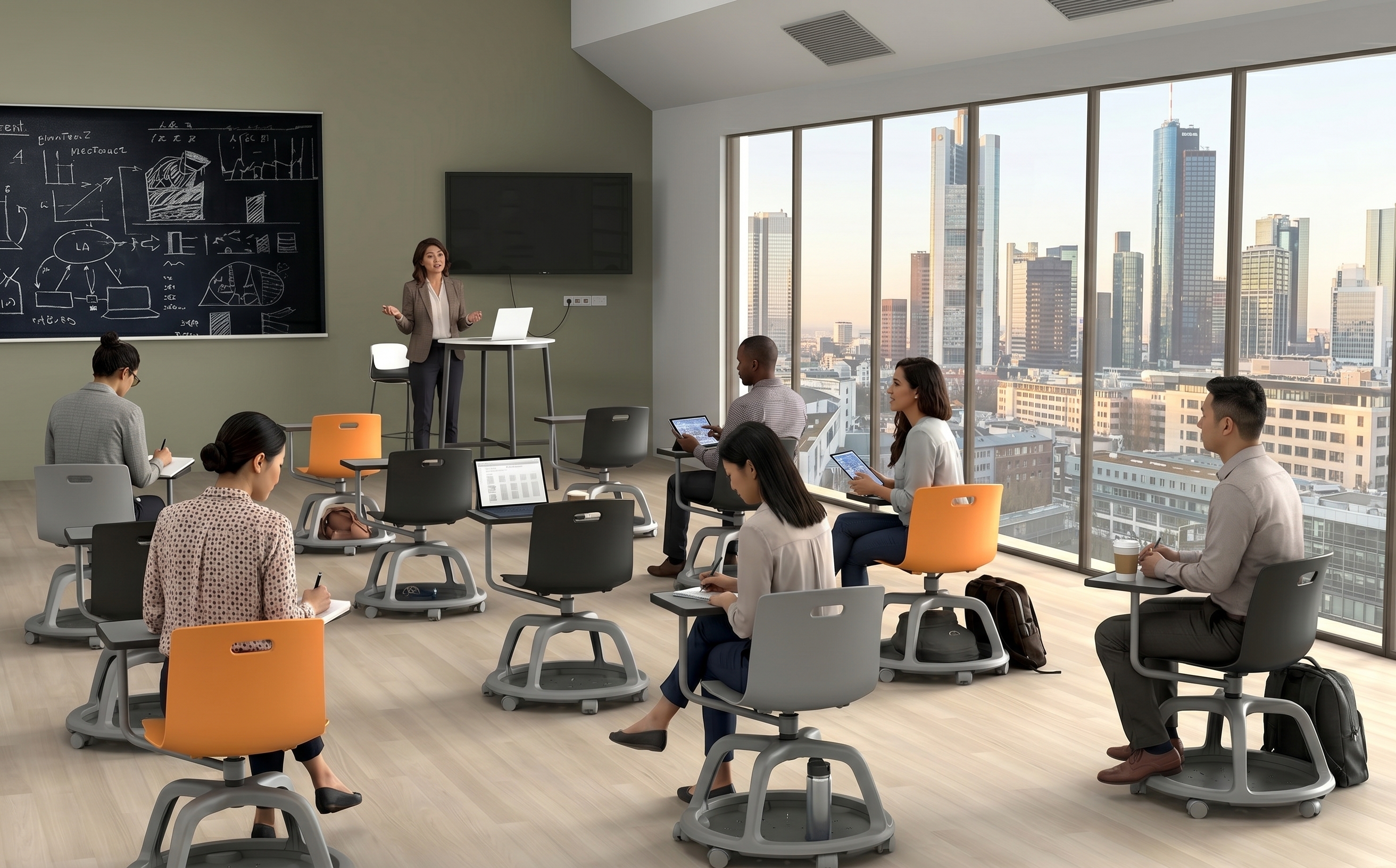
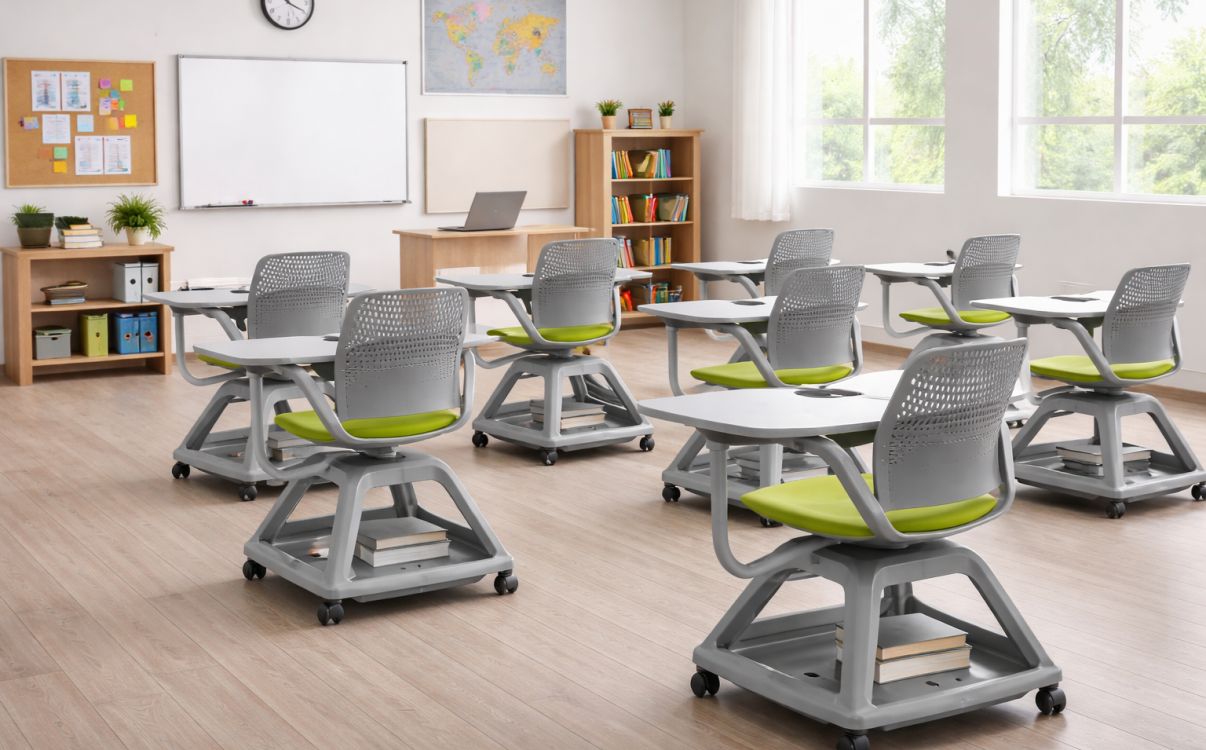
Depending on the product model, training chairs with wheels can come with various additional features such as a foldable writing tablet, breathable backrest, comfortable seat cushion, 360-degree swivel capability, storage compartment, or a lightweight design for easy space rearrangement. Some chair models are also developed ergonomically, supporting better sitting posture when learners participate in long training sessions.
The standout feature of this chair line lies in the ability to quickly restructure space. In just a few minutes, a classroom can change from a traditional layout to a group discussion model, U-shape, workshop, or open space. This is very suitable for modern training trends, where learners not only listen to lectures but also need to exchange ideas, interact, and work in teams frequently.
Distinction from traditional chairs
Traditional chairs usually have a fixed structure, are less flexible, and are more suitable for classrooms with a stable layout over long periods. When changes are needed, users have to carry chairs, drag chairs, or move entire desks and chairs, which is time-consuming and can easily scratch the floor.
Meanwhile, training chairs with wheels are designed to serve spaces that change continuously. The wheels allow the chairs to move smoothly, helping instructors and learners actively adjust their positions according to each activity. For classes requiring high interaction, this is a great advantage.
Additionally, many modern training chair models feature a compact design, breathable back, elastic cushion, foldable writing tablet, or flexible swivel capability. Thanks to that, the product not only meets the function of sitting for learning but also helps the training room become professional, comfortable, and suitable for various teaching formats.
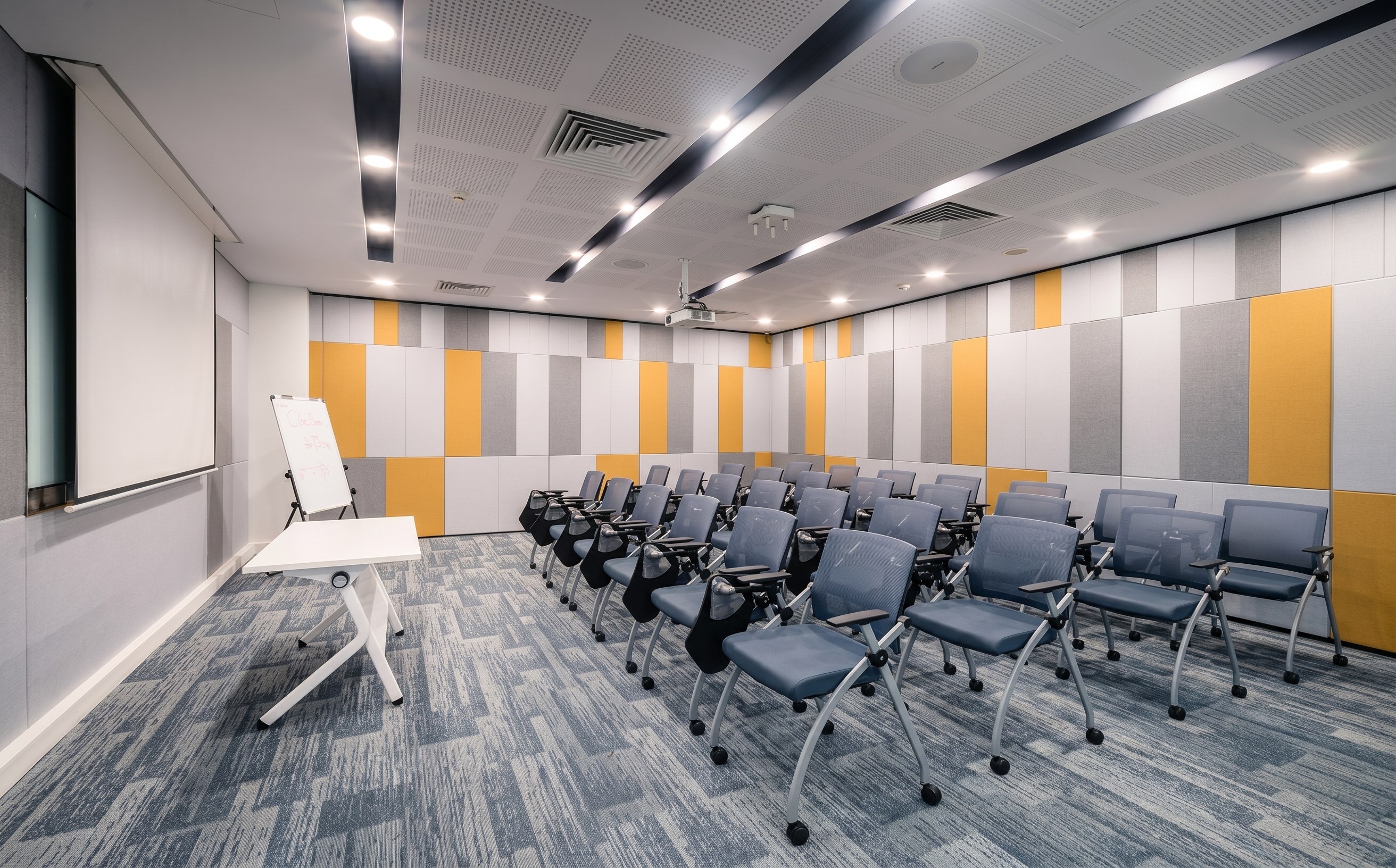
See more: Training chairs with tablets – Optimized furniture solution for training rooms
Why are training chairs with wheels an inevitable trend?
Suitable for the active learning trend
Modern education is moving towards the active learning model, meaning learners actively participate in the knowledge acquisition process through discussion, practice, critique, and teamwork. This model requires the classroom space to be flexible, easily changeable, and not limited by fixed desk and chair arrangements.
Training chairs with wheels support this trend well because they allow learners to easily turn, move, and connect with other class members. When needing to listen to lectures, chairs can be arranged in rows. When needing to discuss, students can quickly form small groups. When organizing workshops, the space can also be expanded or divided into flexible clusters.
Meets the need for space optimization
Many schools, training centers, and businesses today do not have much dedicated area for each function. One room can be used as a classroom, meeting room, workshop area, internal training area, or self-study space. Therefore, furniture needs to have high adaptability.
With a mobile design, training chairs with wheels help optimize usable space and limit the situation where space is "framed" into a single layout. When the purpose of use changes, the person in charge only needs to move the chairs instead of having to disassemble or rearrange the entire bulky desk and chair system.
Suitable for corporate internal training activities
Businesses are increasingly focusing on staff training through onboarding sessions, skill training, product training, internal workshops, and specialized team meetings. These activities often require continuously changing layouts to suit each content.
Training chairs with wheels help corporate training rooms operate more flexibly. Staff can easily switch from listening to presentations to group discussions or situational practice. This makes training sessions less passive, increases interaction, and improves information retention.
Brings long-term investment efficiency
Investing in training chairs with wheels is not just about buying chairs for a specific classroom. It is also a solution to improve long-term space usage efficiency. A training room with flexible furniture can serve many different purposes, from teaching and seminars to internal training and teamwork.
When choosing the right product with a durable structure, sturdy wheels, easy-to-clean materials, and suitable design, the user unit can reduce maintenance costs, limit frequent replacements, and optimize operating budgets.
See more: 5+ quality training chair models at RPB Education & Public
Benefits of training chairs with wheels in modern classrooms
Increases space flexibility
The greatest benefit of training chairs with wheels is the ability to change layouts quickly. With the same classroom, instructors can flexibly switch between many models such as lecture, group discussion, workshop, U-shaped class, or open interactive activities.
This is especially suitable for modern classrooms, where teaching methods are not limited to one-way transmission. When learners need to discuss in groups, chairs can be pulled together. When needing to present, chairs can be turned towards the screen or instructor. When needing to practice, space can be quickly expanded.
Saves time and operational effort
With fixed chairs, changing the classroom layout often takes a lot of time and requires many people to assist. Meanwhile, training chairs with wheels make this process easier. Users can move the chairs to desired positions without heavy lifting.
This saves preparation time before each class, especially for training centers or businesses with dense room usage schedules. Space is arranged faster, classes start more on time, and the operations team also reduces pressure during setup.
Optimizes usable space
Training chair models with wheels often have a compact design, suitable for small and medium-sized classrooms. Some models with foldable writing tablets can replace separate desks, thereby freeing up more aisle space and increasing seating arrangement capacity.
For multi-purpose spaces, wheeled chairs also make cleaning, grouping, or separating clusters more convenient. When needing to convert a classroom into a workshop area, seminar area, or group activity area, users can quickly rearrange the chairs according to the intended use.
Enhances learner experience
A flexible classroom helps learners feel more proactive and comfortable. Instead of sitting fixed throughout the session, students can easily move, swivel chairs, discuss in groups, or interact with the instructor. This helps reduce feelings of passivity and increases connection within the classroom.
Besides mobility, many training chairs with wheels are also designed with breathable backrests, comfortable cushions, convenient writing tablets, or storage compartments. These details provide learners with a better experience, especially during long training sessions.
Popular types of training chairs with wheels at RPB Education & Public
RPB Education & Public currently offers many chair models suitable for flexible classrooms, corporate training rooms, self-study areas, and modern training spaces. Depending on usage needs, customers can choose chairs with writing tablets, chairs without tablets, armless chairs, or premium ergonomic chairs.
Chair with attached writing tablet
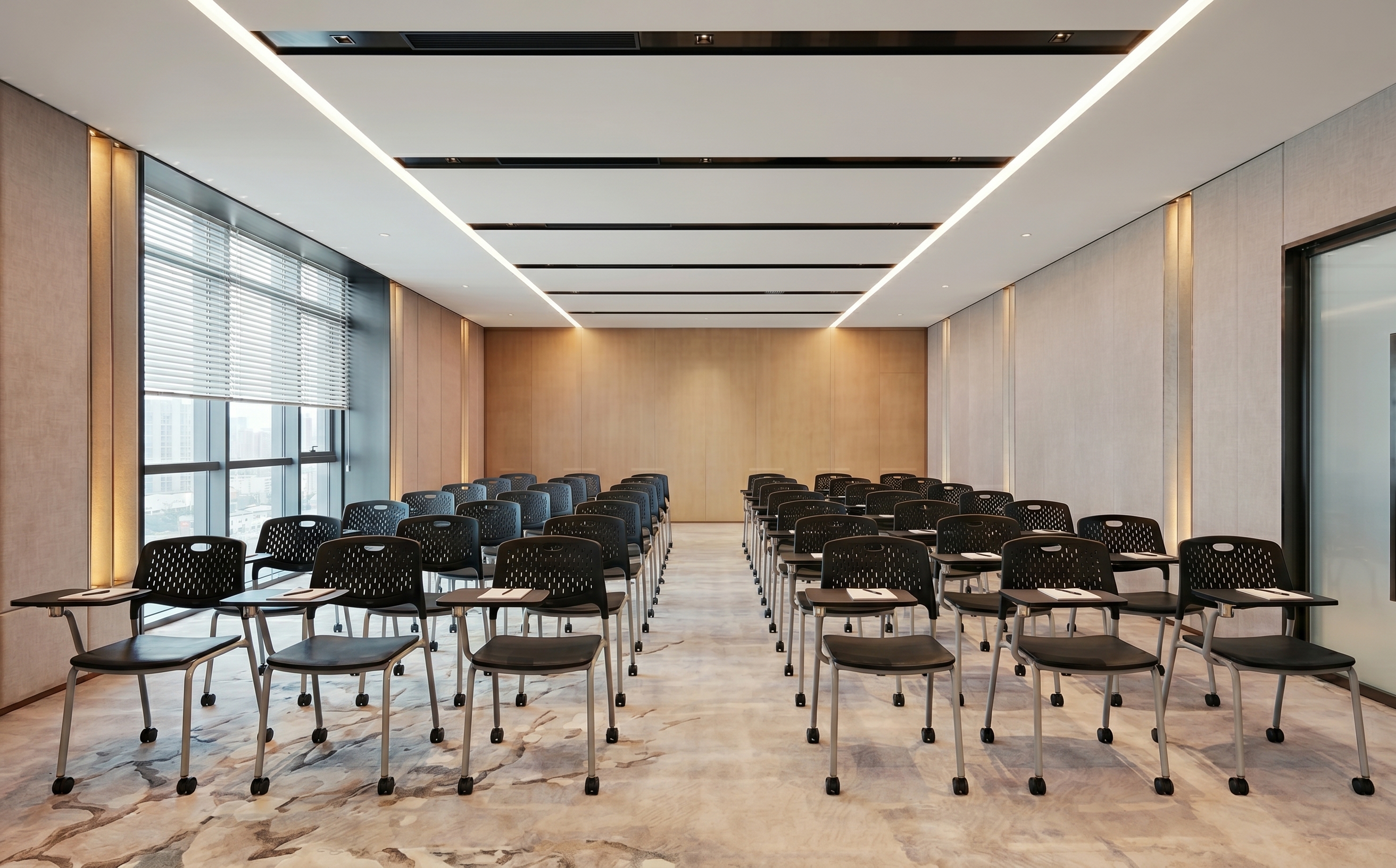
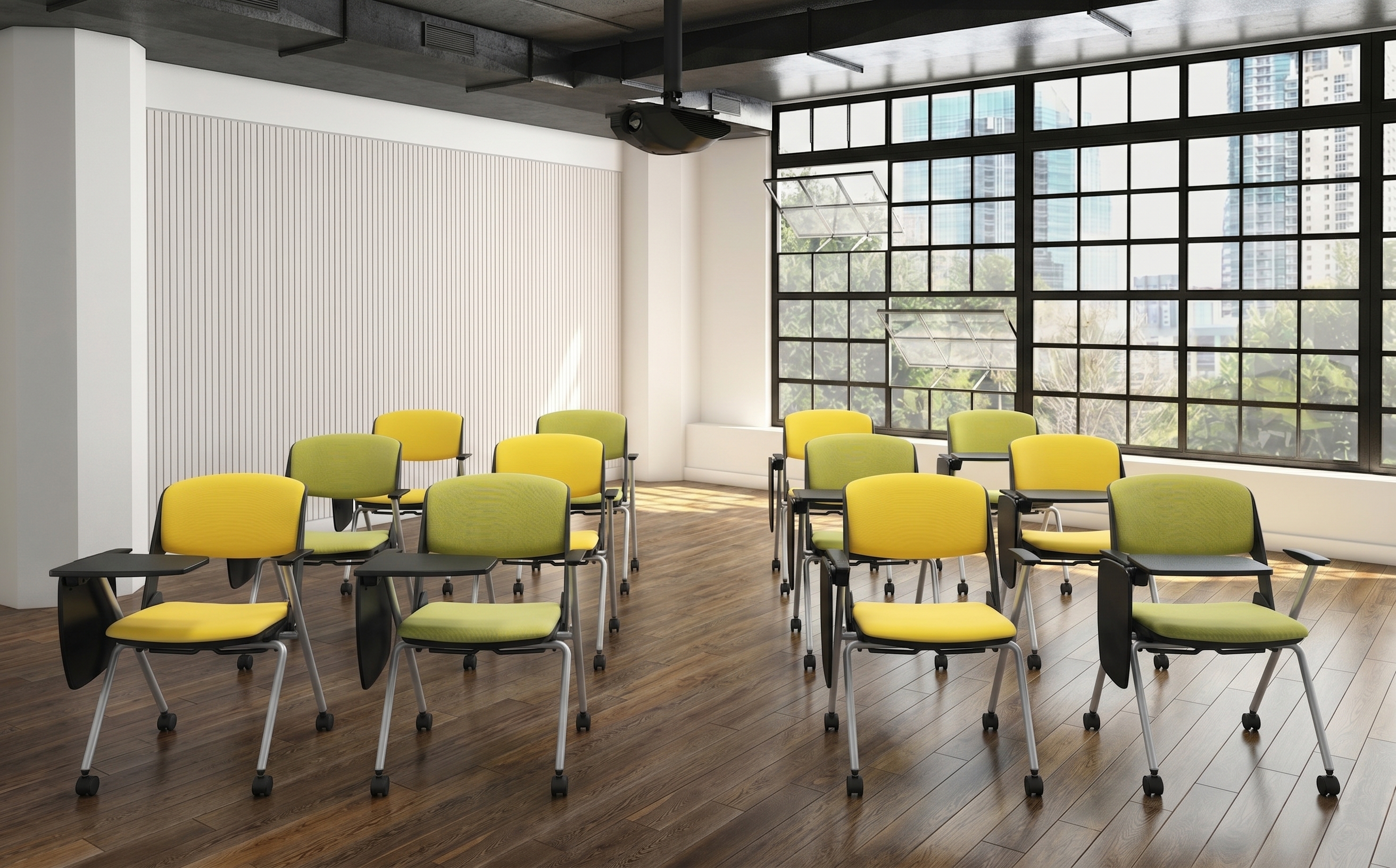
The Carte 02 training chair is a model suitable for theoretical classrooms, training centers, training rooms, or group meeting rooms that need to integrate seating and a writing tablet in the same product. The chair has a backrest and seat cushion made of high-quality hard plastic, armrest integrated with a plastic writing tablet, electrostatic painted steel frame, and black plastic wheels for flexible movement.
Carte 02's strengths lie in its compact and convenient design. Learners can take notes, place documents, or use a laptop without needing a separate table. The tabletop can be folded when not in use, making the classroom easy to restructure and suitable for high-density usage spaces.
See product: Carte 02
Chair without tablet, maximum flexibility
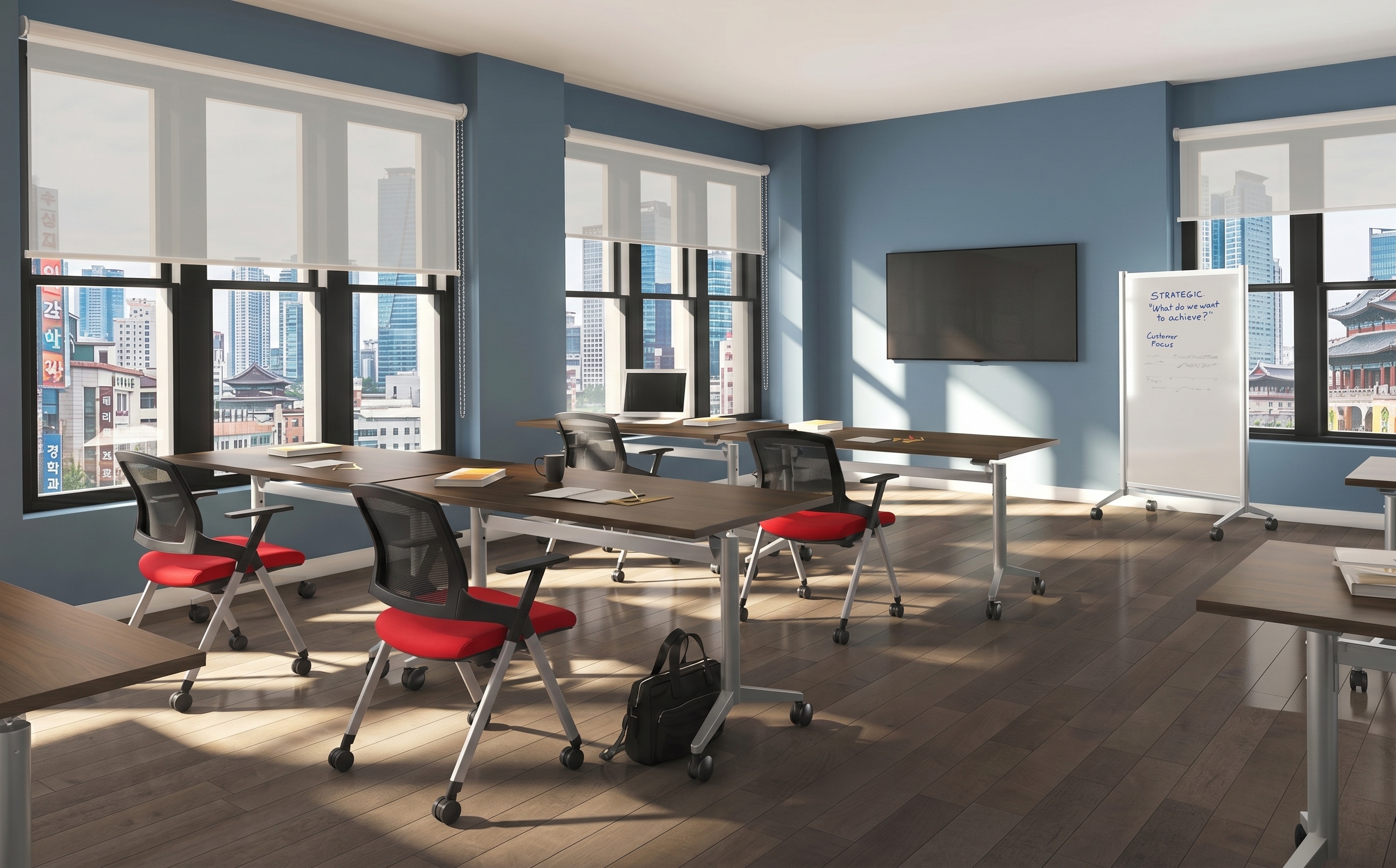
The Flex 02 training chair is suitable for workshops, brainstorming sessions, group classes, or training rooms that combine with separate tables. The product features a backrest made of a plastic frame with breathable mesh, high-elasticity cushion upholstered in fabric or vinyl (optional), fixed armrests, and an electrostatic painted steel leg with 4 plastic wheels.
Flex 02 is a suitable choice for spaces requiring mobility while still ensuring comfortable seating. The plastic wheels allow smooth movement, limit floor scratches, and reduce noise. Additionally, the product offers color options for the backrest and seat cushion according to the catalog, helping to match the classroom design or brand identity.
See product: Flex 02
Folding chair with wheels
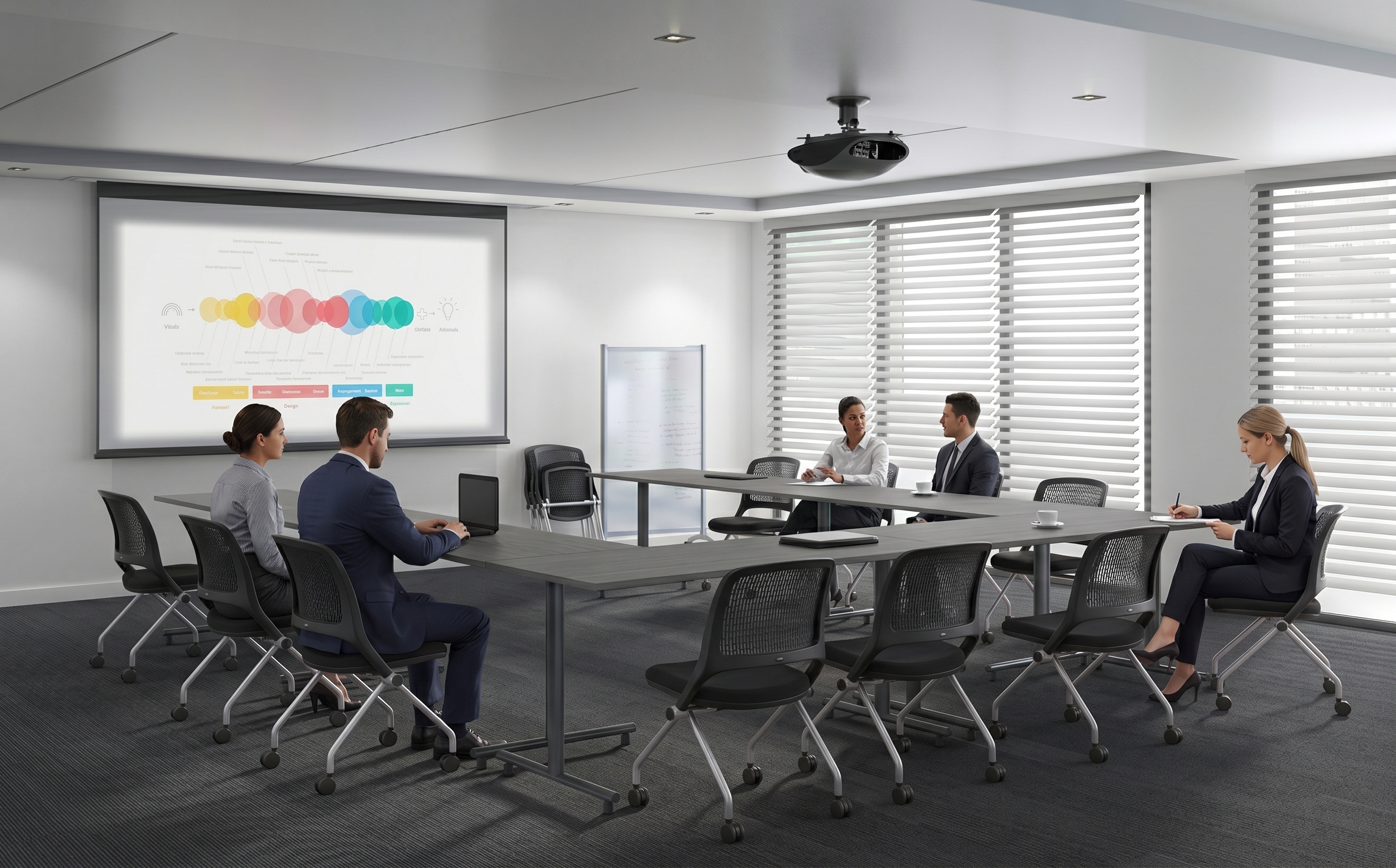
The Dannis D 04 school chair is suitable for flexible classrooms, training rooms, group study areas, or multi-purpose spaces needing space optimization. The product has an armless design, making it easy for users to get in and out, while creating ventilation when arranging a large number in the same classroom.
Dannis D 04 uses a sturdy electrostatic painted steel frame, 50mm diameter wheels suitable for hard floor surfaces, a plastic frame backrest combined with breathable plastic mesh, and a high-elasticity foam cushion upholstered in fabric or vinyl. This is a chair model suitable for training environments with frequent usage, requiring neatness, durability, and easy movement.
See product: Dannis D 04
Premium ergonomic chair
The ARC Community swivel school chair with writing tablet is a premium choice for modern classrooms, self-study rooms, creative training areas, or learning spaces requiring high flexibility. The product features 360-degree swivel design, integrated convenient writing tablet, under-seat storage compartment, and wheels for flexible movement.
This chair model uses high-quality plastic mixed with fiberglass, a flame-retardant, antibacterial, easy-to-clean, and recyclable surface. The gentle curved design following the sitting posture supports proper usage posture, while the writing tablet and storage compartment give learners a neater personal space during long classes, seminars, or training sessions.
See product: ARC Community
Criteria for choosing training chairs with wheels
Material and durability
When choosing training chairs with wheels, material is the first factor to consider. Chairs used in training rooms often serve many people, withstand high movement frequency, and are prone to collisions during space rearrangement. Therefore, prioritize products with a sturdy frame, electrostatic painted steel legs, high-quality plastic, good elastic cushion, and easy-to-clean surfaces.
For school or training center environments, chairs need to ensure long-term stability. Materials like breathable mesh, upholstered fabric, or easy-to-clean vinyl will help increase product lifespan and keep the space clean and professional.
Wheel design
The wheels directly affect the chair's mobility. A good training chair with wheels needs to move smoothly, not cause loud noise, and limit floor scratches. For classrooms with hard floors, wooden floors, vinyl floors, or thin carpets, choose suitable wheels to ensure durability for both the chair and the floor surface.
In some classroom models, wheels with locks are also a detail to consider. Wheel locks help fix the chair when needing focused study, taking tests, or participating in activities requiring high stability. If the training room frequently changes layouts, you can prioritize smooth-moving chairs; if the classroom needs stability during each training session, consider models with locking mechanisms or good floor grip.
Ergonomics
Ergonomics directly affects learner comfort. A suitable training chair with wheels needs a supportive backrest, reasonable back curvature, well-fitted seat, and height suitable for the user. If the chair has a writing tablet, the distance between the table surface and the sitter should also be designed reasonably to avoid constraint when taking notes.
For long training sessions, prioritize chairs with elastic cushions, breathable mesh backs, or backs curved to follow sitting posture. These factors help limit back pain, heat buildup, and discomfort when learners must sit for extended periods.
Flexibility and storage
Modern training spaces need easily rearrangeable furniture. Therefore, besides wheels, customers should also consider the chair's form, armrests, foldable writing tablet, and ability to be grouped when not in use. Armless chair models are often suitable for crowded classrooms, while chairs with foldable writing tablets suit training rooms needing space optimization.
If the classroom has multi-functional usage needs, choose chairs that are easy to move, easy to arrange in rows, groups, or U-shape models. This helps increase operational efficiency and reduce preparation time before each training session.
Aesthetics and brand identity
Besides functionality, aesthetics is also an important criterion. A professional training room needs harmony between chairs, tables, floor, walls, lighting, and presentation equipment. Training chair models with wheels that have modern colors, compact design, and catalog options will make the space more harmonious.
Businesses can choose chair colors according to their brand identity. Schools or training centers can choose youthful, dynamic colors to inspire learning. Color coordination also helps divide functional areas and increase aesthetics for the entire project.
Practical applications of training chairs with wheels
Training chairs with wheels are not only suitable for a single fixed type of classroom but are also widely applied in many different training models. The strength of this chair line lies in its flexible mobility, supporting quick layout changes, helping spaces easily adapt to each learning activity, teamwork, seminar, or internal training.
For educational institutions and businesses, using training chairs with wheels helps the classroom not be limited to a single layout. The same space can change from a theoretical classroom to group discussion, workshop, skills class, or idea presentation area in a short time. This is an important factor for modern training models, where interaction and learner experience are prioritized.
Training centers, skills classes
Training centers often organize many different types of classes such as foreign languages, informatics, soft skills, exam preparation, vocational training, or short-term specialized classes. Each class has its own requirements regarding the number of students, seating arrangement, and level of interaction. Therefore, training chairs with wheels are a suitable choice for centers to easily adjust the space according to each training program.
For theoretical classes, chairs can be arranged in horizontal rows for students to focus on lectures. When switching to discussion activities, situational practice, or teamwork, students can quickly move chairs to form small clusters. This conversion helps instructors organize classes more flexibly, without losing much time on arranging furniture.
For soft skills, communication, presentation, or creative thinking training classes, the learning space needs to encourage interaction. Fixed chairs can limit learners to their seated positions, while training chairs with wheels help students easily turn, exchange ideas, form groups, and participate actively in classroom activities.
Another advantage is the ability to utilize classroom space effectively. On the same day, a center can use one room for individual classes, small group classes, workshops, or presentations. Thanks to easily movable chairs, operations staff do not need to spend much effort lifting and carrying, while also limiting floor scratches when changing layouts continuously.

Businesses, internal training rooms
In the corporate environment, training rooms are often used for many purposes such as onboarding new employees, product training, process guidance, sales skills training, customer service training, internal workshops, or specialized team meetings. These activities require the space to be flexible, professional, and easily changeable according to each training content.
Training chairs with wheels help businesses optimize the efficiency of using training rooms. When organizing knowledge introduction sessions or process training, chairs can be arranged in a traditional classroom style. When switching to discussion activities, situation solving, or teamwork, participants can self-adjust their seating positions without needing staff to support setting up the entire room again.
For onboarding sessions, wheeled chairs help new employees easily interact with instructors, managers, and colleagues. The training space thus feels less rigid, creates closeness, and encourages two-way exchange. For workshops, brainstorming sessions, or group training, flexible mobility helps groups form quickly, split, or turn presentation directions when needed.
Training chair models with wheels that integrate writing tablets are also suitable for training sessions requiring note-taking, short tests, or using personal documents. Learners can place notebooks, documents, tablets, or small laptops without needing separate tables. This makes the training room neater, saves space, and creates a professional image for the business when organizing internal training programs or hosting partners.
Schools, modern classroom models
In the education sector, many schools, international schools, universities, and colleges are transitioning from traditional classroom models to more flexible learning spaces. Students not only sit and listen to lectures but also participate in group discussions, projects, presentations, critiques, and situational learning. This change requires the desk and chair system to support various teaching methods well.
Training chairs with wheels are suitable for modern classrooms because they help teachers easily reorganize space for each activity. In one lesson, a teacher can start with a lecture segment, then divide into discussion groups, continue to presenting results, and end with general feedback. If using fixed chairs, this conversion often takes a lot of time. With wheeled chairs, students can move their chairs themselves to participate in activities without interrupting the class rhythm.
This chair line is also suitable for spaces such as project classrooms, STEM rooms, language rooms, self-study areas, open libraries, or functional rooms. These places often need to change layout according to each class session. Wheeled chairs help the space always be ready for various forms of learning, from individual to group, from listening to lectures to practicing.
For universities, colleges, or international schools with a large number of classrooms, training chairs with wheels also help optimize operations management. Personnel managing classrooms can quickly adjust layouts for each subject, each instructor, or each class size. When combined with chair models featuring writing tablets, schools can reduce the need for separate tables, making classrooms more airy and easier to manage.
Co-working spaces, workshops
Co-working spaces, workshop rooms, and creative areas are often designed to serve many different activities throughout the day. One area can be used for a specialized sharing session, team meeting, skill training, idea presentation, networking, or independent work. Therefore, furniture in these spaces needs high mobility.
Training chairs with wheels help co-working spaces and workshop areas easily change layouts according to each event type. For presentations, chairs can be arranged theater-style. For brainstorming sessions, chairs can be grouped into small clusters. For networking or open exchange activities, chairs can be arranged dispersedly to create a more comfortable space.
In creative workshops, participants often need to move between multiple areas: the instruction listening area, teamwork area, presentation area, and feedback area. Wheeled chairs make movement natural, without causing heaviness or interrupting activities. This contributes to creating a dynamic, open working environment suitable for a creative spirit.
For co-working operators or small event organizers, choosing training chairs with wheels also helps optimize investment costs. Instead of having to equip many types of chairs for different purposes, one flexible chair line can meet multiple usage scenarios. This is a suitable solution for spaces requiring high capacity utilization while still maintaining aesthetics and professionalism.
Suggestions for classroom layout with training chairs with wheels
One of the greatest advantages of training chairs with wheels is their ability to support quick classroom layout changes. Instead of having to lift heavy furniture or fix the space into a single type, instructors and operations personnel can easily adjust the classroom layout according to each training activity.
Depending on the session's objectives, number of students, room area, and teaching method, training chairs with wheels can be arranged in various layouts such as traditional classroom, small groups, U-shape, seminar, or multi-purpose space. A suitable layout will help increase interaction, optimize space, and enhance the learning experience.
Traditional layout
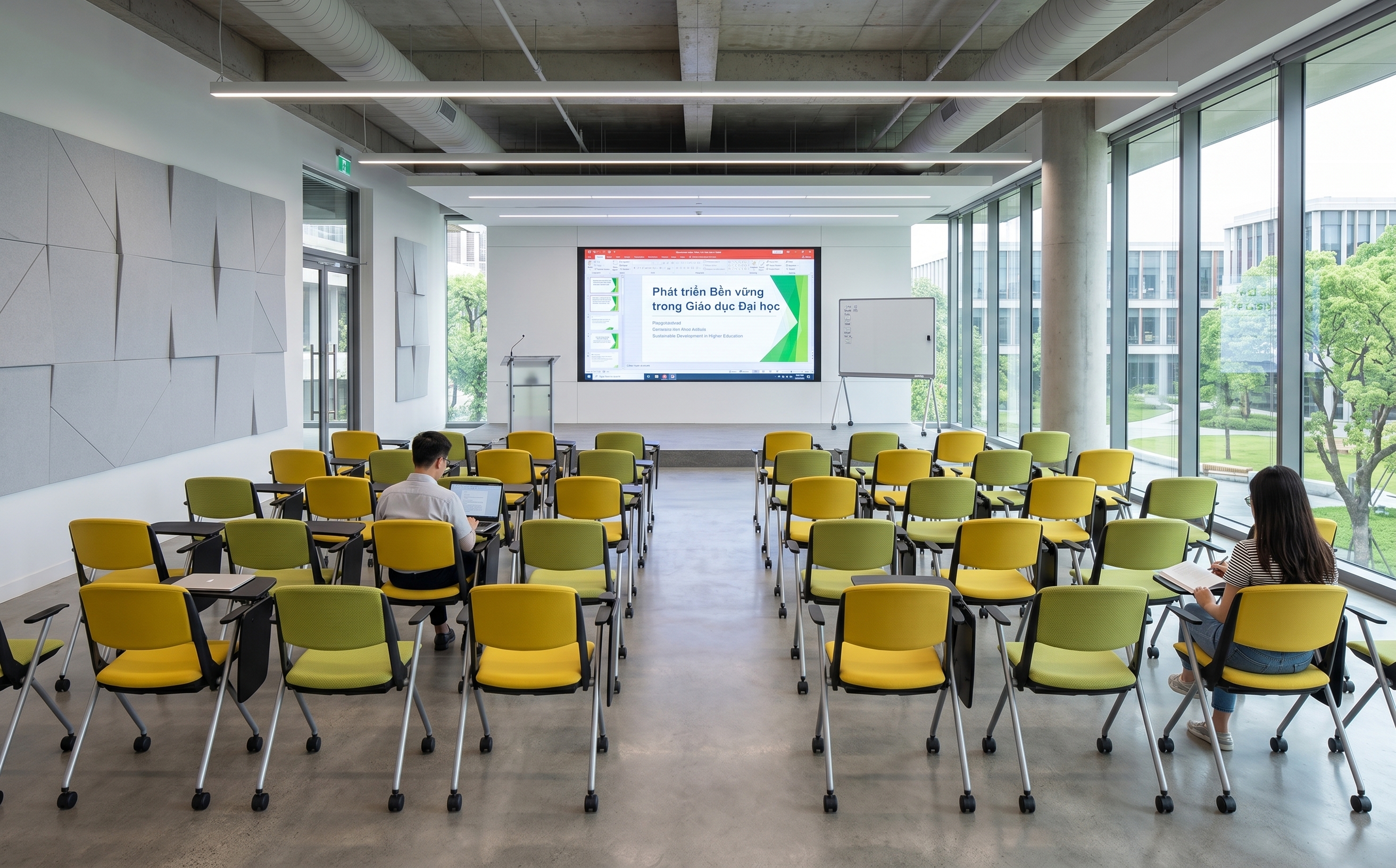
The traditional layout is a familiar arrangement where chairs are set in horizontal rows facing the instructor, whiteboard, projection screen, or small stage. This model is suitable for theoretical lectures, process training, policy dissemination, specialized presentations, or programs requiring clear one-way information transmission.
When using training chairs with wheels, the traditional layout still maintains neatness and professionalism but is much more flexible than with fixed chairs. After the theoretical lecture part, the instructor can ask students to turn chairs, move chairs, or quickly form groups to switch to exchange, Q&A, or situational discussion activities. This conversion happens smoothly, does not cause loud noise, and does not require much time to rearrange the classroom.
For models with foldable writing tablets, the traditional layout is also suitable for sessions needing note-taking, short tests, using documents, or personal laptops. Each student has their own workspace without needing separate tables, keeping the classroom tidy and optimizing space.
Group layout
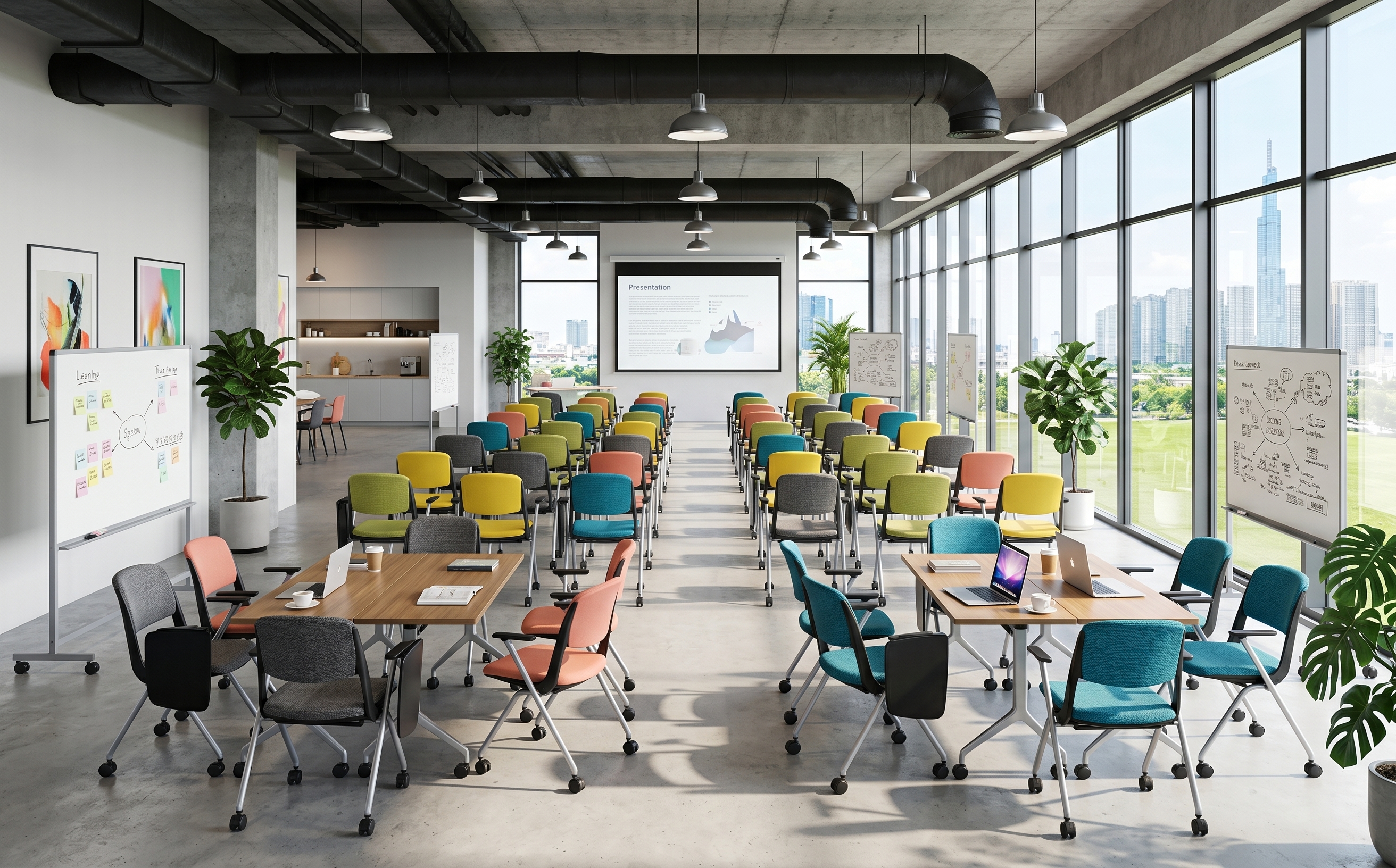
The group layout is suitable for workshops, brainstorming, soft skills training, project-based learning, or classes needing increased interaction among students. Instead of arranging chairs in rows, training chairs with wheels are divided into small clusters of 4-6 people or more depending on room area and activity objectives.
This arrangement helps students easily exchange ideas, share thoughts, handle situations, and coordinate during learning. For skills classes, language classes, management classes, sales training, or customer service training, the group layout creates conditions for learners to practice more instead of just sitting and listening to lectures.
If using chairs with foldable writing tablets, each student still has personal space to take notes, place documents, or use a tablet. If using chairs without tablets, the classroom can combine additional separate tables in the middle of the group for common activities. Chair models with wheels, compact armrests, and flexible forms will help grouping, splitting, or turning seating directions happen faster.
The group layout is especially suitable for the active learning model, where learners play an active role in the knowledge acquisition process. Thanks to easy mobility, training chairs with wheels make the classroom more open, dynamic, and connected.
U-shape / seminar layout
The U-shape layout is often used in management training sessions, specialized meetings, seminars, discussion classes, leadership skills classes, or programs requiring direct interaction between instructor and students. In this arrangement, chairs are set in a U-shape, leaving an open space in the middle of the classroom and facing everyone towards the central discussion area.
The advantage of the U-shape layout is that it helps participants easily observe each other, increases two-way exchange, and creates a closer feeling compared to the traditional classroom model. The instructor can move into the central area to ask questions, guide activities, or facilitate discussions. Students also find it easy to respond, present opinions, and follow the sharing of other members.
With training chairs with wheels, creating a U-shape layout becomes simpler, especially in small and medium-sized classrooms. Users can quickly pull chairs into the correct positions without lifting. If after the discussion part they need to switch to group activities, chairs can continue to be moved into small clusters in a short time.
For seminar rooms or corporate training rooms, the U-shape layout combined with chairs featuring foldable writing tablets is a very suitable choice. Participants can both take notes and easily interact with the speaker and other members. This is an arrangement that helps the training space maintain professionalism but without being too rigid.
Flexible multi-purpose layout
The flexible multi-purpose layout is suitable for modern training rooms, skill centers, international schools, project classrooms, co-working spaces, or businesses that frequently organize many different activities within the same area. With this arrangement type, chairs are not fixed to a single model but can be arranged into multiple clusters, multiple directions, or leave open space for practical activities.
During a session, the space can start with a traditional layout for the instructor to introduce content. Then, chairs are moved into small groups for students to discuss. At the end of the session, chairs can turn towards the presentation area for groups to report results. The entire conversion process happens quickly thanks to the flexible wheel design.
Training chairs with wheels are a suitable choice for the multi-purpose layout because the product supports many usage situations: individual study, group study, presentations, workshops, critique, practice, or specialized activities. Models with compact armrests, foldable writing tablets, breathable backs, and smooth-rolling wheels will help the classroom operate more efficiently.
For spaces with limited area, the flexible multi-purpose layout also helps optimize functional use. One classroom can serve many different purposes throughout the day without needing to invest in many separate desk and chair sets. This is a suitable solution for units wanting to build a modern training environment, save space, and easily adapt to continuously changing needs.
Conclusion
Training chairs with wheels are a furniture solution suitable for the trend of flexible, modern, and multi-functional classrooms. The product allows quick layout changes, saves operational time, optimizes space, and enhances the learning experience for users.
For schools, training centers, businesses, and workshop spaces, investing in flexible training chairs not only makes the classroom tidier but also supports modern training methods, increases interaction, and improves space usage efficiency.
Customers needing to set up classrooms, training rooms, or professional training spaces can contact RPB Education & Public for the latest catalog, appropriate layout advice, and preferential project pricing.
Related News
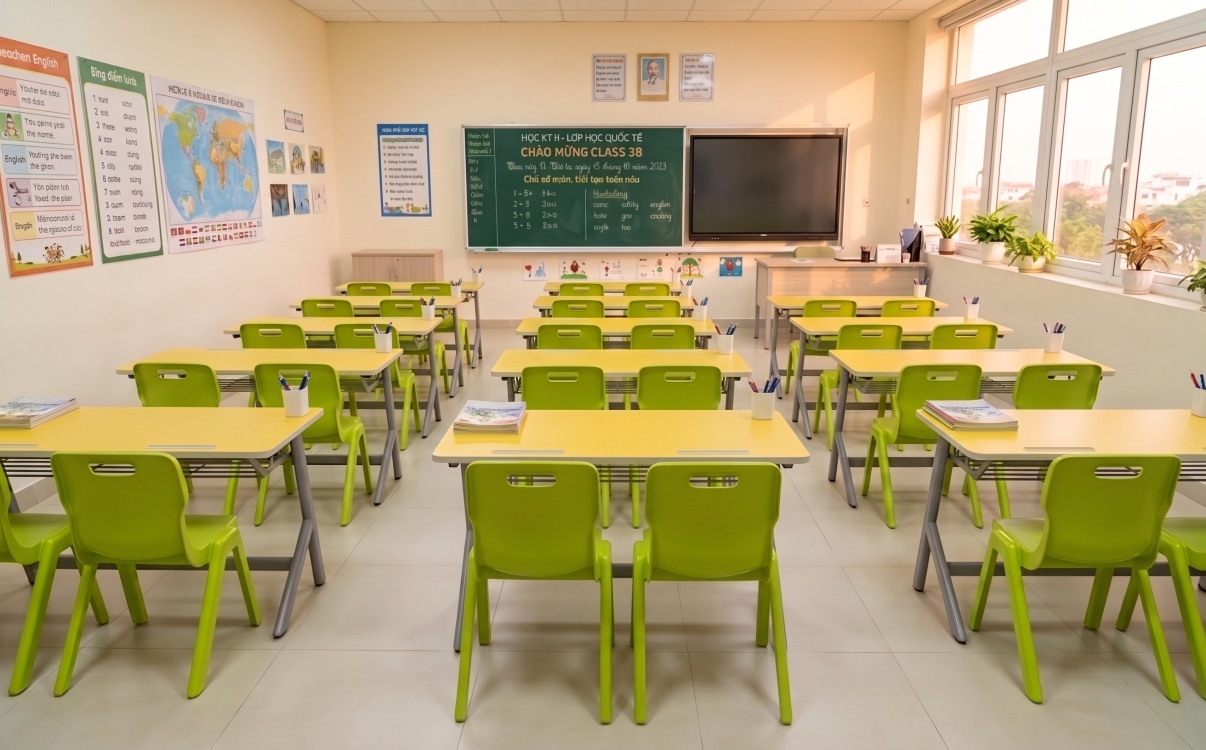
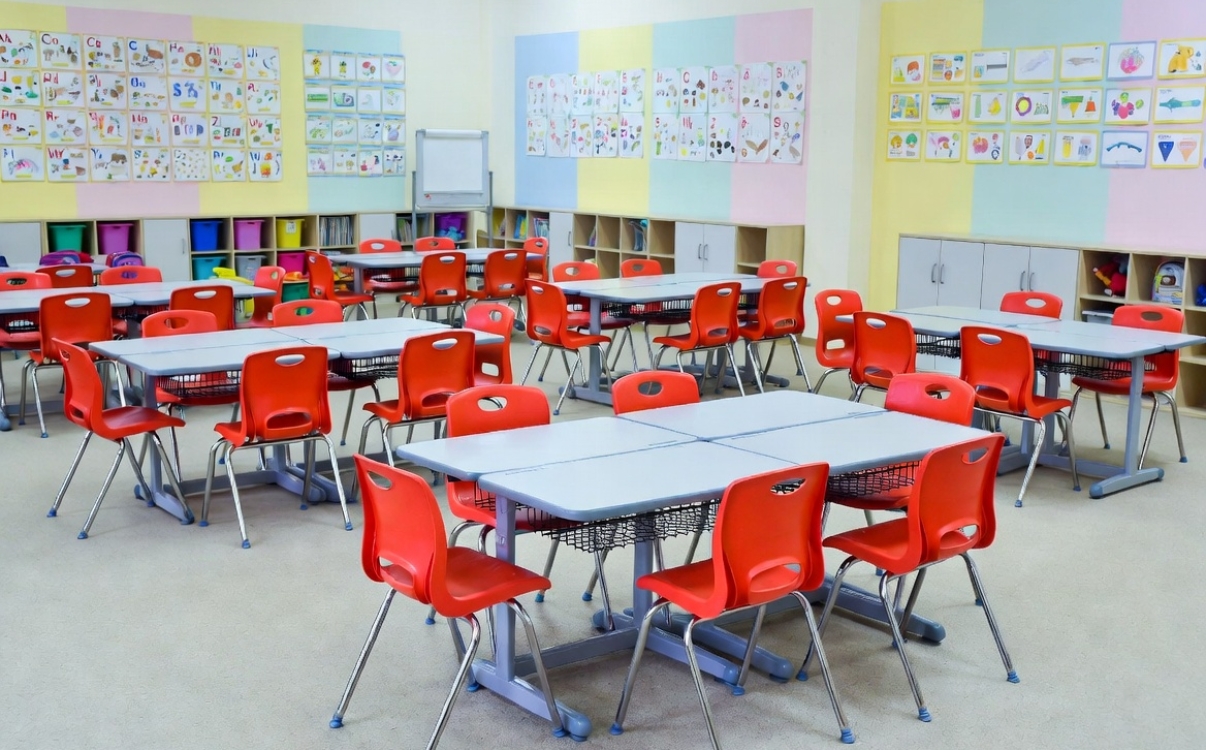
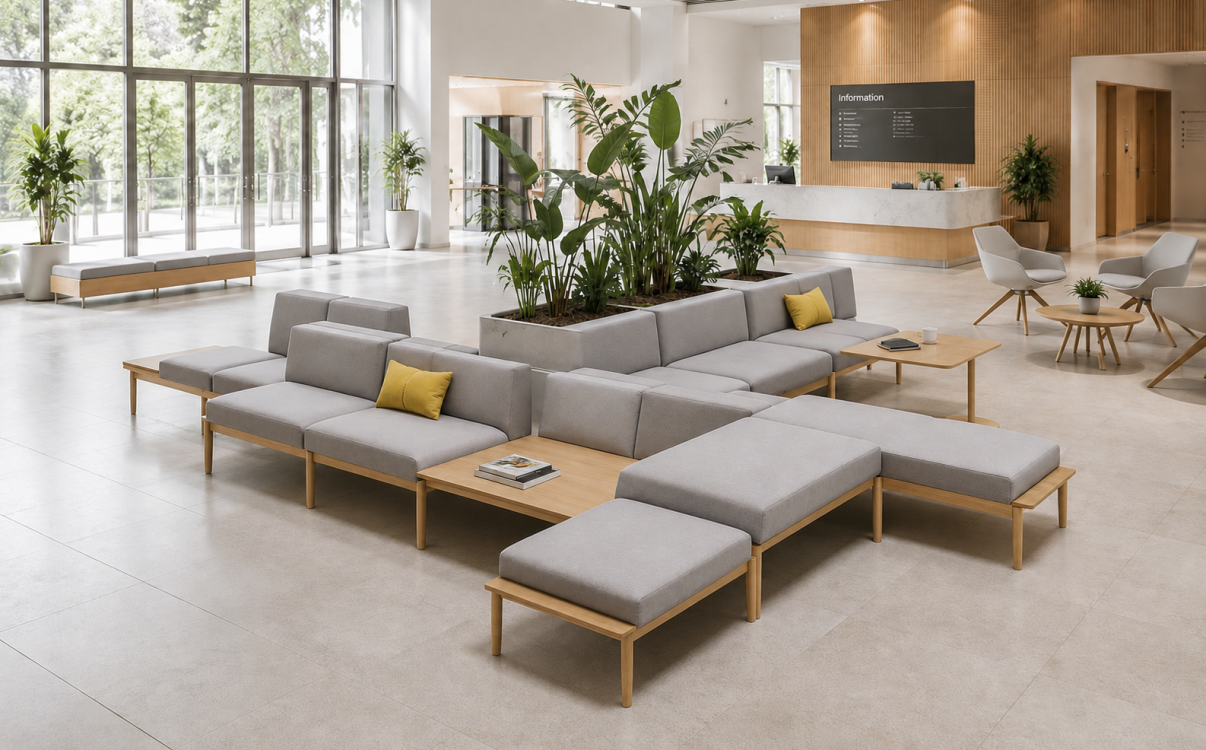
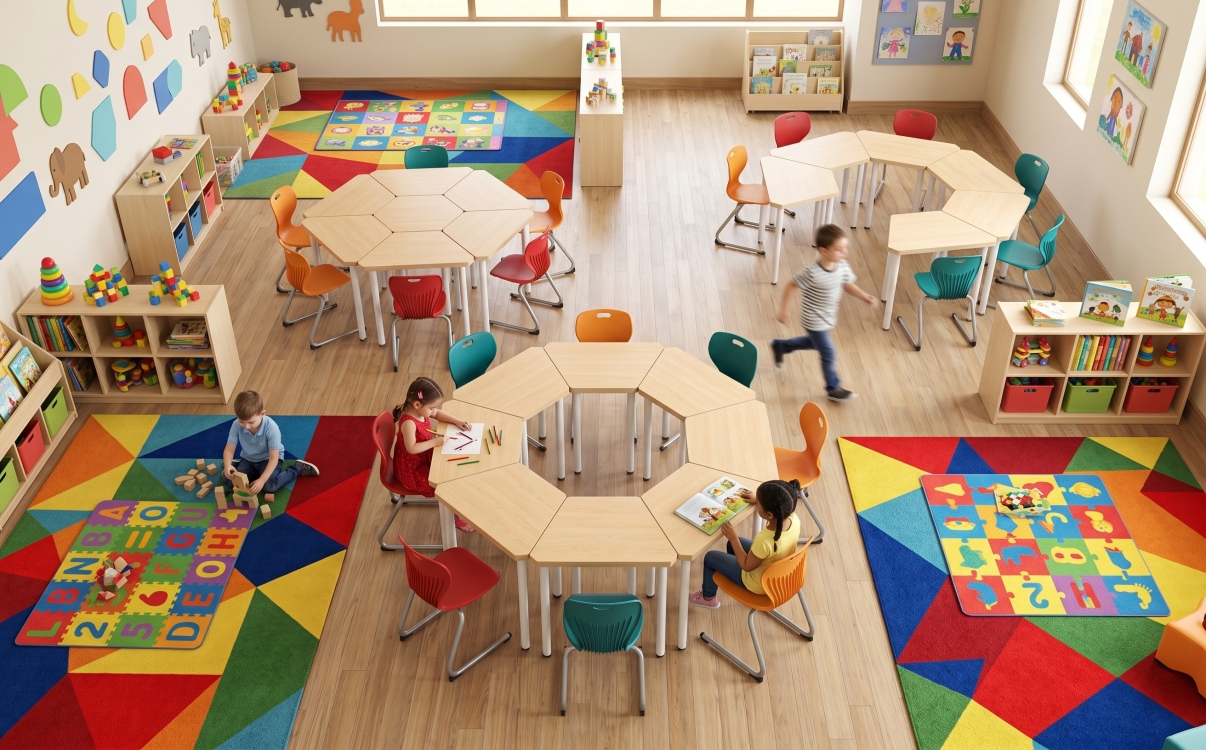


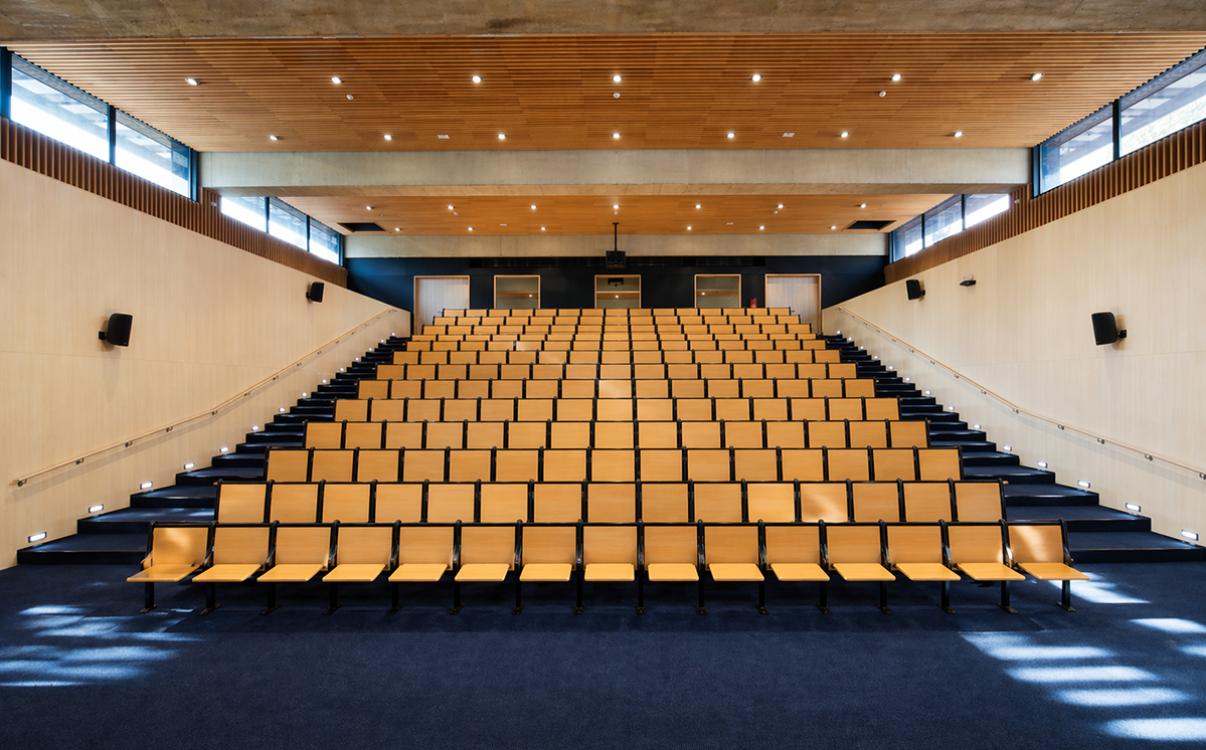

Bench Desk - Optimizing Lecture Hall and Classroom Space
Explore bench desks for lecture halls, classrooms, and training centers. Learn about their structure, advantages, how to choose, and outstanding models at RPB Education & Public right below.

Kích thước ghế băng chờ inox, nhựa, nệm: Bảng thông số chi tiết nhất
Cập nhật bảng kích thước ghế băng chờ inox, nhựa, nệm theo 2–5 chỗ ngồi; kèm cách bố trí lối đi, chọn thông số phù hợp từng không gian như bệnh viện, trường học, văn phòng, bến xe.

What is a Stool? Classification, Uses and Standard Sizes
Learn what a stool is, popular types of stools, practical uses, standard sizes, and how to choose the right stool for your home, school, restaurant, and office.

Office Relocation Announcement – Elevating Your Experience
To enhance service quality, expand our workspace, and provide a better experience for our customers, we are pleased to announce the relocation of our office to a new address.

Announcement of product price adjustment
RPB Education & Public sincerely thanks our valued customers for your continued trust and partnership over the past years.
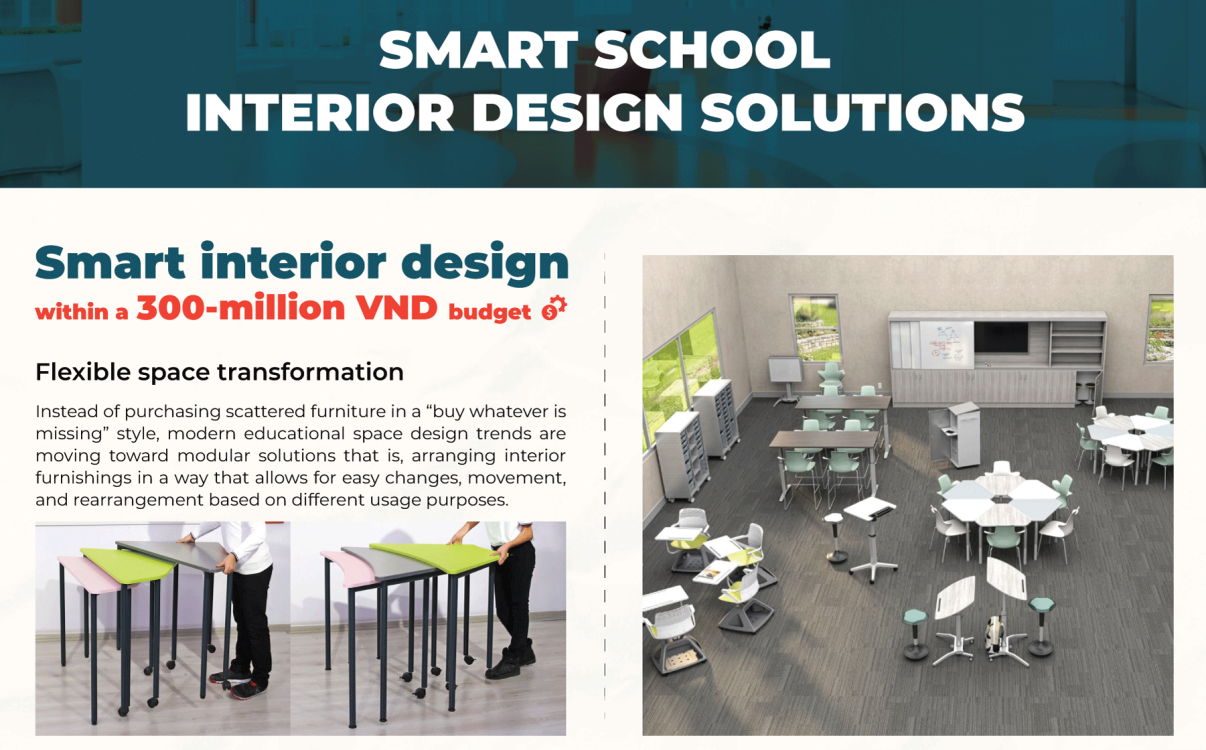
Smart Interior Design Solutions for Universities: Within a 300 Million VND Budget
Smart university interior design within a 300-million budget is not only a financial challenge but also a strategy to elevate the learning experience. With the right investment, it helps create modern, inspiring, and flexible spaces aligned with new teaching methods while optimizing long-term operating costs.

Environmental permit announcement
RPB Education & Public officially announces its environmental permit in accordance with current regulations, reaffirming the company's commitment to legal compliance, environmental protection, and sustainable development. This is an important step to ensure that all of RPB’s business and production activities are aligned with the goal of being environmentally friendly, safe for the community, and contributing to a greener future for the next generation.