


What is a Stool? Classification, Uses and Standard Sizes
Learn what a stool is, popular types of stools, practical uses, standard sizes, and how to choose the right stool for your home, school, restaurant, and office.
In modern life, the stool is one of the most familiar types of seating, appearing in almost every space: from homes, schools, and restaurants to offices and events. With its compact, convenient, and easily movable design, the stool has become a flexible seating solution chosen by many people.
So, what is a stool, what types are there, what are its uses, and what are the current standard sizes? The article below will help you understand more about the classification, uses, and standard sizes of stools to choose the one that suits your needs.
What is a Stool?
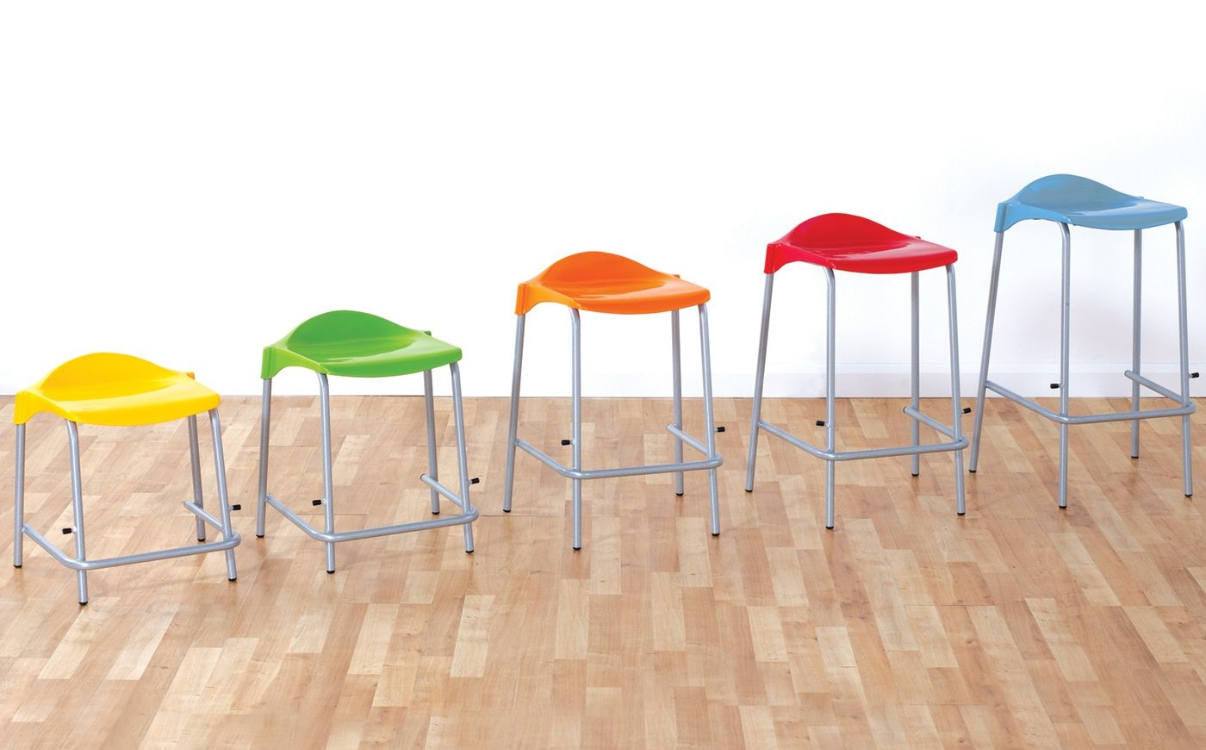
Definition of a Stool
A stool is a type of chair designed without a backrest, compact in size, and easy to move. Its structure is usually quite simple, consisting of a seat and legs, designed to serve temporary seating needs or as auxiliary seating in various spaces. Thanks to their flexibility and convenience, stools are commonly used in homes, restaurants, schools, offices, and many public areas.
Basic Structural Characteristics (No Backrest, Compact, Easy to Move)
A basic stool typically has a minimalist design while still ensuring usability. The most recognizable characteristic of this type of seat is the absence of a backrest, which saves space and makes it easy to move when needed. Additionally, stools are usually lightweight, compact, and can be stacked or arranged flexibly to optimize usable space.
Due to their simple construction, stools can be made from various materials such as plastic, wood, stainless steel, or upholstered foam with leather or fabric, meeting a wide range of needs from budget-friendly to high-end.
Comparison of Stools with Chairs and Benches
Compared to other types of seating on the market, stools have a more minimalist design but stand out due to their flexibility and space-saving ability. While chairs are designed with a backrest for comfortable sitting over long periods and are often used for work or study, stools are suitable for quick seating, auxiliary needs, or situations requiring flexible movement.
Furthermore, benches are typically long and serve multiple people at once, common in public spaces. In contrast, stools are smaller, easily arranged in various positions, and can be quickly reconfigured when needed. Thanks to these advantages, stools become a convenient choice for many different usage environments.
Classification by Material
Material is an important factor determining the durability, aesthetics, and price of a stool. Below are the most popular types of stools today.
Plastic Stool
-
-
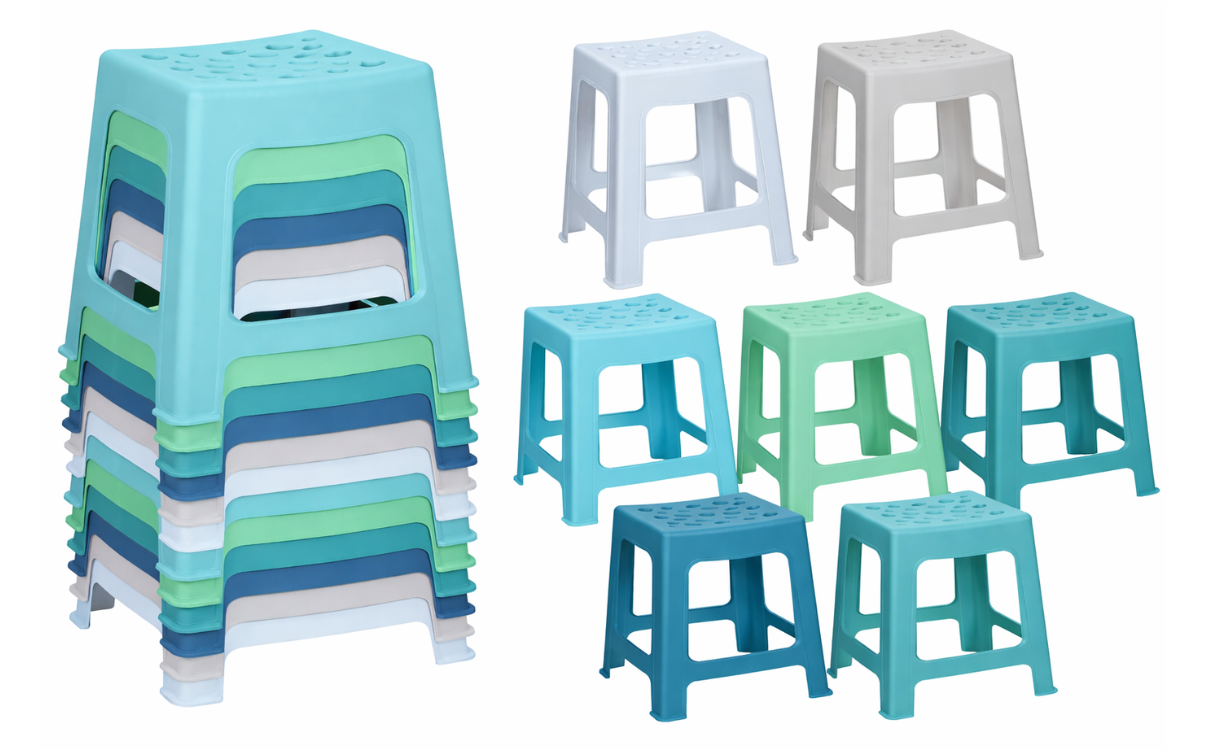
Plastic stools are the most widely used type on the market due to their reasonable price and high convenience. This type of stool is often made from PP or ABS plastic, making it lightweight, easy to move, and water-resistant.
-
Additionally, plastic stools have many advantages such as easy cleaning, a variety of colors, and low cost, making them suitable for many different needs. Therefore, this type of stool is often found in homes, nurseries, schools, restaurants, street-side eateries, or outdoor events. Thanks to their flexibility and relatively high durability, plastic stools are increasingly popular in daily life.
-
Wooden stool
-
-
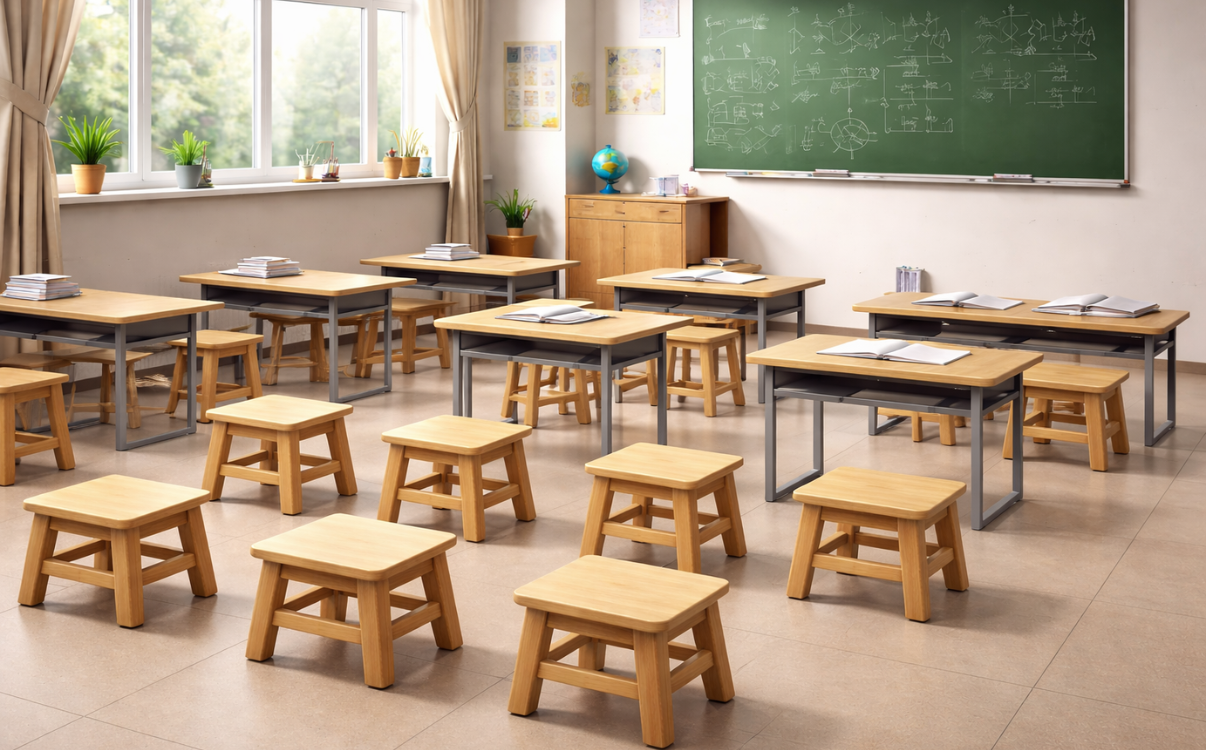
Wooden stools bring a natural and luxurious feel, suitable for interior spaces requiring high aesthetics. This type of stool is often made from natural wood or engineered wood, offering good durability and high load-bearing capacity.
-
Besides, wooden stools create a warm feeling and harmonize with many different interior styles. Therefore, they are often used in cafes, restaurants, living rooms, or interior spaces with classical and modern styles.
-
Upholstered Stool (Leather or Fabric)

-
-
Stools upholstered with leather or fabric are designed to provide comfort and enhance the aesthetics of a space. The seat part is usually covered with a soft cushion layer, making users feel more comfortable when sitting.
-
Moreover, this type of stool has a beautiful and luxurious design, so it is often used in living rooms, hotels, waiting rooms, or high-end interior spaces. This is a suitable choice if you want to combine functionality with decorative elements.
-
Classification by Design
Besides material, stools are also classified based on style and design to suit specific purposes.
Round Stool
Round stools are the most common type, featuring a round seat and simple legs. Thanks to their neat design, this type allows flexible sitting and is easy to arrange in many different spaces.
Square Stool
Square stools have a square seat, providing a feeling of sturdiness and stability when used. This design is often used in homes or restaurants where neat arrangement and easy organization are needed.
Low Stool
Low stools are those with a low height, often used in homes, nurseries, or budget-friendly eateries. This type is suitable for spaces needing flexible seating and space saving.
High Stool (Bar Stool)
High stools, also known as bar stools, are designed for bar counters or high tables. The height of this type usually ranges from 60 to 75 cm, allowing the sitter to have a proper posture when using a high table.
Stackable Stool
Some modern stool models are designed with stacking capability, helping to save storage space when not in use. This is a suitable solution for events, classrooms, seminars, or spaces that need to arrange many chairs within a limited area.
Uses of Stools in Daily Life
Thanks to their compact, flexible, and easily movable design, stools are widely used in various spaces of daily life. From homes, schools to restaurants or offices, this type of seat can meet temporary or supplementary seating needs. The convenience, ease of arrangement, and space-saving ability are the reasons why stools become a popular choice in many usage environments.
Stools in the Home
In the home space, stools are often used as a flexible seating solution. This type can be used for sitting at the dining table, as extra seating when guests arrive, or placed in the kitchen area for daily activities. Additionally, many families use stools on balconies or relaxation areas, creating extra seating without taking up much space.
Thanks to their compact size and easy mobility, stools are especially suitable for apartments with limited space or those needing to optimize usable area.
Stools in Schools and Nurseries
In the educational environment, especially kindergartens and nurseries, plastic stools are very commonly used. This type of stool is lightweight, so children can easily move or arrange them. Besides, plastic stools are often designed with rounded safety edges, vibrant colors, and easy-to-clean surfaces, ensuring convenience and safety during use.
Due to these characteristics, stools become a suitable choice for learning, playing, and daily activities in educational environments for young children.
Stools in Restaurants and Cafes
Many restaurants and cafes choose stools for their space-saving ability and ease of arrangement. With a simple design, stools can be flexibly arranged around tables, increasing the number of seats while maintaining a neat space.
Especially, plastic and stainless steel stools are commonly used in budget-friendly eateries, street-side stalls, or areas serving many customers. These types have advantages such as durability, easy cleaning, and suitability for high-frequency use environments.
Stools in Offices and Events
In office environments, seminars, or events, stools are often used as an additional seating solution. They can serve as auxiliary chairs, waiting chairs, or seats for workshops, training sessions, and group activities.
Thanks to their flexible design and easy mobility, stools help optimize space and quickly rearrange the usage area when needed. This is also why many businesses choose stools for multi-functional spaces or areas requiring frequent layout changes.
Standard Stool Sizes Today
Size is one of the important factors when choosing a stool, as it directly affects sitting comfort and suitability with the table or surrounding space. Currently on the market, stools are designed with various sizes to meet diverse purposes. Typically, stool sizes are divided into main categories such as low stools, medium stools, high stools (bar stools), and standard plastic stools.
Low Stool Size
Low stools usually have a height ranging from 25-35 cm. The seat part typically has a diameter or width of about 25-30 cm, enough to create a comfortable feeling while sitting but still ensuring a compact design.
This type of stool is often used in budget-friendly eateries, street-side stalls, nurseries, or family living spaces. Thanks to their low height and light weight, low stools allow users to easily move, arrange, and store them away when not in use.
Medium Stool Size
Medium stools have a common height of 40-45 cm, equivalent to the height of many regular dining or work chairs. With this size, stools can be used flexibly with dining tables, study desks, or work desks while ensuring a comfortable sitting posture.
This type is quite commonly used in homes, offices, or cafes, where neat seating is needed without compromising convenience.
High Stool Size (Bar Stool)
High stools, or bar stools, are designed specifically for bar counters or high tables. The height of this type usually ranges from 60-75 cm, allowing the sitter to have a suitable position when using a high table.
Bar stools often appear in bar counters, cafes, restaurants, or kitchen island areas in modern homes. The tall and compact design makes the space more modern and convenient.
Standard Plastic Stool Size
For plastic stools, sizes are often designed according to common standards to suit many purposes. Typically, the height of a plastic stool ranges from 30-45 cm, while the diameter or width of the seat is about 25-30 cm.
Additionally, good quality plastic stools usually have a load-bearing capacity of 80-120 kg, ensuring durability and safety during use. These parameters help the stool meet usage needs in various environments such as homes, schools, restaurants, or events.
Advantages and Disadvantages of Stools
Like many other types of furniture, stools have both certain advantages and limitations. However, thanks to their simple design and high flexibility, this type of seat is still widely used in various spaces such as homes, restaurants, schools, or offices. Understanding the pros and cons of stools will help users choose a product suitable for their needs.

Advantages of Stools
-
-
-
Compact design, saves space: Stools have a simple shape, do not take up much space, making them ideal for areas with limited area. This is an ideal choice for homes, classrooms, restaurants, or spaces needing to arrange many seats.
-
Flexible in arrangement and movement: Thanks to their light weight and compact structure, stools can be easily moved to different positions when needed. Users also find it more convenient to rearrange space or add temporary seating.
-
Suitable for many types of spaces: Stools can be used in various environments such as dining rooms, living rooms, cafes, schools, offices, or waiting areas. The diversity in design, color, and material helps the product easily coordinate with many interior styles.
-
Reasonable investment cost: Compared to many other types of chairs, stools often have a more affordable price, suitable for different user groups and budgets. This is an economical solution for places needing to equip a large number of seats.
-
Can be stacked, optimizing storage: Many stool models are designed to be stackable when not in use. This helps save storage space, keeps the area tidy, and makes management and maintenance more convenient.
-
Easy to clean and maintain: The surface of stools is usually simple, with few details, so cleaning is quick. With materials like wood, plastic, or metal, users also find it easy to maintain and preserve their newness over time.
-
High durability and long-lasting use: If made from good materials and used correctly, stools can meet usage needs for a long time. The sturdy structure allows the stool to bear weight well, suitable for both personal use and public environments.
-
Convenient for flexible usage needs: Stools are not only for sitting but in some cases can also be used as a temporary place to put things or support daily activities. This versatility makes stools more practical and useful in many situations.
-
-
Disadvantages of Stools
Besides the advantages, stools also have certain limitations. Due to the design without a backrest, this type of seat is often not comfortable for sitting for long periods.
Additionally, some low-cost stools may be less durable or have low load-bearing capacity if made from low-quality materials. Therefore, when choosing a stool, users should consider the material, sturdiness, and intended use to ensure durability and safety during use.
How to Choose a Stool Suitable for Your Needs
To choose a suitable stool, users need to consider many factors such as the purpose of use, stool height, material, and product safety. Choosing the right type not only brings comfort during use but also ensures long-term durability and suitability for the layout space.
Determine the Correct Purpose of Use
Before choosing to buy a stool, you should clearly determine the purpose and environment where it will be placed. For example, in a home, stools are often used as auxiliary seats or dining chairs. Meanwhile, restaurants or cafes often prioritize durable, easy-to-clean stools that can withstand high frequency use.
For offices or events, stools are often used as auxiliary seating or for workshops and training activities. In school or nursery environments, stools need to be lightweight, safe, and easy to move to suit children. Therefore, each environment will be suitable for a different type of stool.
Choose Stool Height Suitable for the Table Used
The height of the stool needs to be compatible with the height of the table used to ensure a comfortable sitting posture. If the stool is too low or too high compared to the table, the sitter may feel uncomfortable when using it for long periods.
Typically, stools with a height of about 40-45 cm will be suitable for standard dining or work tables. Meanwhile, low stools or bar stools will be used for specific purposes.
Choose Material Based on Usage Environment
The material of the stool directly affects its durability, aesthetics, and cost. Currently, stools are manufactured from various materials.
-
Plastic stools have the advantages of being lightweight, easy to clean, and inexpensive.
-
Wooden stools bring natural beauty and suit luxurious interior spaces.
-
Stainless steel stools stand out for their high durability, sturdiness, and good rust resistance.
-
Depending on your needs and space, you can choose the most suitable material.
Ensure Safety and Load-Bearing Standards
When choosing a stool, you should check the sturdiness of its structure as well as its load-bearing capacity. The stool needs a stable design, firm legs, and no wobbling during use.
Furthermore, choosing a stool with an appropriate load-bearing capacity will help ensure user safety and increase the product's lifespan.
Prioritize Stackability and Storage Optimization
For small spaces or places needing many chairs like restaurants, classrooms, or events, you should prioritize stools that can be stacked. This design helps save storage space and is more convenient when needing to move or rearrange the area.
Synchronize with Overall Space Design
Besides functionality, when choosing a stool you should also pay attention to its harmony with the overall design of the space. The color, style, and material of the stool should harmonize with other furniture like tables, cabinets, or the general decoration style.
For example, for spaces with a modern or minimalist style, plastic or metal stool models with simple designs will be suitable choices. Meanwhile, spaces with high aesthetic requirements like cafes or living rooms might prioritize wooden stools or upholstered stools to enhance the luxury and harmony of the overall interior.
Balance Budget and Investment Scale
Another important factor when choosing a stool is balancing the budget and investment scale. If using it for a home with a small quantity, you can prioritize models with beautiful designs and good materials to enhance aesthetics.
Conversely, for business models like restaurants, cafes, schools, or events, choosing stools requires consideration between cost, durability, and the quantity needed. Plastic or stainless steel stools are often popular choices due to their reasonable price, high durability, and easy replacement when needed.
Stool Prices on the Market Today
The price of stools on the market today is quite diverse, depending on many factors such as material, design, size, and brand. Thanks to the availability of different segments, users can easily choose products suitable for their needs and budget. From simple models for home use to high-end designs for cafes, restaurants, or offices, stools always have flexible prices to meet various purposes.
Reference Price Levels for Stools
Currently on the market, stools are divided into several price segments based on material and style. Plastic stools usually have a quite low price, ranging from 30,000 - 120,000 VND, suitable for homes, schools, or budget-friendly eateries.
Meanwhile, stainless steel stools cost around 120,000 - 300,000 VND, standing out for their high durability and good load-bearing capacity, so they are often used in restaurants or industrial kitchens. For wooden stools, the price usually ranges from 200,000 - 800,000 VND depending on the type of wood and design, bringing natural beauty and luxury to the space.
Additionally, stools upholstered with leather or fabric are often in a higher segment, priced around 300,000 - 1,000,000 VND or more, depending on the material and design. This type is often used in living rooms, hotels, or spaces requiring high aesthetic value.
Factors Affecting Price
The price of a stool can vary depending on many different factors. Firstly, the manufacturing material, because each type of material like plastic, wood, stainless steel, or upholstery has different production costs. Besides, the thickness of the material and load-bearing capacity also directly affect the durability and price of the product.
Additionally, the design of the stool is also an important factor. Models with special shapes, modern designs, or meticulous craftsmanship usually have higher prices. Finally, the manufacturing brand and finishing quality also contribute to determining the market price of the stool.
Suggested Segments for Different Needs
Currently on the market, stools are designed in various segments to meet diverse usage needs from classrooms, homes to public spaces like schools or offices. Based on actual stool models from the RPB Education & Public website, suggested product segments suitable for each purpose are as follows.
Stool Segment for Educational Spaces and Libraries
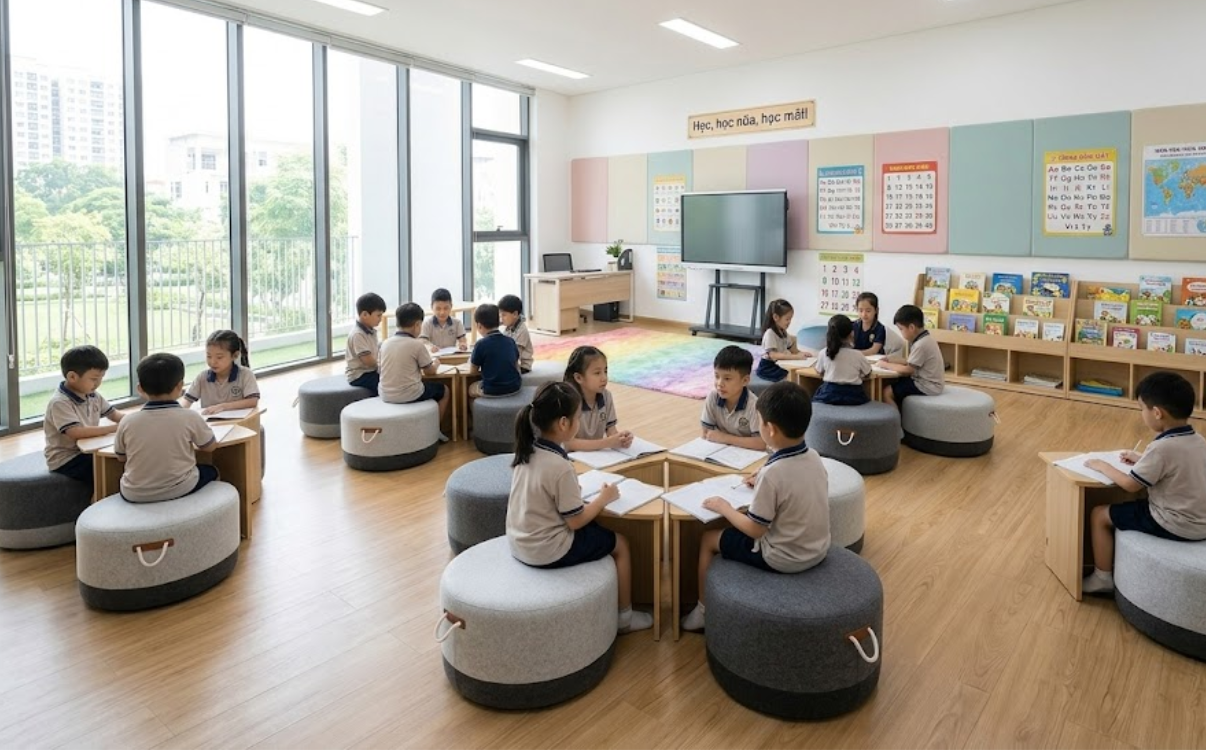
For areas like libraries, self-study rooms, or group study areas, stools need to ensure flexibility, easy movement, and sufficient comfort for sitting long periods. A typical example is the Ring 01 Stool, a model with a minimalist round design, incorporating a carry handle for quick movement between study areas.
This product uses a wooden frame combined with fabric or vinyl upholstery, providing a soft feel while ensuring durability in frequently used environments. Thanks to their compact and flexible design, this type of stool is very suitable for school libraries, reading rooms, or group study areas in educational centers.
This segment is often suitable for educational projects, training centers, or modern learning spaces needing to optimize area and easily change seating layouts.
View detail: Ghế đôRing 01n
Stool Segment for Waiting Halls and Offices
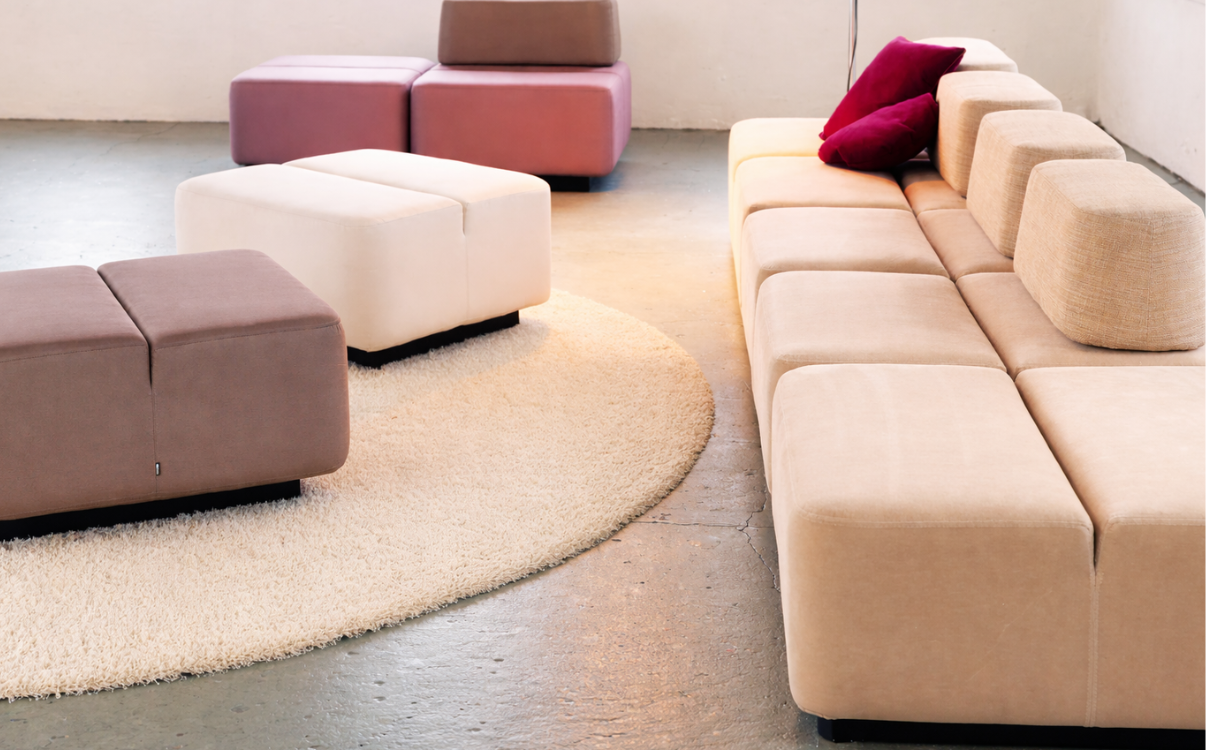
In waiting areas, lounges, or creative offices, stools are often designed with higher aesthetics to create an accent for the space. A typical example is the Movie Square Waiting Area Stool, a square upholstered stool line with prominent colors, suitable for quick reception areas or relaxation zones.
The product features a soft, square block design with a soft edge, upholstered in high-quality fabric or felt, and sturdy legs, providing a comfortable and safe sitting experience. The stool can be used independently or combined with sofas and coffee tables to create various flexible seating layouts in public spaces.
Stool models in this segment are often suitable for:
-
Office waiting halls
-
Hospitals, service centers
-
Quick reception areas
-
Lounge areas or coworking spaces
View detail: Movie Square lounge ottoman
Stool Segment for Public Spaces and Large Projects
For large-scale projects like schools, training centers, or public areas, stools often need to meet requirements for durability, load-bearing capacity, and long-term use. RPB' public furniture products are designed with good load-bearing materials, abrasion resistance, and easy maintenance to suit high-frequency use environments.
This segment is suitable for:
-
Waiting areas in schools and educational centers
-
Common activity areas for students
-
Relaxation or socializing spaces in public campuses
Products in this segment are often designed to be synchronized with the overall project furniture, ensuring aesthetics and operational efficiency for the entire space.
Conclusion
The stool is one of the product lines with a simple design but possessing high applicability in many different spaces. From homes, restaurants to offices or schools, stools are always a flexible, convenient seating solution that effectively optimizes area.
Choosing the right type of stool not only brings comfort during use but also contributes to enhancing the aesthetics, durability, and long-term usage efficiency of the space.
If you are looking for quality, durable, and beautiful stool models suitable for educational, public, or office environments, RPB Education & Public is a worthy reference. With diverse models, modern designs, and the ability to meet various needs, RPB Education & Public provides useful, optimal furniture solutions suitable for each specific space.
Contact RPB Education & Public for advice on choosing the right stool model, contributing to perfecting your learning, working, and living space in a more professional and convenient way.
Related News



Bench Desk - Optimizing Lecture Hall and Classroom Space
Explore bench desks for lecture halls, classrooms, and training centers. Learn about their structure, advantages, how to choose, and outstanding models at RPB Education & Public right below.

Kích thước ghế băng chờ inox, nhựa, nệm: Bảng thông số chi tiết nhất
Cập nhật bảng kích thước ghế băng chờ inox, nhựa, nệm theo 2–5 chỗ ngồi; kèm cách bố trí lối đi, chọn thông số phù hợp từng không gian như bệnh viện, trường học, văn phòng, bến xe.

Office Relocation Announcement – Elevating Your Experience
To enhance service quality, expand our workspace, and provide a better experience for our customers, we are pleased to announce the relocation of our office to a new address.

Announcement of product price adjustment
RPB Education & Public sincerely thanks our valued customers for your continued trust and partnership over the past years.
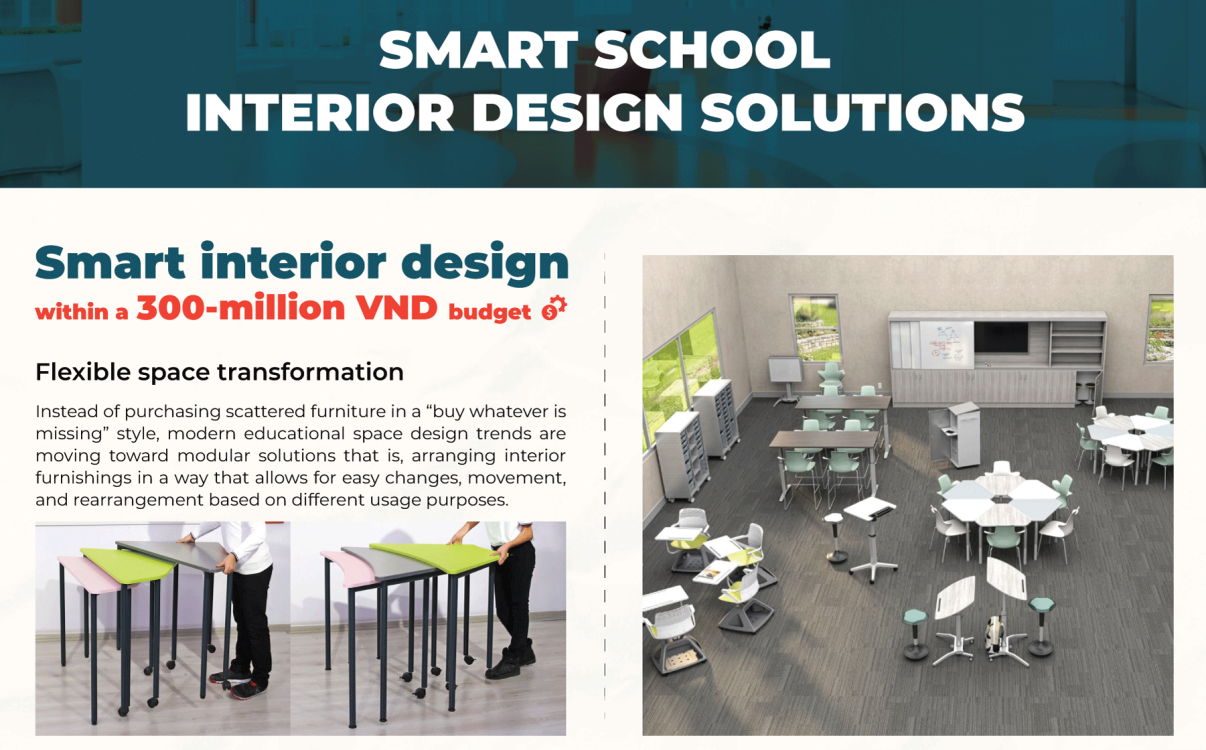
Smart Interior Design Solutions for Universities: Within a 300 Million VND Budget
Smart university interior design within a 300-million budget is not only a financial challenge but also a strategy to elevate the learning experience. With the right investment, it helps create modern, inspiring, and flexible spaces aligned with new teaching methods while optimizing long-term operating costs.

Environmental permit announcement
RPB Education & Public officially announces its environmental permit in accordance with current regulations, reaffirming the company's commitment to legal compliance, environmental protection, and sustainable development. This is an important step to ensure that all of RPB’s business and production activities are aligned with the goal of being environmentally friendly, safe for the community, and contributing to a greener future for the next generation.